Controlled Release of Bioactive Materials is a collection papers that deal with the study of controlled release applications in drugs and other pharmacological products and processes.
Molecular Pharmacology: The Model of Action of Biologically Active Compounds, Volume 1 discusses the mode of action of bioactive compounds on a molecular level.
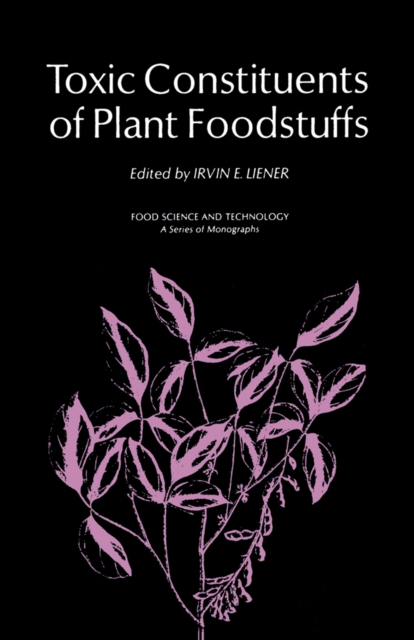
Toxic Constituents of Plant Foodstuffs focuses on toxic substances in foods of plant origin, including protease inhibitors, hemagglutinins, goitrogens, cyanogens, saponins, gossypol, lathyrogens, and allergens.
Microsomes, Drug Oxidations, and Chemical Carcinogenesis, Volume I, documents the proceedings of the 4th International Symposium on Microsomes and Drug Oxidations held in Ann Arbor, July 1979.
Serotonin and Behavior contains the proceedings of the 1972 symposium on the behavioral effects of changes in brain serotonin, held at Stanford University in California.
Fungicides, Volume I: Agricultural and Industrial Applications, Environmental Interactions discusses the application, use, and environmental interactions of fungicides.
The Cannabinoids: Chemical, Pharmacologic, and Therapeutic Aspects provides a comprehensive discussion of the various aspects of cannabis and its constituents.
Nutrition and Drug Interrelations examines and presents the different relations of nutrition, metabolism, and effects of drugs, including drugs' positive effects in the field of animal husbandry and human and veterinary medicine.
Enzymes as Targets for Drug Design is a collection of scientific discussions related to enzyme inhibitors that show the many facets of the drug discovery process from the basic sciences through clinical applications.
Interest in the functional roles of astrocytes in the nervous system has grown significantly as it is recognized that these cells not only have their own pharmacology but also release neuro- and vaso-active factors.
Handbook of Toxic Fungal Metabolites presents UV, IR, 1H NMR, 13C NMR, and mass spectra for identification of known mycotoxins or related metabolites by both chemists and researchers.
Handbook of Hazardous Materials is a one-volume compendium of hazardous materials that discusses the toxic effects of these materials on human health and the global environment.
Cutting-edge explorations and discussions of DMT experiences and plant sentience from leading luminaries in the field of psychedelic research Includes contributions from Rupert Sheldrake, Rick Strassman, Dennis McKenna, Graham Hancock, Jeremy Narby, Erik Davis, Peter Meyer, David Luke, and many others Explores DMT beings, plant sentience, interspecies communication, discarnate consciousness, dialoguing with the divine, the pineal gland, the Amazonian shamanic perspective on Invisible Entities, and the science behind hallucinations Encounters with apparently sentient beings are reported by half of all first time users of the naturally occurring psychedelic DMT, yet the question of DMT beings and plant sentience, interspecies communication, discarnate consciousness, and perhaps even dialoguing with the divine has never been systematically explored.
The most comprehensive guide to the botany, history, distribution, and cultivation of all known psychoactive plants*; Examines 414 psychoactive plants and related substances*; Explores how using psychoactive plants in a culturally sanctioned context can produce important insights into the nature of reality*; Contains 797 color photographs and 645 black-and-white illustrationsIn the traditions of every culture, plants have been highly valued for their nourishing, healing, and transformative properties.
Clinical or translational science is the field of study devoted to investigating human health and disease, interventions and outcomes for the purposes of developing new treatment approaches, devices, and modalities to improve health.
Translational Neuroimaging: Tools for CNS Drug Discovery, Development and Treatment combines the experience of academic, clinical and industrial neuroimagers in a unique collaborative approach to provide an integrated perspective of the use of small animal and human brain imaging in developing and validating translational models and biomarkers for the study and treatment of neuropsychiatric disorders.
Of the thousands of novel compounds that a drug discovery project team invents and that bind to the therapeutic target, typically only a fraction of these have sufficient ADME/Tox properties to become a drug product.
'A legend of the game' - Anthony Seibold 'He's a player that never lets his team down' - Billy Slater Darius Boyd broke into the Brisbane Broncos NRL team in 2006 straight out of high school and was part of the premiership-winning team in his debut season.
A revelatory tale of how the human brain develops, from conception to birth and beyondBy the time a baby is born, its brain is equipped with billions of intricately crafted neurons wired together through trillions of interconnections to form a compact and breathtakingly efficient supercomputer.
Often hailed as the 'queen of flowers', the rose has held a prominent place in the mythology of cultures both in the east and west for thousands of years.
'Indecently entertaining' A Daily Mail Book of the WeekAs any reader of murder mysteries can tell you, poison is one of the most enduring - and popular - weapons of choice for a scheming murderer.
Introduction to Biological and Small Molecule Drug Research and Development provides, for the first time, an introduction to the science behind successful pharmaceutical research and development programs.
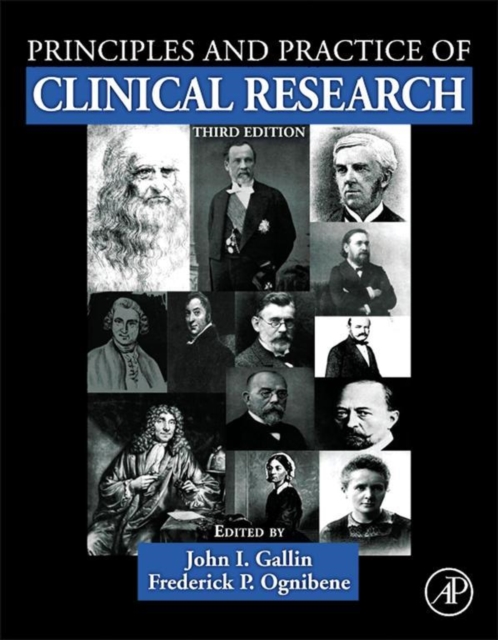
The third edition of this innovative work again provides a unique perspective on the clinical discovery process by providing input from experts within the NIH on the principles and practice of clinical research.
Pharmacogenomics: Challenges and Opportunities in Therapeutic Implementation includes discussions and viewpoints from the academic, regulatory, pharmaceutical, clinical, socio-ethical and economic perspectives.
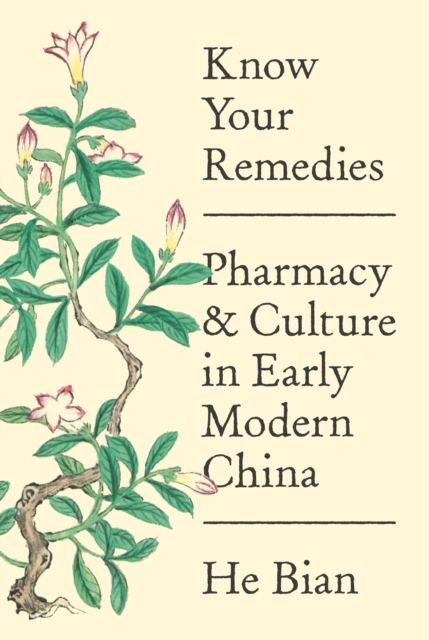
A cultural history of the concept of pharmacy, both the material nature of drugs and the trade in medicine, in early modern China Know Your Remedies presents a panoramic inquiry into China's early modern cultural transformation through the lens of pharmacy.
Pharmaceuticals companies, biotech companies, and CROs, regardless of size, all face the same challenge of managing costs and operational execution associated with bringing a valuable drugs and devices to market.
Available water disinfection systems rely mainly on large-scale filtration and the combination of filtration (to remove solids), and subsequent application of chemical disinfectants.
The purpose of Ligand Efficiency Indices for Drug Discovery: Towards an Atlas-Guided Paradigm is to introduce in a concise and self-contained form the concepts, ideas, applications and examples of efficiency-driven drug discovery to the biomedical community at large.
Fighting Multidrug Resistance with Herbal Extracts, Essential Oils and their Components offers scientists a single source aimed at fighting specific multidrug-resistant (MDR) microorganisms such as bacteria, protozoans, viruses and fungi using natural products.
Recognized as an essential component of Chinese culture, Traditional Chinese Medicine (TCM) is both an ancient medical system and one still used widely in China today.