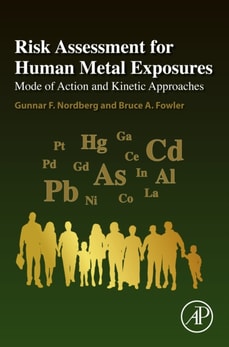
Risk Assessment for Human Metal Exposures: Mode of Action and Kinetic Approaches examines the current principles of risk assessment in human metal exposures, with a focus on Mode of Action(MOA), Toxicokinetic and Toxicodynamic (TKTD) considerations, and computer models.
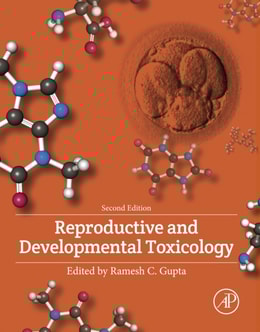
Reproductive and Developmental Toxicology, Second Edition, is a comprehensive and authoritative resource that provides the latest literature on this complex subject with a primary focus on three core components-parent, placenta, and fetus-and the continuous changes that occur in each.
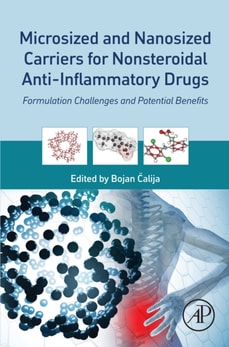
Microsized and Nanosized Carriers for Nonsteroidal Anti-Inflammatory Drugs: Formulation Challenges and Potential Benefits provides a unique and complete overview of novel formulation strategies for improvement of the delivery of NSAIDs via encapsulation in microsized and nanosized carriers composed of different materials of natural and synthetic origin.
Patient Derived Tumor Xenograft Models: Promise, Potential and Practice offers guidance on how to conduct PDX modeling and trials, including how to know when these models are appropriate for use, and how the data should be interpreted through the selection of immunodeficient strains.
Mustard Lung: Diagnosis and Treatment of Respiratory Disorders in Sulfur-Mustard Injured Patients brings together the details regarding pathophysiology, medication, and protective issues to provide a comprehensive look at health problems associated with sulfur mustard injury.
Originally published by Bentham and now distributed by Elsevier, Recent Advances in Medicinal Chemistry, Volume 1 covers leading-edge research and recent developments in rational drug design, synthetic chemistry, bioorganic chemistry, high-throughput screening, combinatorial chemistry, drug targets, and natural product research and structure-activity relationship studies.
Drug Design and Discovery in Alzheimer's Disease includes expert reviews of recent developments in Alzheimer's disease (AD) and neurodegenerative disease research.
Pharmacological Mechanisms and the Modulation of Pain, the newest volume in the Advances in Pharmacology series, presents the pharmacological mechanisms and the modulation of pain.
Advances in Structure and Activity Relationship of Coumarin Derivatives covers the structural behavior of various coumarin derivatives for various potential pharmaceutical applications.
Pharmacology in Drug Discovery and Development: Understanding Drug Response, Second Edition, is an introductory resource illustrating how pharmacology can be used to furnish the tools necessary to analyze different drug behavior and trace this behavior to its root cause or molecular mechanism of action.
Antibiotic Resistance: Mechanisms and New Antimicrobial Approaches discusses up-to-date knowledge in mechanisms of antibiotic resistance and all recent advances in fighting microbial resistance such as the applications of nanotechnology, plant products, bacteriophages, marine products, algae, insect-derived products, and other alternative methods that can be applied to fight bacterial infections.
A Comprehensive Guide to Toxicology in Nonclinical Drug Development, Second Edition, is a valuable reference designed to provide a complete understanding of all aspects of nonclinical toxicology in the development of small molecules and biologics.
How to Scale-Up a Wet Granulation End Point Scientifically provides a single-source devoted to all relevant information on the scale-up of a wet granulation end point.
Prodrug Design: Perspectives, Approaches and Applications in Medicinal Chemistry provides a focused overview of this critical area of drug discovery, as that continuous process strives not only to discover new drug compounds but also to modify the existing ones.
Cardio-Oncology: Principles, Prevention and Management is a clinical volume that focuses on the basic science of cardio-oncology, addresses cardiotoxicity as a consequence of cancer therapy, and discusses prevention, diagnosis and management of cardiovascular disease in patients with cancer.
Life-Threatening Effects of Antipsychotic Drugs describes in detail more than 20 life-threatening effects associated with antipsychotics, presents the best available data on their incidence and case fatality, and gives comprehensive advice on diagnosis, management and preventive strategies.
Volumes in this widely revered series present comprehensive reviews of drug substances and additional materials, with critical review chapters that summarize information related to the characterization of drug substances and excipients.
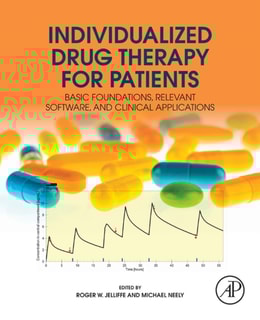
Individualized Drug Therapy for Patients: Basic Foundations, Relevant Software and Clinical Applications focuses on quantitative approaches that maximize the precision with which dosage regimens of potentially toxic drugs can hit a desired therapeutic goal.
Immune Rebalancing: The Future of Immunosuppression summarizes the most promising perspectives of immunopharmacology, in particular in the area of immunosuppression by considering molecular pathways, personalized medicine, microbiome and nanomedicine.
Volume 70 in the internationally acclaimed Advances in Clinical Chemistry contains chapters authored by world renowned clinical laboratory scientists, physicians and research scientists.
Advances in Clinical Chemistry, Volume 72, the latest installment in this internationally acclaimed series contains chapters authored by world-renowned clinical laboratory scientists, physicians, and research scientists.
The Chinese Research Academy of Environmental Sciences (CRAES) has conducted the Environmental exposure related activity pattern research of Chinese population (Adults).
Electronic Waste: Toxicology and Public Health Issues discusses the major public health concerns due to the presence of toxic chemicals that are generated from improper recycling and disposal practices of electronic waste (e-waste).
Chelation Therapy in the Treatment of Metal Intoxication presents a practical guide to the use of chelation therapy, from its basic chemistry, to available chelating antidotes, and the application of chelating agents.
This well-established international series examines major areas of basic and clinical research within neuroscience, as well as emerging and promising subfields.
Drug Metabolism in Diseases is a comprehensive reference devoted to the current state of research on the impact of various disease states on drug metabolism.
Acrylamide in Food: Analysis, Content and Potential Health Effects provides the recent analytical methodologies for acrylamide detection, up-to-date information about its occurrence in various foods (such as bakery products, fried potato products, coffee, battered products, water, table olives etc.
Mesenchymal Stromal Cells: Translational Pathways to Clinical Adoption provides the latest information on the necessary steps for successful production of stem cells for a clinical trial.
Drug Discovery Approaches for the Treatment of Neurodegenerative Disorders: Alzheimer's Disease examines the drug discovery process for neurodegenerative diseases by focusing specifically on Alzheimer's Disease and illustrating the paradigm necessary to ensure future research and treatment success.
Epi-Informatics: Discovery and Development of Small Molecule Epigenetic Drugs and Probes features multidisciplinary strategies with strong computational approaches that have led to the successful discovery and/or optimization of compounds that act as modulators of epigenetic targets.
Accelerated Predictive Stability (APS): Fundamentals and Pharmaceutical Industry Practices provides coverage of both the fundamental principles and pharmaceutical industry applications of the APS approach.
Developing Solid Oral Dosage Forms: Pharmaceutical Theory and Practice, Second Edition illustrates how to develop high-quality, safe, and effective pharmaceutical products by discussing the latest techniques, tools, and scientific advances in preformulation investigation, formulation, process design, characterization, scale-up, and production operations.
Atlas of Histology of the Juvenile Rat should be of interest to toxicologic pathologists, toxicologists, and other biological scientists who are interested in the histomorphology of juvenile rats.
Anti-angiogenesis Strategies in Cancer Therapeutics provides a detailed look at the current status and future directions in the discovery and development of novel anti-angiogenesis strategies in oncology.
Anticancer Treatments and Cardiotoxicity: Mechanisms, Diagnostic and Therapeutic Interventions presents cutting edge research on the adverse cardiac effects of both radiotherapy and chemotherapy, brought together by leaders in the field.
Modern Applications of Plant Biotechnology in Pharmaceutical Sciences explores advanced techniques in plant biotechnology, their applications to pharmaceutical sciences, and how these methods can lead to more effective, safe, and affordable drugs.
Social Aspects of Drug Discovery, Development and Commercialization provides an insightful analysis of the drug discovery and development landscape as it relates to society.
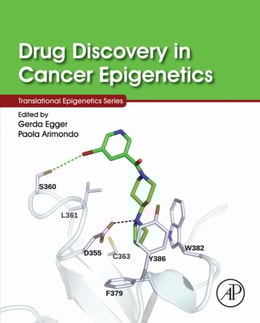
Drug Discovery in Cancer Epigenetics is a practical resource for scientists involved in the discovery, testing, and development of epigenetic cancer drugs.
Design and Manufacture of Pharmaceutical Tablets offers real world solutions and outcomes of formulation and processing challenges of pharmaceutical tablets.
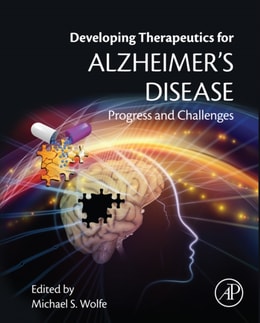
Developing Therapeutics for Alzheimer's Disease: Progress and Challenges provides a thorough overview of the latest advances toward the development of therapeutics for Alzheimer's disease, along with the major hurdles that still must be overcome and potential solutions to these problems.
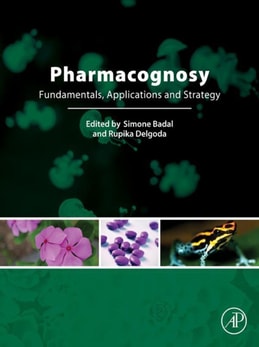
Pharmacognosy: Fundamentals, Applications and Strategies explores a basic understanding of the anatomy and physiology of plants and animals, their constituents and metabolites.
Pharmaceutical Medicine and Translational Clinical Research covers clinical testing of medicines and the translation of pharmaceutical drug research into new medicines, also focusing on the need to understand the safety profile of medicine and the benefit-risk balance.
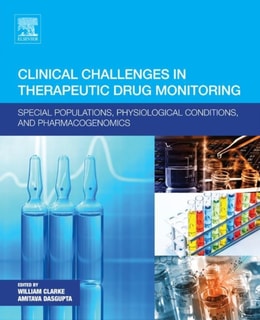
Clinical Challenges in Therapeutic Drug Monitoring: Special Populations, Physiological Conditions and Pharmacogenomics focuses on critical issues in therapeutic drug monitoring including special requirements of therapeutic drug monitoring important to special populations (infants and children, pregnant women, elderly patients, and obese patients).
This book is a neurochemistry-based companion for Protein Misfolding and Neurodegenerative Diseases: Molecular Targets, an Elsevier title by the same author publishing in December 2014.