Molecular Biological Markers for Toxicology and Risk Assessment provides an introduction to the exciting field of biomarkers and their use in toxicology and risk assessment.
Genomic and Precision Medicine: Cardiovascular Disease, Third Edition, focuses on the applications of genome discovery on the broad spectrum of cardiovascular disorders.
Despite considerable technological advances, the pharmaceutical industry is experiencing a severe innovation deficit, especially in the discovery of new drugs.
Thresholds of Genotoxic Carcinogens: From Mechanisms to Regulation brings together current opinion and research activities from Japan, the US, and Europe on the subject of genotoxic thresholds.
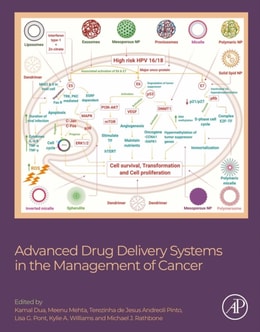
Advanced Drug Delivery Systems in the Management of Cancer discusses recent developments in nanomedicine and nano-based drug delivery systems used in the treatment of cancers affecting the blood, lungs, brain, and kidneys.
Targeted Nanomedicine for Breast Cancer Therapy provides a compilation of treatment approaches for breast cancer, including conventional receptor targeting methods and novel strategies like stimuli responsive methods and tumor micro-environment responsive strategies.
Translational Immunology: Mechanisms and Pharmacologic Approaches highlights and summarizes the most important advances in human immunology, clinical translations, new tools to analyze therapeutic targets, and new pharmacological approaches for autoimmunity, inflammatory disorders, and cancer.
Artificial Neural Network for Drug Design, Delivery and Disposition provides an in-depth look at the use of artificial neural networks (ANN) in pharmaceutical research.
Pharmacy Practice in Developing Countries: Achievements and Challenges offers a detailed review of the history and development of pharmacy practice in developing countries across Africa, Asia, and South America.
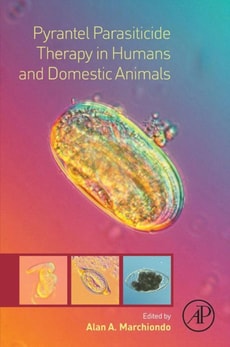
Pyrantel Parasiticide Therapy in Humans and Domestic Animals presents a single source history and reference on the parasiticide activity and pharmacology of the tetrahydropyrimidines and their salts in humans and domestic animals, also collating evidence that resistance to pyrantel has developed in human and domestic animal nematodes.
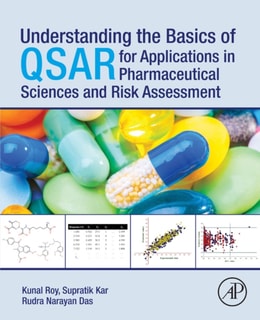
Understanding the Basics of QSAR for Applications in Pharmaceutical Sciences and Risk Assessment describes the historical evolution of quantitative structure-activity relationship (QSAR) approaches and their fundamental principles.
Systems Biology in Toxicology and Environmental Health uses a systems biological perspective to detail the most recent findings that link environmental exposures to human disease, providing an overview of molecular pathways that are essential for cellular survival after exposure to environmental toxicants, recent findings on gene-environment interactions influencing environmental agent-induced diseases, and the development of computational methods to predict susceptibility to environmental agents.
Genomic and Precision Medicine: Infectious and Inflammatory Disease, Third Edition, provides current clinical solutions on the application of genome discovery on a broad spectrum of disease categories in IMD - including asthma, obesity and multiple sclerosis.
Engineered Nanoparticles: Structure, Properties and Mechanisms of Toxicity is an indispensable introduction to engineered nanomaterials (ENM) and their potential adverse effects on human health and the environment.
Essential Pharmacokinetics: A Primer for Pharmaceutical Scientists is an introduction to the concepts of pharmacokinetics intended for graduate students and new researchers working in the pharmaceutical sciences.
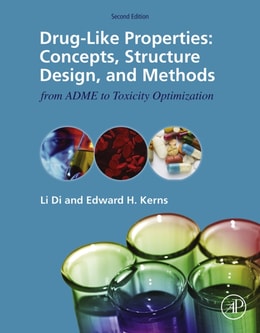
Of the thousands of novel compounds that a drug discovery project team invents and that bind to the therapeutic target, only a fraction have sufficient ADME (absorption, distribution, metabolism, elimination) properties, and acceptable toxicology properties, to become a drug product that will successfully complete human Phase I clinical trials.
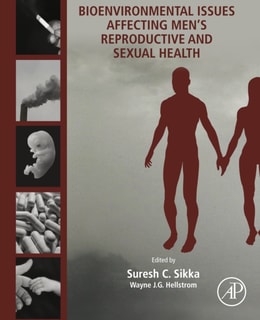
Bioenvironmental Issues Affecting Men's Reproductive and Sexual Health is structured into two parts related to men's reproductive and sexual health with eight sections designed to enable a logical flow of such knowledge.
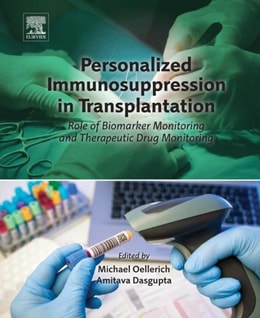
Personalized Immunosuppression in Transplantation: Role of Biomarker Monitoring and Therapeutic Drug Monitoring provides coverage of the various approaches to monitoring immunosuppressants in transplant patients, including the most recently developed biomarker monitoring methods, pharmacogenomics approaches, and traditional therapeutic drug monitoring.
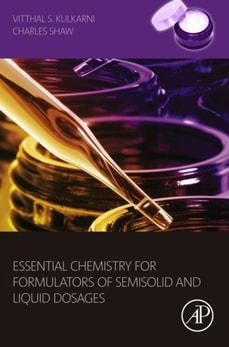
A needed resource for pharmaceutical scientists and cosmetic chemists, Essential Chemistry for Formulators of Semisolid and Liquid Dosages provides insight into the basic chemistry of mixing different phases and test methods for the stability study of nonsolid formulations.
Forensic Toxicology, the latest release in the Advanced Forensic Science Series that grew out of recommendations from the 2009 NAS Report, Strengthening Forensic Science: A Path Forward will serve as a graduate level text for those studying and teaching forensic toxicology.
Handbook of Cannabis and Related Pathologies: Biology, Pharmacology, Diagnosis, and Treatment is the first book to take an interdisciplinary approach to the understanding of cannabis use and misuse.
Principles of Translational Science in Medicine: From Bench to Bedside, Second Edition, provides an update on major achievements in the translation of research into medically relevant results and therapeutics.
The Evidence-Based Guide to Antipsychotic Medications is designed to provide both clinicians and residents with focused, comprehensive, and clinically relevant information regarding the use of antipsychotic medications to treat a broad range of psychiatric conditions -- from mood and anxiety disorders to substance abuse, personality disorders, and schizophrenia.
Drug interactions have become a significant iatrogenic complication, with as many as 5% of hospitalizations and 7,000 deaths annually attributable to drug-drug interactions in the United States.
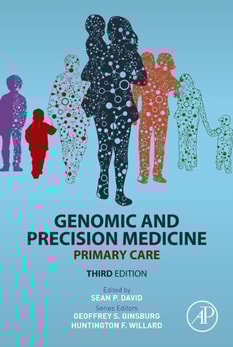
Genomic and Precision Medicine: Primary Care, Third Edition is an invaluable resource on the state-of-the-art tools, technologies and policy issues that are required to fully realize personalized health care in the area of primary care.
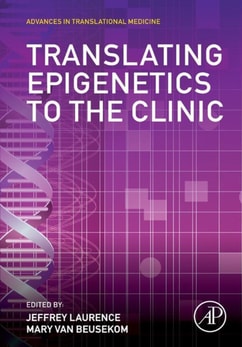
Translating Epigenetics to the Clinic reviews current methodological tools and experimental approaches used by leading translational researchers seeking to use epigenetics as a clinical model.
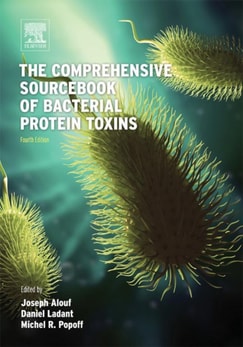
The Comprehensive Sourcebook of Bacterial Protein Toxins, Fourth Edition, contains chapters written by internationally known and well-respected specialists.
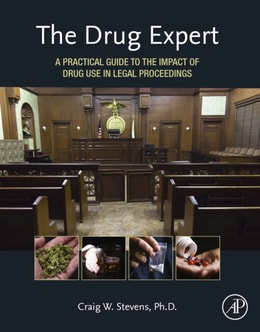
The Drug Expert: A Practical Guide to the Impact of Drug Use in Legal Proceedings targets academic and industry pharmacologists, pharmacology graduate students, and professionals and students of affiliated disciplines, such as pharmacy and toxicology.
Laboratory Animal Anaesthesia, Fourth Edition provides a basic guide to anaesthesia for a very diverse audience needing content, with straight-forward, structured style of writing.
International Cooperation, Convergence and Harmonization of Pharmaceutical Regulations: A Global Perspective provides the current status of the complex and broad phenomenon of cooperation, convergence and harmonization in the pharmaceutical sector (Part I), thoroughly evaluates its added value and its critical parameters and influencing factors (Part II) in order to recommend actions and measures to support the next steps for cooperation, convergence and harmonization (Part III).
Translating microRNA to the Clinic reviews the possibilities of current methodological tools and experimental approaches used by leading translational researchers.
Translating Regenerative Medicine to the Clinic reviews the current methodological tools and experimental approaches used by leading translational researchers, discussing the uses of regenerative medicine for different disease treatment areas, including cardiovascular disease, muscle regeneration, and regeneration of the bone and skin.
Handbook of Toxicology of Chemical Warfare Agents, Second Edition covers every aspect of deadly toxic chemicals used in conflicts, warfare and terrorism.
Wildlife Toxicity Assessments for Chemicals of Military Concern is a compendium of chemical-specific toxicity information with discussions on the rationale and development of Wildlife Toxicity Reference Values (TRVs) intended for use on terrestrial wildlife for risk assessment applications.
Toxicological Survey of African Medicinal Plants provides a detailed overview of toxicological studies relating to traditionally used medicinal plants in Africa, with special emphasis on the methodologies and tools used for data collection and interpretation.
Forensic Toxicology: Principles and Concepts takes the reader back to the origins of forensic toxicology providing an overview of the largely unchanging principles of the discipline.
Toxicology in Antiquity is the first in a series of short format works covering key accomplishments, scientists, and events in the broad field of toxicology, including environmental health and chemical safety.
The Endocannabinoidome: The World of Endocannabinoids and Related Mediators is dedicated to the latest research and studies on endocannabinoids and cannabinoid receptors to illustrate their important role in the discovery of new, endocannabinoid-related, lipid mediators.
Volumes in this widely revered series present comprehensive reviews of drug substances and additional materials, with critical review chapters that summarize information related to the characterization of drug substances and excipients.
Annual Reports in Medicinal Chemistry provides timely and critical reviews of important topics in medicinal chemistry with an emphasis on emerging topics in the biological sciences that are expected to provide the basis for entirely new future therapies.
Marine Carbohydrates: Fundamentals and Applications brings together the diverse range of research in this important area which leads to clinical and industrialized products.
Veterinary Toxicology for Australia and New Zealand is a reference suited to the unique challenges of veterinary practice in Australia and New Zealand.
Nonclinical Assessment of Abuse Potential for New Pharmaceuticals offers a complete reference on the current international regulatory guidelines and details best practice methodology for the three standard animal models used to evaluate abuse potential: physical dependence, self-administration and drug discrimination.