The definitive textbook on the use of lithium in the treatment of mental disorders, this comprehensive work provides an up-to-date analysis of lithium, including:HistoryClinical applications, including its use for mania, bipolar and schizophrenic disordersUse in special populations, for example in children, the elderly and people with med
Current research suggests that neurodegenerative diseases such as Alzheimer's, Parkinson's, Huntington's, and Creutzfeldt-Jacob may be linked to disorders in protein shape referred to as protein misfolding.
Furthering efforts to simulate the potency and specificity exhibited by peptides and proteins in healthy cells, this remarkable reference supplies pharmaceutical scientists with a wealth of techniques for tapping the enormous therapeutic potential of these molecules-providing a solid basis of knowledge for new drug design.
Written as a concise clinical reference guide covering the current and future airway disease treatments, this text encompasses: pathophysiology of respiratory tract diseasesthe methods of measuring airway and clinical responsesthe concepts upon which many treatments are used in COPD and asthma conditionsthe way in which these treatments work,
Highlighting the latest advances in molecular biology, mathematical modeling, quantitative risk assessment, and biopharmaceutical development, this reference presents how current scientific applications and methods impact and revolutionize mainstream toxicological research.
Over the years, researchers have reported solubility data in the chemical, pharmaceutical, engineering, and environmental literature for several thousand organic compounds.
The application of molecular biologic methods, recognition of neurogenic inflammatory processes, and utilization of genetic knockout animals are just some of the advances in toxicology of the upper airways in recent years.
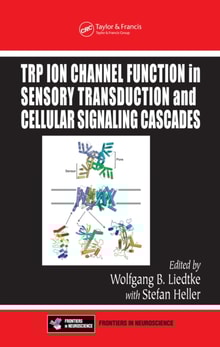
Since the first TRP ion channel was discovered in Drosophila melanogaster in 1989, the progress made in this area of signaling research has yielded findings that offer the potential to dramatically impact human health and wellness.
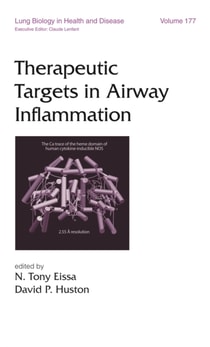
This reference examines the cellular, molecular, and genetic mechanisms involved in airway inflammation, as well as the pathophysiology, epidemiology, and aetiology of asthma.
Bottom Line Information to Effectively Diagnose DisordersThe diagnosis, management, and clinical testing associated with old, traditional, and new endocrine disorders have seen numerous advances during the past 10 years since the publication of the previous edition of this bestselling resource.
Covering some of the most important topics in modern toxicology, the Handbook of Human Toxicology is a unique and valuable addition to the current literature.
Site-specific drug delivery and targeting attracts much research interest from both academia and industry, but because of the many challenges faced in the development of these systems, only a handful of targeted therapies have successfully made it into clinical practice.
Focusing on the development of enzyme inhibitors as therapeutic drugs, Enzymes and Their Inhibitors: Drug Development provides a concise overview of the chemistry of major types of enzymes and their inhibitors.
Photodynamic therapy (PDT) is a ground breaking medical technique which uses lasers to activate light-sensitive chemicals to treat cancer and other diseases without resorting to surgery.
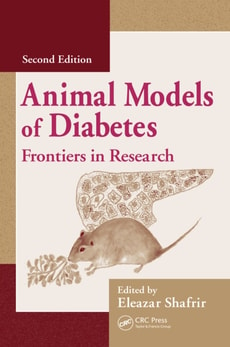
As the incidence of diabetes increases worldwide, the need for recommendations on how to prevent and treat the condition grows exponentially, and so does the need for an authoritative source for information on the appropriate models to study the condition.
Since the first Handbook of Cell-Penetrating Peptides was prepared in 2001, the wealth of new information on the use of these peptides as transport systems has in fact served to confound the field.
Despite being regarded as the most common toxicological target in the endocrine system, the adrenal gland has often been neglected in regulatory testing.
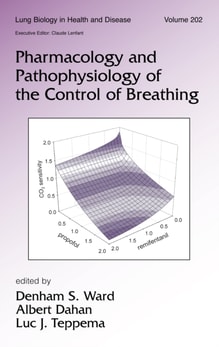
Exploring the functional anatomy and physiology of the ventilatory control system from the intracellular to the integrative level, this references serves as the first source to offer comprehensive coverage of the influences of various pharmacological agents on the control of breathing.
Drug Stereochemistry: Analytical Methods and Pharmacology, Third Edition covers all aspects of chiral drugs from academic, governmental, industrial, and clinical perspectives, reflecting the many advances in techniques and methodology.
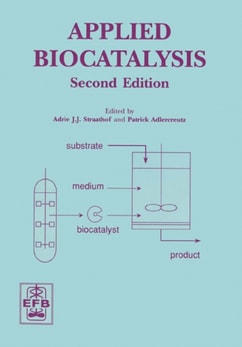
Describing the essential steps in the development of biocatalytic processes from concept to completion, this carefully integrated text combines the fundamentals of biocatalysis with technological experience and in-depth commercial case studies.
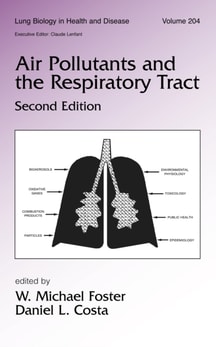
Emphasizing the impact of air toxins and contaminants on human health, this Second Edition examines the latest research from the epidemiology to the cellular mechanisms underlying cardiopulmonary responses to air pollution.
Since most therapeutic efforts have been predominantly focused on pharmaceuticals that target proteins, there is an unmet need to develop drugs that intercept cellular pathways that critically involve nucleic acids.
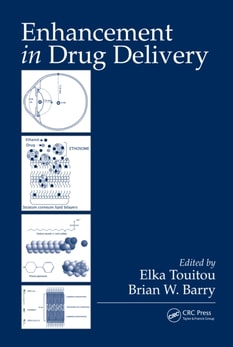
Providing a significant cross-fertilization of ideas across several disciplines, Enhancement in Drug Delivery offers a unique comprehensive review of both theoretical and practical aspects of enhancement agents and techniques used for problematic administration routes.
As the number of patients with thrombosis and thrombolysis increases, there is a critical need for clinicians to learn the latest scientific discoveries and treatment options.
Biomedical ScienceChinese herbal medicine represents complementary or adjunctive therapies that often can improve the efficacy of Western medicine to achieve the pharmacological effects, especially in cancer treatment.
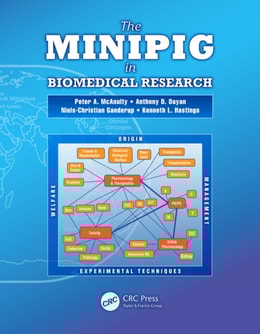
The Minipig in Biomedical Research is a comprehensive resource for research scientists on the potential and use of the minipig in basic and applied biomedical research, and the development of drugs and chemicals.
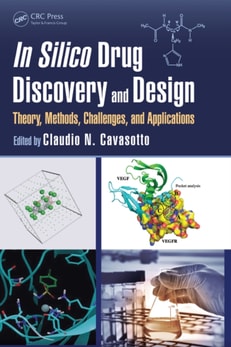
In Silico Drug Discovery and Design: Theory, Methods, Challenges, and Applications provides a comprehensive, unified, and in-depth overview of the current methodological strategies in computer-aided drug discovery and design.
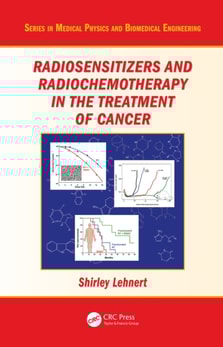
Radiosensitizers and Radiochemotherapy in the Treatment of Cancer catalogs and describes the mechanism of action for entities characterized as radiosensitizers.
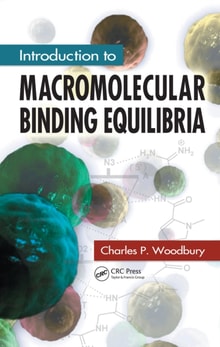
Macromolecules in the body form noncovalent associations, such as DNA-protein or protein-protein complexes, that control and regulate numerous cellular functions.
With contributions by international experts in academia, chemical manufacturing, government research laboratories, regulatory agencies, and private consulting, this guide explores the potentially damaging influence of environmental agents on the endocrine system.
Revised and updated, this edition covers general principles of overdose management; the automonic nervous system, neurotransmitters and drugs; drugs used in psychiatry; cardiac drugs; agents that burn; gases and abnormal haemoglobin formation; the
Dieses Buch bietet ausführliche Informationen über die Anwendung von Cannabisprodukten als legitime Medizin zur Behandlung einer Vielzahl von Krankheiten und Störungen bei Haustieren.
Dieses Buch bietet ausführliche Informationen über die Anwendung von Cannabisprodukten als legitime Medizin zur Behandlung einer Vielzahl von Krankheiten und Störungen bei Haustieren.
There is growing interest in the field of melatonin research regarding its neurobiological mechanisms as well as its repercussions in clinical practice.
As the first detailed overview of the subject, Tight Junctions brought together diverse perspectives from leading investigators to provide a multidisciplinary overview of the field.
Up to the last decade or so, most general modeling approaches to the study of molecular components of biological responses have required significant amount of computer time, expertise, and resources, as well as highly specialized and often custom-written programs.
The first edition of Bioactive Compounds from Natural Sources was published in a period of renewed attention to biologically active compounds of natural origin.
Advances in pharmacogenomics and proteomics, along with the introduction of recombinant DNA technology, have expanded the applications of pharmacology to encompass a range of disciplines.