A present and up-to-date overview of this particular genus, the contents of this volume include a history of its use, biotechnology, extraction of ginkgo leaves and extensive coverage of the ginkolides; their discovery, biosynthesis, chemical analysis, clinical use and pharmacological activity.
Featuring more than 4100 references, Drug-Induced Liver Disease is an invaluable reference for gastroenterologists, hepatologists, family physicians, internists, pathologists, pharmacists, pharmacologists, and clinical toxicologists, and graduate and medical school students in these disciplines.
Virtual screening can reduce costs and increase hit rates for lead discovery by eliminating the need for robotics, reagent acquisition or production, and compound storage facilities.
Both an introduction and a fundamental reference, this book explores how to apply genomic, proteomic, and metabolomic technologies to surrogate tissue analysis.
Top Investigators Explore the Complexities of Angiogenesis Cancer ResearchThe targeting of tumor angiogenesis has evolved into one of the most widely pursued therapeutic strategies.
Haschek and Rousseaux's Handbook of Toxicologic Pathology is a key reference on the integration of structure and functional changes in tissues associated with the response to pharmaceuticals, chemicals and biologics.
Emerging Therapeutic Targets and Drug Delivery Approaches in IBD, Volume 101 in this ongoing series, highlights new advances, with this volume presenting interesting chapters on timely topics, including Fibrosis in IBD - AXL as a Promising Therapeutic Target, Developing a pathway to test anti-fibrotic drugs in Crohn's disease, Emerging therapeutics for the management of intestinal fibrosis and strictures, GCPII for IBD, Fistulas/stem cell products for IBD/Crohn's, The landscape of new therapeutic opportunities for IBD, TL1A : A Model For The Use Of Precision Medicine For The Treatment of Crohn's Disease and Ulcerative Colitis, Dectin-1 as a therapeutic target for IBD, and more.
Featuring a unique approach, Nicotinic Receptors in the Nervous System provides integrated coverage of research on neuronal nicotinic systems relevant to smoking addiction and cognitive dysfunction.
The broad range of G protein-coupled receptors (GPCRs) encompasses all areas of modern medicine and have an enormous impact on the process of drug development.
A Single Source on Parallel Synthesis for Lead OptimizationThe end of the previous millennium saw an explosion in the application of parallel synthesis techniques for making compounds for high-throughput screening.
The second volume in the series Carbohydrate Chemistry: Proven Synthetic Methods, Volume 2 offers a collection of synthetic procedures valuable to the practice of synthetic carbohydrate chemistry.
Discovery and Development of Anti-Prostate Cancer Agents from Natural Products presents cutting-edge research advances in the field of bioactive natural products and natural drug formulations.
A True Insider's Guide to the Field - Then and Now Until now, there has not been a book that effectively addresses the historical basis of protein discovery.
Physico-Chemical Aspects of Dosage Forms and Biopharmaceutics: Recent and Future Trends in Pharmaceutics, Volume Two explores aspects of pharmaceutics with an original approach that focuses on technology, novelties and future trends.
Lipid-Drug Conjugates: Innovation and Applications highlights the most recent advances and clinical applications of nano lipid-drug conjugates for enhanced drug delivery and targeting in the treatment of cancer, glioblastoma, Alzheimer's, AIDS, and bacterial diseases.
The biopharmaceutical industry has entered an era of unprecedented change and challenge, characterized by increasing pricing pressures, rising rates of attrition in the product development lifecycle, and decreasing scientific innovation.
Poly (ADP-ribose) polymerase (PARP), also termed poly (ADP-ribose) synthetase (PARS) is a nuclear enzyme with a wide range of functions, including regulation of DNA repair, cell differentiation, and gene expression.
This reference/text covers fundamentals of peptide and protein drug delivery, including such considerations as synthesis, physical chemistry and biochemistry, analysis, proteolytic and transport constraints, pharmacokinetics, and pharmacodynamics; bioavailability from routes of administration, detai
Co-authored by a neurologist, a psychiatrist, and a pulmonologist, Sleep Medicine in Clinical Practice reflects the cross-disciplinary nature in the clinical management of sleep disorders.
Second International Conference on Emerging Trends in IOT and Computing Technologies (ICEICT - 2023) is organised with a vision to address the various issues to promote the creation of intelligent solution for the future.
This text documents the science that lies behind the expanding field of cosmetic dermatology so that clinicians can practice with confidence and researchers can be fully aware of the clinical implications of their work.
Nanosized particles explored for therapeutics and diagnosis-related research areas need the latest updated information for budding researchers as well as academicians.
Written in such a way as to make it accessible to toxicologists who do not have English as a first language, this book focuses on evaluating, interpreting and reporting results of regulatory toxicology studies.
Carbon-Based Nanomaterials for Sustainable and Technological Applications covers the fundamentals of carbon-based nanomaterials (CNMs) and their potential for technological and industrial applications.
ATP's powerful impact on the heart and blood vessels was first described in 1929, but it was not until the 1970s that ATP was proposed as the 'purinergic' neurotransmitter in autonomic nerves.
Presenting the latest research in glial cell function gleaned from new techniques in imaging and molecular biology, The Role of Glia in Neurotoxicity, Second Edition covers multiple aspects of glial cells, including morphology, physiology, pharmacology, biochemistry, pathology, and their involvement in the pathophysiology of neurological diseases.
*; Examines the main pharmacological properties of psychedelic substances, including LSD, DMT, psilocybin, ayahuasca, mescaline, ketamine, ibogaine, salvia, and MDMA*; Explains the physiological mechanisms behind visionary effects, including what is happening in the brain and how each psychedelic is processed by the body*; Shares safe strategies for using psychedelics, including harm-reduction techniques, and looks at where the future of psychedelic therapies is likely to goWith the widespread legalization of marijuana and the increasing use of psychoactives in controlled therapy settings, further research and understanding of psychedelics is now possible.
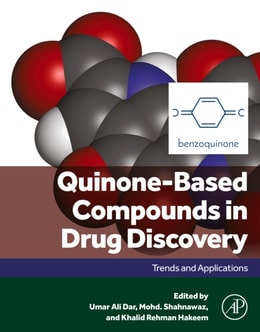
Quinone-Based Compounds in Drug Discovery: Trends and Applications provides a comprehensive and up-to-date overview of the latest advances in the field of drug discovery using quinone-based materials.
Now in its fourth edition, "e;Basic Notes in Psychopharmacology"e; is a concise summary, in the form of notes, which gives the reader a quick and easy-to-use overview of the subject.
Novel Drug Delivery Systems in the Management of CNS Disorders offers a comprehensive source of information on delivering drugs to the central nervous system to treat various diseases and conditions.