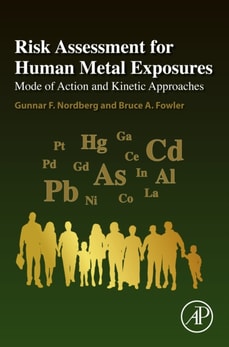
Risk Assessment for Human Metal Exposures: Mode of Action and Kinetic Approaches examines the current principles of risk assessment in human metal exposures, with a focus on Mode of Action(MOA), Toxicokinetic and Toxicodynamic (TKTD) considerations, and computer models.
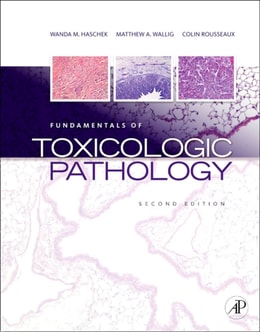
Toxicologic pathology integrates toxicology and the disciplines within it (such as biochemistry, pharmacodynamics and risk assessment) to pathology and its related disciplines (such as physiology, microbiology, immunology, and molecular biology).
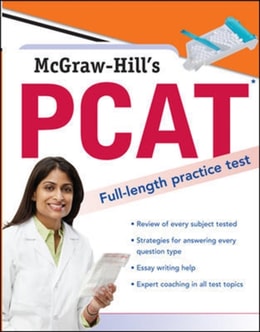
Complete preparation for the more than 30,000 students taking the PCAT each yearThe number of Pharmacy College Admission Test (PCAT) test takers has doubled since 2001-and that number continues to grow.
When asked to compare the practice of medicine today to that of a hundred years ago, most people will respond with a story of therapeutic revolution: Back then we had few effective remedies, but now we have more (and more powerful) tools to fight disease, from antibiotics to psychotropics to steroids to anticancer agents.
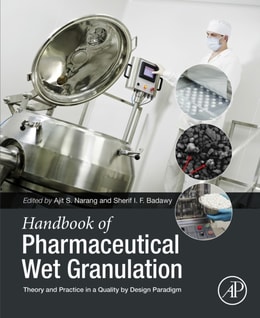
Handbook of Pharmaceutical Wet Granulation: Theory and Practice in a Quality by Design Paradigm offers a single and comprehensive reference dedicated to all aspects of pharmaceutical wet granulation, taking a holistic approach by combining introductory principles with practical solutions.
Innovation in Clinical Trial Methodologies: Lessons Learned during the Corona Pandemic presents a selection of updated chapters from Re-Engineering Clinical Trials that feature innovative options and methods in clinical trials.
Virtual Screening and Drug Docking, Volume 59 in the Annual Reports on Medicinal Chemistry series, highlights new advances in the field, with this new volume presenting interesting chapters on a variety of timely topics, including Can docking scoring functions guarantee success in virtual screening?
Progress in Medicinal Chemistry, Volume 61 provides a review of eclectic developments in medicinal chemistry, with each chapter written by an international board of authors.
Systemic Drug Delivery Strategies: Delivery Strategies and Engineering Technologies in Cancer Immunotherapy, Volume 2 examines the challenges of delivering immuno-oncology therapies, focusing specifically on the multiple technologies of affective drug delivery strategies.
Coronavirus Drug Discovery, Volume Three: Druggable Targets and In Silico Update presents comprehensive information on drug discovery against COVID-19.
Emerging Nanotechnologies in Immunology aims to deliver a systematic and comprehensive review of data concerning the nature of interaction and nano-related risks between the nanophamaceuticals currently in the pipeline of S&T development for skin, ocular, and nasal drug delivery, including absorption, toxicity, and the ability to distribute after systemic exposure.
Nanostructures for Cancer Therapy discusses the available preclinical and clinical nanoparticle technology platforms and their impact on cancer therapy, including current trends and developments in the use of nanostructured materials in chemotherapy and chemotherapeutics.
Originally published by Bentham and now distributed by Elsevier, Recent Advances in Medicinal Chemistry, Volume 1 covers leading-edge research and recent developments in rational drug design, synthetic chemistry, bioorganic chemistry, high-throughput screening, combinatorial chemistry, drug targets, and natural product research and structure-activity relationship studies.
Behavioral Pharmacology of Drug Abuse: Current Status, Volume 93 provides an update on our current understanding of animal and human behavioral pharmacology in major classes of drugs of abuse, including nicotine, alcohol, opioids, psychostimulants, and hallucinogens, drug-environment interactions, neurochemical mechanisms and medications developments.
Annual Reports in Medicinal Chemistry provides timely and critical reviews of important topics in medicinal chemistry together with an emphasis on emerging topics in the biological sciences, which are expected to provide the basis for entirely new future therapies.
New Targets for the Treatment of Hypertension and Associated Diseases, Volume 94 in the Advances in Pharmacology serial, highlights new advances in the field, with this new volume presenting interesting chapters on Cytochrome P450, 20-hydroxyeicosatetraenoic acid and GPR75 pathway in hypertension, Treatment of hypertension with soluble epoxide hydrolase inhibitors, Effects of allosteric modifiers of adenosine receptors in the heart, Orally active epoxyeicosatrienoic acid analogs in hypertension and renal injury, Drugs affecting the nitric oxide- cyclic GMP pathway in hypertension, Relaxin-2 and Serelaxin in renal and cardiac dysfunction in hypertension, and more.
Lanzkowsky's Manual of Pediatric Hematology and Oncology, Seventh Edition remains the go-to clinical manual for the treatment and management of childhood cancers and blood disorders.
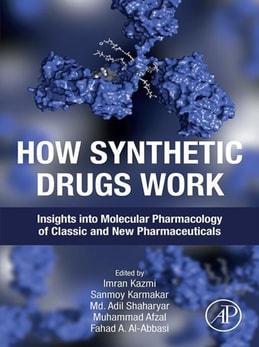
How Synthetic Drugs Work: Insights into Molecular Pharmacology of Classic and New Pharmaceuticals provides comprehensive, structured access to robust information on molecular pharmacology for clinicians, research scientists and advanced health care students.
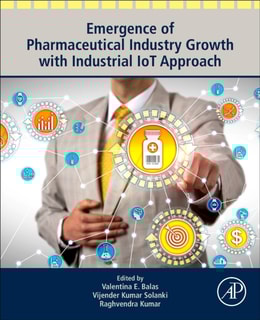
Emergence of Pharmaceutical Industry Growth with Industrial IoT Approach uses an innovative approach to explore how the Internet of Things (IoT) and big data can improve approaches, create efficiencies and make discoveries.
Medicinal Chemistry of Tick-Borne Encephalitis, Volume 58 in the Annual Reports in Medicinal Chemistry serial, highlights new advances in the field, with this new volume presenting interesting chapters on the Discovery of small molecule TBEV antivirals, Perylene as a controversial antiviral scaffold, Animal models of TBEV infection for preclinical studies of drugs and vaccines, Insights from experience in the treatment of tick-borne bacterial co-infections with tick-borne encephalitis, Small molecule-based inhibitors of flaviviral RNA-dependent RNA-polymerase: prospective candidates for treatment of tick-borne encephalitis virus infection, and Structural Biology and Proteomics of Tick-Borne Encephalitis Virus.
Photophysics and Nanophysics in Therapeutics explores the latest advances and applications of phototherapy and nanotherapy, covering the application of light, radiation, and nanotechnology in therapeutics, along with the fundamental principles of physics in these areas.
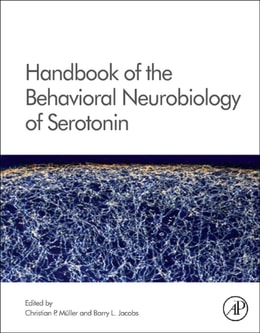
Serotonin (5-hydroxytryptamine, often cited as 5-HT) is one of the major excitatory neurotransmitter, and the serotonergic system is one of the best studied and understood transmitter systems.
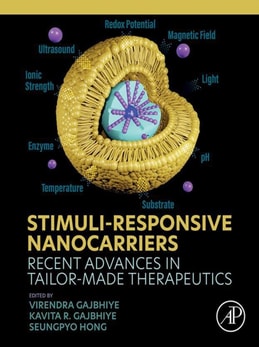
Stimuli-Responsive Nanocarriers: Recent Advances in Tailor-Made Therapeutics compiles dispersed knowledge into a complete and comprehensive source to help researchers understand and progress stimuli-responsive nanocarriers.
Annual Reports in Medicinal Chemistry provides timely and critical reviews of important topics in medicinal chemistry together with an emphasis on emerging topics in the biological sciences, which are expected to provide the basis for entirely new future therapies.
Practical Biostatistics: A Step-by-Step Approach for Evidence-Based Medicine, Second Edition presents a complete resource of biostatistical knowledge meant for health sciences students, researchers and health care professionals.
The South African Herbal Pharmacopeia: Monographs of Medicinal and Aromatic Plants is a collection of 25 original monographs of medicinal plants that are currently under commercialization or have the potential for commercialization into herbal medicinal products for the global marketplace.
Annual Reports in Medicinal Chemistry, Volume 57 in this long-running series, highlights new advances in the field with this new volume presenting interesting chapters on the Mechanism of action of the broadly acting antiviral drug remdesivir, Improving properties of the nucleobase analogue T-706 as a potential anti-SARS-CoV-2 and anti-influenza compound, Antivirals for RNA virus infections Anno 2020-2021, Broad spectrum antiviral fleximer nucleosides, SARS-CoV-2 main protease inhibitors, The search for antivirals to treat alphavirus infections, Inhibitors of Ebola Virus targeting Innate immune evasion, Uracil derivatives as non-nucleoside inhibitors of viral infections, and more.
Herbal Bioactive-Based Drug Delivery Systems: Challenges and Opportunities provides a wide-ranging, in-depth resource for herbal bioactives, including detailed discussion of standardization and regulations.
A Pharmacology Primer: Techniques for More Effective and Strategic Drug Discovery, Sixth Edition features the latest research surrounding the application of pharmacology in drug discovery in an effort to equip readers with a deeper understanding of complex and rapid changes in this field.
Coronavirus Drug Discovery, Volume Two: Antiviral Agents from Natural Products and Nanotechnological Applications presents detailed information on drug discovery against COVID-19.
Advances in Clinical Chemistry, Volume 72, the latest installment in this internationally acclaimed series contains chapters authored by world-renowned clinical laboratory scientists, physicians, and research scientists.
Oxidative Stress: Its Impact on Human Health and Disease Onset examines all factors known to elevate oxidative stress (OS) and the mechanism of OS disease causation.
Progress in Medicinal Chemistry, Volume 58, provides a review of eclectic developments in medicinal chemistry, with each chapter written by an international board of authors.
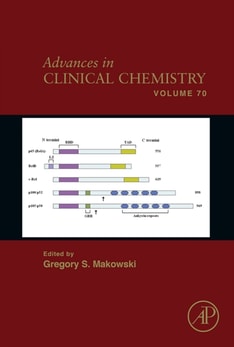
Volume 70 in the internationally acclaimed Advances in Clinical Chemistry contains chapters authored by world renowned clinical laboratory scientists, physicians and research scientists.
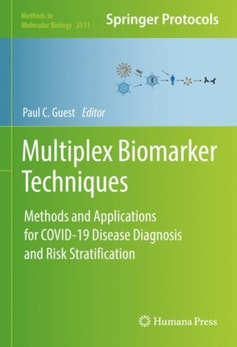
This detailed volume explores the application of multiplex biomarker methods in the critical area of COVID-19 research through state-of-the-art technologies in the fields of genomics, proteomics, transcriptomics, metabolomics, and imaging.
Publisher's Note: Products purchased from Third Party sellers are not guaranteed by the publisher for quality, authenticity, or access to any online entitlements included with the product.