The hands-on study companion for the most respected, rigorous medical toxicology text availableGoldfrank's Toxicologic Emergencies has long been the go-to guide for accurately diagnosing and effectively treating poisoned and overdosed patients.
100 complex cases illustrate how to ensure safe, effective treatment during transitions between care settings Moving a patient from one healthcare provider or setting to another a transition of care increases the risk of medication errors due to inadequate communication and poor coordination of care.
Publisher's Note: Products purchased from Third Party sellers are not guaranteed by the publisher for quality, authenticity, or access to any online entitlements included with the product.
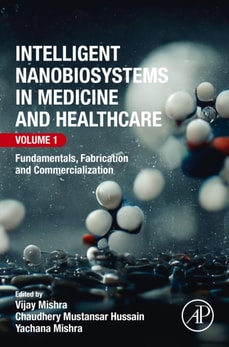
Intelligent Nanobiosystems in Medicine and Healthcare, Volume One: Fundamentals, Fabrication and Commercialization provides an overview of recent progress in the nanobiosystems arena, helping readers design and develop novel drug delivery systems and devices that take advantage of recent advances in nanomedical technologies.
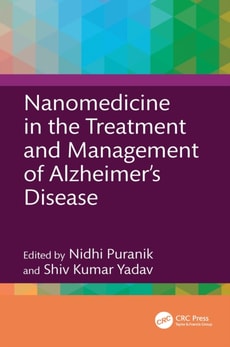
This book aims to discuss the various drug delivery approaches of neuroprotective medicines via nanoparticles, such as enzymes, monoclonal antibodies, neurotrophic factors, pharmaceutical drugs, and nucleic acid-based medication, to manage Alzheimer's disease.
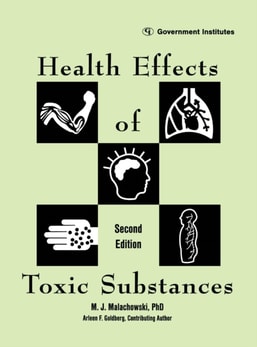
This 2nd Edition is a significantly expanded exploration of hazardous chemicals, their effects on human health, and the principles of hazards materials toxicology and industrial hygiene.
Recent Advances In Neuropsychopharmacology contains selected papers from the 12th Congress of the Collegium Internationale Neuro-Psychopharmacologicum held in Goteborg, Sweden, 22-26 June 1980.
The Toxicity of Plutonium, Americium and Curium provides a biological basis for an assessment of the radiological health problems resulting from human exposure to americium, curium, and plutonium.
Neuropharmacology is a collection of papers presented at a symposium of the XXVI International Congress of Physiological Sciences, held in New Delhi, India in 1974.
The Release of Catecholamines from Adrenergic Neurons covers the advances in understanding the mechanism of catecholamine release and other neurotransmitters from adrenergic neurons.
Neurotransmission is the second volume of the proceedings of the Sixth International Congress of Pharmacology, organized by the Finnish Pharmacological Society and held in Helsinki, Finland, on July 20-25, 1975.
Pharmacology of Neuromuscular Function, Second Edition provides information pertinent to drugs that affect membrane potentials of the conduction of action potentials in nerve endings and muscle fibers.
Advances in Physiological Sciences, Volume 1: Regulatory Functions of the CNS: Principles of Motion and Organization covers the proceedings of the 28th International Congress of Physiological Sciences, held in Budapest in 1980.
Neuro-psychopharmacology covers the proceedings of the 11th Congress of the Collegium Internationale Neuro-psychopharmacologicum, held in Vienna on July 9-14, 1978.
Biotechnological Innovations in Health Care provides insight and information on how modern biotechnology may be applied to produce useful medicinal products.
Because of the highly significant and widely recognized roles of ion channels in physiology, pathophysiology, pharmacology, and toxicology, the term ion channel has now become a household word in the biomedical sciences.
This fully revised edition explores the management of neurological disorders with a focus on neuroprotection, disease modification, and neuroregeneration rather than symptomatic treatment.
Methods in Behavioral Pharmacology is unique in offering a complete description and critical evaluation of most, if not all, methods available to study the effects of drugs on behavior.
The serendipitously discovered link between developmental biology and cancer, touched of an explosion of discoveries on the role of Notch in human malignancies, including every aspect of cancer biology, from control of differentiation, proliferation and apoptosis in transformed cells to angiogenesis, tumor-stroma interaction and anti-cancer immune responses.
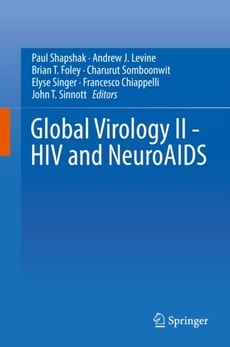
This book on NeuroAIDS, a collection of chapters written by experts and specialists from around the world, provides a global perspective on HIV and NeuroAIDS in the field, clinic, and laboratory.
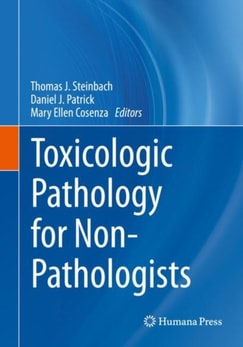
This extensive volume began as a short course primarily geared toward toxicologists who want to expand their understanding of toxicologic pathology in order to be better study directors while also proving to be of great interest to other drug development scientists and regulatory reviewers.
Microsomes and Drug Oxidations is a record of the proceedings of the Third International Symposium on Microsomes and Drug Oxidations, held in Berlin, Germany in July 1976.
Dodging the Toxic Bullet presents workable strategies that show how we can live longer, healthier lives by breathing clean air, eating healthy food, drinking safe water, and using non-toxic products.
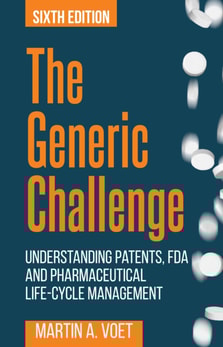
This Sixth Edition of The Generic Challenge provides important new updates on current regulatory, legal and commercial issues affecting brand and generic pharmaceutical products, including new laws establishing generics for biologics, and changes brought
This book is an excursion into the drug development process, from the initial conception in a chemical or molecular biology lab, via tests in isolated cells and animals, to the stage of clinical trials.
Quality Assurance Management: A Comprehensive Overview of Real-World Applications for High Risk Specialties demonstrates how to best design and implement standard operating procedures (SOPs) to ensure protocol and regulation adherence.
The field of contract research and manufacturing broadly encompasses those services in the pharmaceutical and biotechnology sectors that require extensive research and development and large-scale manufacturing facilities.
The funding of biopharmaceutical research and development provides a comprehensive critical review of the funding of research and development (R&D) in the human biopharmaceutical market sector.
While the safety assessment ("e;biocompatibility"e;) of medical devices has been focused on issues of local tissue tolerance (irritation, sensitization, cytotoxicity) and selected quantal effects (genotoxicity and acute lethality) since first being regulated in the late 1950s, this has changed as devices assumed a much more important role in healthcare and became more complex in both composition and in their design and operation.
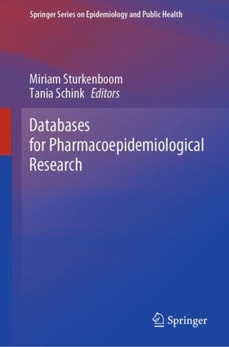
This book allows readers to gain an in-depth understanding of the role of real-world data in pharmacoepidemiology, and highlights the strengths and limitations of the respective databases with regard to pharmacoepidemiological research.