Die Autoren stellen die psychischen Wirkfaktoren des Qigong dar und vermitteln in zahlreichen Übungen, Beispielen und anhand von Fotos, wie Qigong in Therapie und Selbstmanagement erfolgreich eingesetzt werden kann.
Patientinnen und Patienten, die durch eine lebensbedrohliche körperliche Erkrankung traumatisiert sind, benötigen spezielle psychotherapeutische Hilfe.
- Grundlagenwerk für die praktische Tätigkeit- Jeder Beitrag enthält Standardszenarien und Fallbeschreibungen- Kompakt, klar, gut verständlich- Glossar der FachbegriffeHier finden alle Berufsgruppen, die Paare mit Kinderwunsch und Mütter und Väter während der Schwangerschaft und Geburt sowie im ersten Lebensjahr des Kindes betreuen, begleiten und beraten, fundierte Anregungen, Hilfen, tieferes Wissen und neue Zugänge für Frühe Hilfen.
- Berauschend vielschichtig: Alkohol und Drogen evolutionär, historisch, gesellschaftlich und medizinisch betrachtet- Aktuell: Wie gefährlich sind moderne Drogen?
- Zeitgemäß: Gruppentherapie wird in unserer schnelllebigen Gesellschaft immer bedeutender bei existenziellen Ängsten und steuert Versorgungsengpässen entgegen- Umfassend: Deckt die gesamte Lebensspanne des Menschen ab- Expertise: Ausschließlich von Praktikern geschrieben, die ihre erprobte Arbeit mit besonderen Patientengruppen vorstellenDie Psychotherapie-Richtlinie bietet seit 2017 Erleichterungen und neue Möglichkeiten der Gruppenpsychotherapie an.
Das erste Praxishandbuch für die Schwangerschaftskonfliktberatung schließt eine Lücke: Es geht umfassend und konkret auf die besonderen Erfordernisse dieser Beratungsform ein: was sind wünschenswerte Ziele?
Das »Modellieren von Lebensmöglichkeiten« bietet die Chance, mit noch nie aktualisierten oder neu kombinierten Identitäten der eigenen Person Erfahrungen zu sammeln.
Das Buch setzt sich mit heilenden und schädigenden Aspekten im Kontext von Bindung, Trennung, Scheidung und Neubeginn mit Blick auf die Eltern sowie auf die Kinder auseinander.
Aussagekräftige Beispiele für Berichte gemäß Reform 2017Das Inkrafttreten der neuen Psychotherapie-Richtlinie seit April 2017 hat auch Änderungen bei der Beantragung von Psychotherapie und im Gutachterverfahren mit sich gebracht.
Aktualisiert nach den neuen Kriterien der ICD-11Vollständig überarbeitete NeuauflageDie »Dissoziative Identitätsstörung« (DIS, Multiple Persönlichkeitsstörung) wird in der Psychotherapie übereinstimmend auf schwere emotionale, körperliche und sexuelle Gewalterfahrung in der frühen Kindheit zurückgeführt.
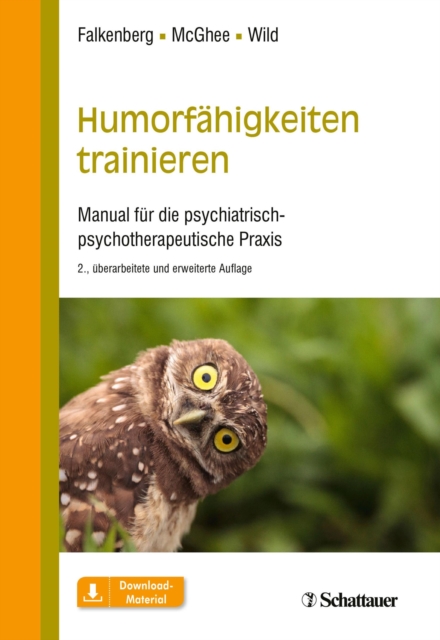
Humor in der Therapie wirksam einsetzen- Universell: Humor als Zugang zu verschiedensten zwischenmenschlichen Interaktionen- Ganz einfach: Jede/r kann Humor erlernen und anwenden- Neu: Schizophrenie, Neurobiologie und konkrete HumortrainingsHumor spielt in nahezu jeder Form von zwischenmenschlicher Interaktion eine Rolle.
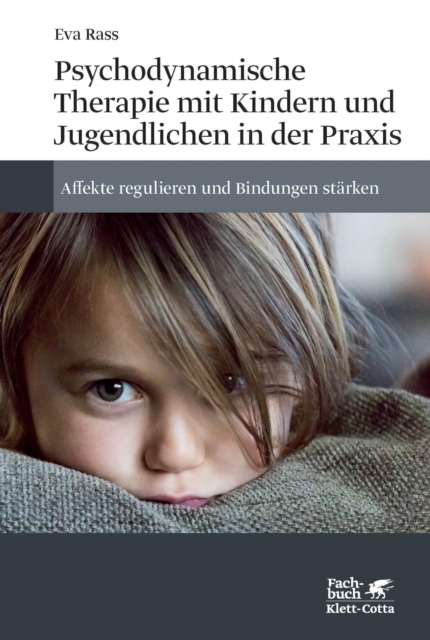
Ein Werkstattbuch für die psychodynamische Praxis- Zahlreiche Fallbeispiele- Konzepte für eine kindzentrierte psychodynamische Familientherapie- Praxistaugliche Konzepte für die Therapie unter Einbeziehung der Elternarbeit- Eine erfahrene Psychotherapeutin liefert Werkzeuge für die kinderpsychotherapeutische WerkstattIn diesem Buch verbindet Eva Rass ihre 40 Jahre währende praktische Erfahrung als Kinder- und Jugendlichen- Psychotherapeutin mit den Erkenntnissen des modernen psychodynamischen Wissens wie der Affektregulationstheorie, der Bindungstheorie und neuesten wissenschaftlichen Befunden der Neurobiologie und Neuroendokrinologie.
Unabhängig von Zeit und Ort: Psychologische Beratung mit dem Smartphone oder Laptop- Die Autoren sind seit 1996 in der Online-Beratungs- Ausbildung tätig und sind die Pioniere der Online-Beratung im deutschsprachigen Raum.
Innenansichten eines "unmöglichen" Berufs- Fernab üblicher Therapie-Manuale: Hier steht, was man sonst nicht in Büchern findet oder in der Ausbildung lernt- Auch interessant für: PatientInnen und Interessierte, die Einblicke in die Innenwelt von TherapeutInnen gewinnen möchtenIn diesen "Briefen" schreibt der erfahrene Gestalttherapeut Victor Chu seinem jungen Alter Ego, der vor 45 Jahren die ersten unsicheren Schritte ins therapeutische Metier machte: Welche Erkenntnisse und Einsichten hat er im Laufe seiner Laufbahn gewonnen?
Psychologisch fundierte Hilfe für erschütterte Menschen- Akut traumatisierte und erschütterte Menschen benötigen eine spezielle Beziehungserfahrung- Posttraumatische Belastungsstörungen sind durch die richtige Zuwendung vermeidbar- Psychologisch fundierte HilfestellungAngesichts einer Welt, in der sowohl Terrorakte als auch reale und erwartete Naturkatastrophen sowie zuletzt eine Pandemie die Nachrichten dominieren, sind viele Menschen nicht nur mit ihren eigenen Ängsten, sondern auch mit dem Leid ihrer Zeitgenossen konfrontiert.
Ein Klassiker der Psychotherapie – aktualisiert und erweitert- Ein erfolgreicher psychotherapeutischer Ansatz wurde auf den neuesten Stand gebracht- In alle Richtlinienverfahren integrierbar- Zur Teile-Therapie finden große Kongresse und Tagungen stattDie Arbeit mit Persönlichkeitsanteilen bereichert seit gut 25 Jahren den "Werkzeugkoffer" von PsychotherapeutInnen und beratenden PsychologInnen.
- Das überarbeitete Manual reagiert auf neue theoretische und praktische Erkenntnisse- Ansatz ist unter den psychotraumatologischen Verfahren sehr gut etabliert- Renommierte und bekannte AutorinDie elfte Auflage des erfolgreichen psychotraumatologischen Grundlagenwerks erscheint in vollständig überarbeiteter Form und entspricht damit den aktuellen theoretischen und praktischen Erkenntnissen der Autorin.
Wie Trauernde ihre Emotionen besser verstehen können und was in schweren Stunden hilft- Innovativer Ansatz zum Umgang mit Trauer- Autor ist vernetzt mit den wichtigsten Verbänden für Trauernde- Gefragter Vortragsredner zum ThemaWas geschieht in uns, wenn wir einen schweren Verlust erleiden?
Das Grundlagenwerk für die Therapie von Jungen- Autor mit über 45-jähriger praktischer Erfahrung- enthält zahlreiche Fallvignetten- berücksichtigt aktuelle EntwicklungenBei diesem Buch handelt es sich um eine völlige Neubearbeitung des bewährten, seit 2014 in vier Auflagen erschienenen Lehrbuches.
Die Corona-Krise: Jetzt der Psyche helfen- DAS Buch zum Thema für eine professionelle Leserschaft- Erläutert notwendige Maßnahmen in Kliniken, Heimen, Beratungsstellen und für Niedergelassene- Berücksichtigt die Erkenntnisse und wissenschaftlichen Befunde aus der Zeit der ersten Pandemiewelle- Erläutert die Besonderheiten gefährdeter Zielgruppen wie Alleinerziehender, Opfer häuslicher Gewalt, Einsatzkräfte, Hinterbliebener und älterer MenschenWährend die in der Akutphase der Pandemie erschienene 1.
Auf den Punkt gebracht – das Grundlagenbuch- Besonderheit: Greifbare Theorie und anschauliche Praxis vereint- Daher geeignet für: Aus- und WeiterbildungskandidatInnen, ärztliche und psychologische PsychotherapeutInnen, Lehrende an Instituten und Hochschulen – und alle, die schon immer wissen wollten, warum die TP so heißt, wie sie heißtAutorInnen lieben Theorien.
Psychosoziale Belastungen bei einer Krebserkrankung lindern- Flexible Anwendungsformen: Interventionen für Einzel- und Gruppensetting, stationär wie ambulant- Expertise: Baut auf langjähriger klinischer Erfahrung der AutorInnen mit psychoedukativen und psychotherapeutischen Interventionen auf- Wirksamkeit: Wissenschaftlich belegt im Rahmen eines von der Stiftung Deutsche Krebshilfe geförderten ForschungsprojektesDie Psychoedukation als Unterstützung von Krebspatientinnen und -patienten ist mittlerweile auch im deutschen Gesundheitssystem anerkannt.
Der Wirkfaktor Körper in der Dialektisch Behavioralen Therapie- Lang ersehnt: Für Menschen mit Borderline-Problemen gab es bislang kaum körpertherapeutische Behandlungsvorschläge- Bestätigte Wirksamkeit: Viele PatientInnen schätzen die DBT-Körpermodule im Nachhinein als einen der stärksten Wirkfaktoren einDie Dialektisch Behaviorale Therapie (DBT) ist eine emotionsfokussierte und erfahrungsorientierte Verhaltenstherapie.
Wie Väter ihre Töchter prägen – und umgekehrtOb nur Erzeuger, Versorger oder emotionale Hauptperson: Das Buch misst die Möglichkeiten und auch die Leerstellen von Väter-Töchter-Beziehungen aus.
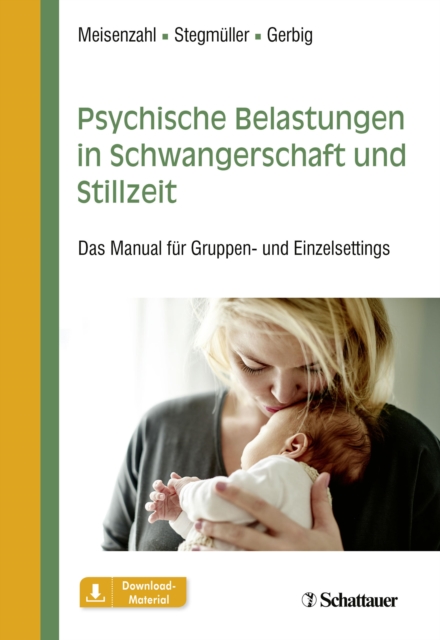
Hilfe für belastete Frauen in Schwangerschaft und Postpartalzeit- Angesprochen sind: Alle, die eine Gruppe für Schwangere und Mütter anbieten wollen - von der ÄrztIn und PsychotherapeutIn bis zur Hebamme und BeraterIn- In die Zukunft gedacht: Psychoedukation von Müttern ebnet den Weg für eine sichere Bindung und eine bessere psychische Gesundheit für Mutter und Kind sowie die gesamte Familie- Niederschwellig: Einmal die Woche à 90 Minuten am besten in der Gruppe, um fehlende soziale Kontakte auszugleichen- Hilfe durch: Stabilisierung, Wissensvermittlung und EntlastungBevorzugt im Gruppensetting, aber auch in Einzelsitzungen, lernen Frauen Bewältigungsstrategien sowie mögliche Hilfen im Alltag kennen.
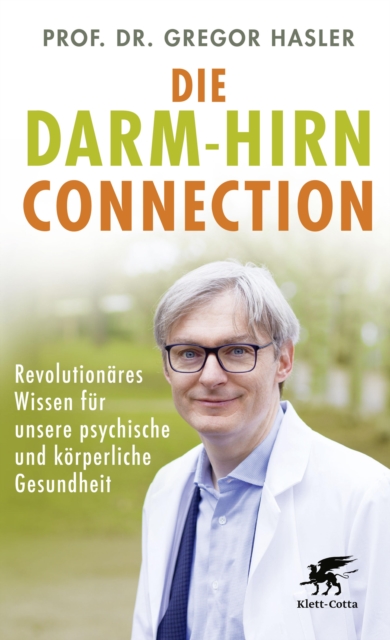
Der Bestseller – jetzt komplett überarbeitet- Aktueller Stand der Wissenschaft: Spannende neue Erkenntnisse über das Mikrobiom- Glücksfaktor: Ein gesunder Darm schafft psychisches Wohlbefinden- Expertise: Der Spezialist für die Darm-Hirn-Forschung» .
Dieses Buch untersucht Narzissmus als klinisches und gesellschaftliches Phänomen im Zeitalter von Internet und Social Media sowie dessen Auswirkungen auf Liebesbeziehungen, Sexualität, Freundschaft, Familie und auch Politik.
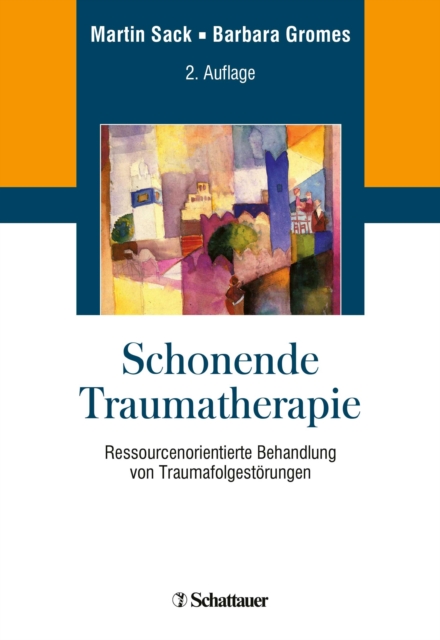
Schonend und effektiv – ein neuer Ansatz in der Behandlung von TraumafolgestörungenDie Arbeit an traumatischen Erinnerungen ist häufig eine große Herausforderung für Patienten und Therapeuten.