A practice-oriented desktop reference for medical professionals, toxicologists and pharmaceutical researchers, this handbook provides systematic coverage of the metabolic pathways of all major classes of xenobiotics in the human body.
This first book to provide a comprehensive overview of the recent progress made in this break-through approach includes expert contributions from a variety of disciplines.
The only comprehensive overview of the molecular basis and clinical features of the genetic disorder tuberous sclerosis, which affects approximately 50,000 people in the US alone.
By covering the full spectrum of topics relevant to peptidic drugs, this timely handbook serves as an introductory reference for both drug developers and biomedical researchers interested in pharmaceutically active peptides, presenting both the advantages and challenges associated with this molecular class.
Written by a leading expert on Aspirin-related research, this is the first comprehensive treaty of the history, pharmacological effects and clinical applications of one of the most successful drugs ever.
Written in a clear and concise style by an experienced author, this attractively-priced book covers regulatory affairs in all major global markets for pharmaceuticals and medical devices, making it the most comprehensive in its field.
Discussing all aspects of chronic pain management, this is the second volume of the new book series on health care and disease management, published with the Institute of Health Economics (IHE) in Edmonton, Canada.
Clearly divided into three sections on the interface influence of materials and surface modifications, the physical and physicochemical surface characterization, and the biological characterization of the interface and biosystem reactions, this book is the first to concentrate on the highly important area of metal-based implants and their improved functionality and acceptance by the body.
With contributions from leading scientists around the world, this is the first book focussing on the analysis of nerve cell damage and repair using genomics, transcriptomics, proteomics and systems biology in order to develop novel therapeutic and diagnostic approaches for neural diseases.
This practice-oriented handbook surveys current knowledge on the prediction and prevention of adverse drug reactions related to off-target activity of small molecule drugs.
At the invitation of the Deutsche Forschungsgemeinschaft (DFG), a round-table discussion was held on 9 and 10 March 2000, dealing with future possibilities for biomonitoring in occupational and environmental medicine.
This concise yet comprehensive treatment of the effects of spaceflight on biological systems includes issues at the forefront of life sciences research, such as gravitational biology, immune system response, bone cell formation and the effects of radiation on biosystems.
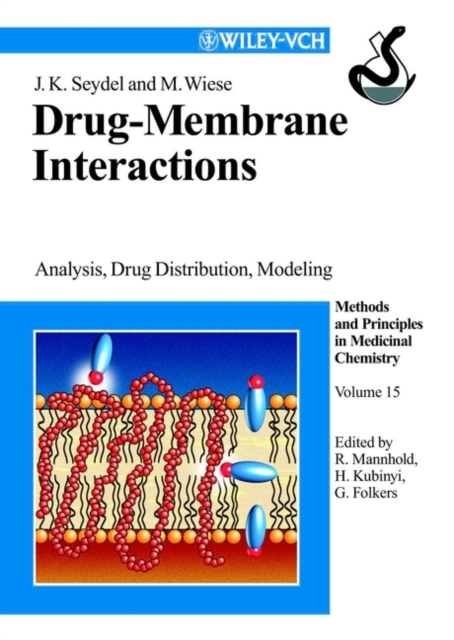
Barrier, reservoir, target site - those are but some of the possible functions of biological lipid membranes in the complex interplay of drugs with the organism.
This work represents the first comprehensive publication in the innovative field of pharmacogenomics, a field which is set to revolutionize pharmaceutical research.
In keeping with the outstanding importance of lipophilicity in biosciences, this volume examines all its facets in more than twenty contributions from leading experts.
Since the development of the NMR spectrometer in the 1950s, NMR spectra have been widely used for the elucidation of the 2D structure of newly synthesized and natural compounds.
This is the first book specializing in plasmids and their biomedical use, including all relevant aspects of production, applications, quality, and regulations.
This handbook provides a comprehensive overview for students, clinicians and researchers planning to enter the field of neural regeneration, combining the latest knowledge with an understanding of all important model organisms in one handy volume.
This timely and original handbook paves the way to success in plant-based drug development, systematically addressing the issues facing a pharmaceutical scientist who wants to turn a plant compound into a safe and effective drug.
This book is the first to address the most urgent issues, combining a solid basic research approach with applied individual and stress issues, including interventions.
Divided into the three main sections of synthesis, analysis and drug development, this handbook covers all stages of the drug development process, including large-scale synthesis and purification of chirally pure pharmaceuticals.
In this new edition of a bestseller, all the contents have been updated and new material has been added, especially in the areas of toxicity testing and high throughput analysis.
This first book to cover neural development, neuronal survival and function on the genetic level outlines promising approaches for novel therapeutic strategies in fighting neurodegenerative disorders, such as Alzheimer's disease.
This novel, multidisciplinary handbook highlights recent evidence that antigen presenting cells (APCs) are not only key players in the initiation or prevention of an antigen-specific T lymphocyte-mediated adaptive immune response, but also critical regulators and integrators in the interplay between our innate and adaptive immune system.
With its focus on industrial pharmaceutical research, written by international experts from the industry, this book fills in a gap in the existing literature.
This publication presents the structure and function of biological membranes to improve the understanding of cells in both normal and pathogenic states.
This book is the first of its kind in the field of protein microarrays and addresses novel strategies for constructing highly functional and biocompatible microarrays for screening proteins.