This book highlights the progresses achieved in the role of nurses in the hospital, critical care unit, community field, hospital, and at home for patient care management in SARS-CoV-2 (COVID-19), especially in the South Asia and the Middle East.
Bringing together recent international research in the field of hospital communication and interaction, the contributors to this book contextualize clinical professional work by focussing on the rising intensity of information and communication practices in organizations generally, and in health care in particular.
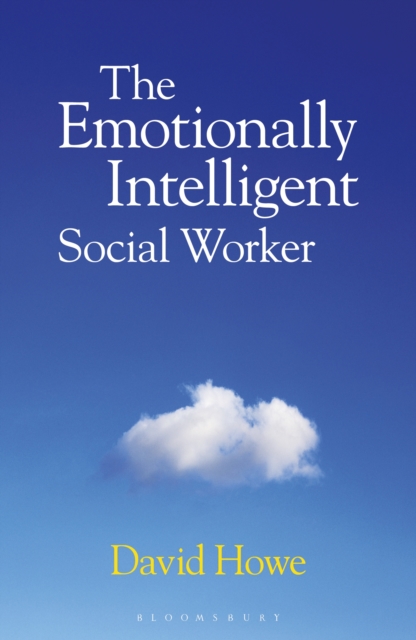
Winner of the CHOICE Outstanding Academic Titles, this key textbook offers an insight on the theory of emotional intelligence and its vital practical value.
This book provides a multi-disciplinary framework for developing and analyzing health sector reforms, based on the authors' extensive international experience.
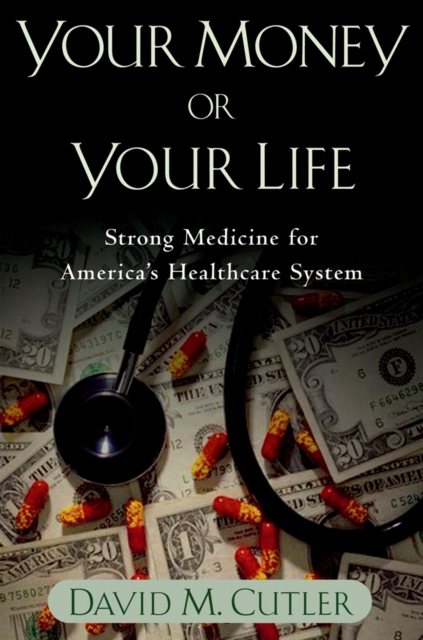
The problems of medical care confront us daily: a bureaucracy that makes a trip to the doctor worse than a trip to the dentist, doctors who can't practice medicine the way they choose, more than 40 million people without health insurance.
Mental Health Informatics offers a comprehensive examination of contemporary issues in mental health that focuses on the innovative use of computers and other information technology in support of patient care, education, services delivery, and research in the field of mental health services.
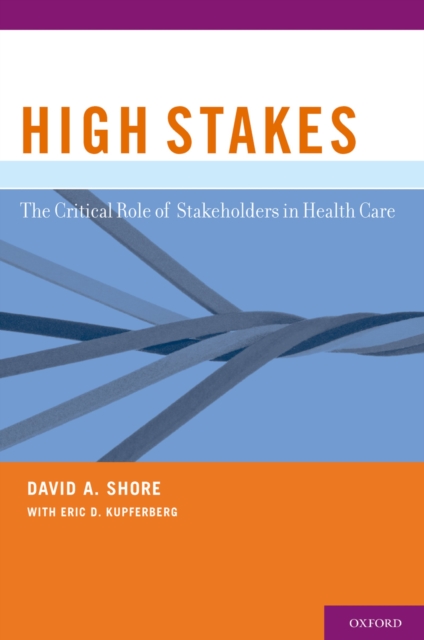
This book offers health care leaders the necessary tools to both map their current stakeholder relationships and fashion concrete steps to produce greater stakeholder engagement, collaboration, and cooperative competition.
This book provides a multi-disciplinary framework for developing and analyzing health sector reforms, based on the authors' extensive international experience.
The relationship between hospitals and the environment is defined by a glaring contradiction: as health care facilities deliver care at any cost, their environmental footprint -- pollution, waste production, unsustainable food services -- contributes to harming community health.
The relationship between hospitals and the environment is defined by a glaring contradiction: as health care facilities deliver care at any cost, their environmental footprint -- pollution, waste production, unsustainable food services -- contributes to harming community health.
The problems of medical care confront us daily: a bureaucracy that makes a trip to the doctor worse than a trip to the dentist, doctors who can't practice medicine the way they choose, more than 40 million people without health insurance.
Structured clinical management (SCM) is a unified approach to the treatment of people with personality disorder, which is within reach of general mental health professionals without extensive additional training.
Structured clinical management (SCM) is a unified approach to the treatment of people with personality disorder, which is within reach of general mental health professionals without extensive additional training.
Screening programmes involve the systematic offer of testing for populations or groups of apparently healthy people to identify individuals who may be at future risk of a particular medical condition or disease, with the aim of offering intervention to reduce their risk.
Screening programmes involve the systematic offer of testing for populations or groups of apparently healthy people to identify individuals who may be at future risk of a particular medical condition or disease, with the aim of offering intervention to reduce their risk.
In order to provide sound, person-centred care, mental health nursing students need a thorough understanding of theory alongside the ability to translate this knowledge into practice.
The Modernization of the Nursing Workforce: Valuing the healthcare assistant is based on recently completed research exploring the role of healthcare assistants (HCA) in acute hospitals.
The Modernization of the Nursing Workforce: Valuing the healthcare assistant is based on recently completed research exploring the role of healthcare assistants (HCA) in acute hospitals.
Over the last thirty years, scholars of health care organizations have been searching for concepts and images to illuminate their underlying, and shifting, modes of organizing.
This book provides the reader with a comprehensive set of instructions and examples of how to perform a cost-benefit analysis (CBA) of a health intervention.
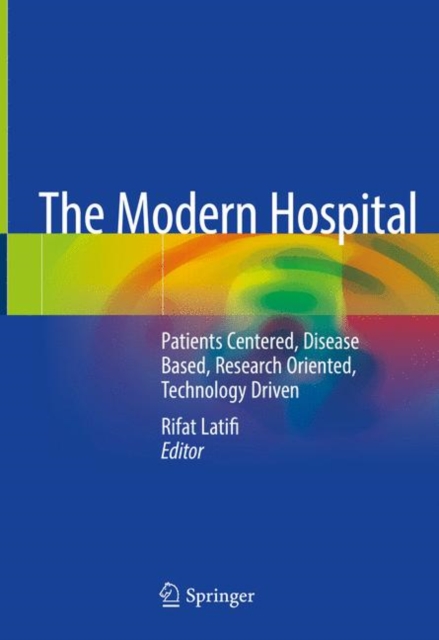
The rapidly growing developments in medicine and science in the last few decades has evoked a greater need for modern institutions, with modern medicine, advanced technologies, and cutting edge research.
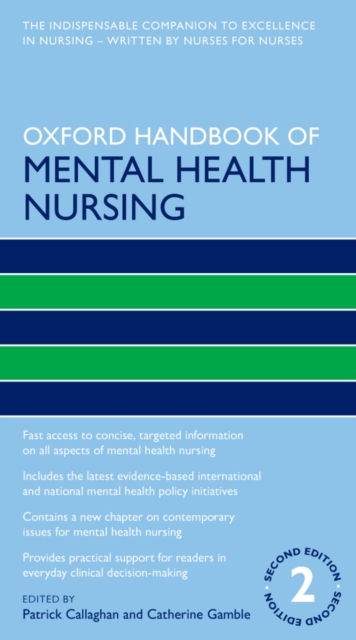
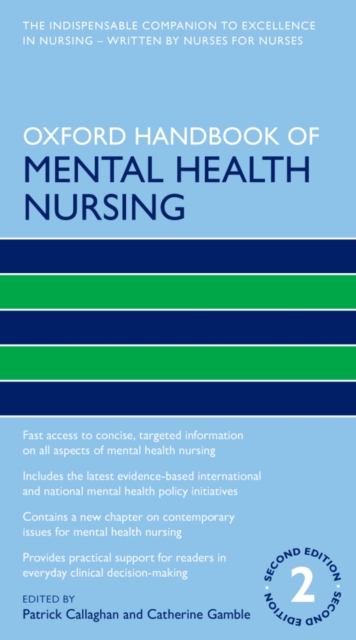
Fully revised for its second edition, the Oxford Handbook of Mental Health Nursing is the indispensable resource for all those caring for patients with mental health problems.
There are not enough resources in health care systems around the world to fund all technically feasible and potentially beneficial health care interventions.
Clinical Governance is integral to healthcare and all doctors must have an understanding of both basic principles, and how to apply them in daily practice.
Fully revised for its second edition, the Oxford Handbook of Mental Health Nursing is the indispensable resource for all those caring for patients with mental health problems.
This book provides the reader with a comprehensive set of instructions and examples of how to perform a cost-benefit analysis (CBA) of a health intervention.