It is clear that many fascinating problems still remain to be addressed in parasite transmission modelling, from better understanding of transmission processes and natural history of infection to investigating the impact of ecological and spatial scales, climate change, host immunity and social behaviour, parasite-host evolutionary dynamics and parasite community ecology on parasite transmission.
In the 8 years since the publication of the first edition of Essentials of Anatomic Pathology, great strides have been made in our understanding of diseases and neoplastic processes.
The microbial world has given us many surprises including microbes that grow under extremely harsh conditions (122C at 40 MPa), novel metabolisms such as the uranium and perchlorate reduction, and novel chemicals that can be used to control diseases.
In Fragile X-Associated Tremor Ataxia Syndrome (FXTAS), the editors present information on all aspects of FXTAS, including clinical features and current supportive management, radiological, psychological, and pathological findings, genotype-phenotype relationships, animal models and basic molecular mechanisms.
The advancement of science is ever more contingent upon the interaction of experts vast amount of scientific information being gathered every day that exceeds the ability of any one scientist to acquire.
view, showing that multiple molecular pathways must be affected for cancer to develop, but with different specific proteins in each pathway mutated or differentially expressed in a given tumor (The Cancer Genome Atlas Research Network 2008; Parsons et al.
It is a tragic paradox of American health care: a system renowned for world-class doctors, the latest medical technologies, and miraculous treatments has shocking inadequacies when it comes to the health of the urban poor.
The vast expansion in research on tumorigenesis has greatly increased our understanding of tumor development in patients with inherited endocrine tumor syndromes.
Forkhead Transcription Factors: Vital Elements in Biology and Medicine provides a unique platform for the presentation of novel work and new insights into the vital role that forkhead transcription factors play in multiple systems throughout the body.
A Practical Guide to Frozen Section Technique offers an easy to learn approach to frozen section technique in the form of a highly illustrated handbook intended for onsite use in the laboratory.
Metal ions in biology is an ever expanding area in science and medicine involving metal ions in proteins and enzymes, their biosynthesis, catalysis, electron transfer, metal ion trafficking, gene regulation and disease.
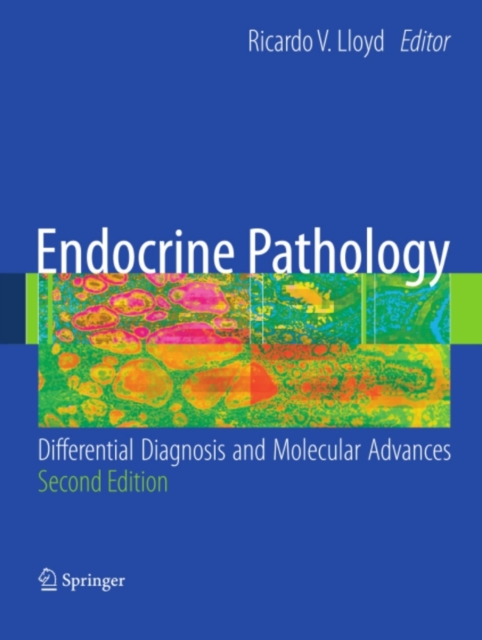
Endocrine Pathology: Differential Diagnosis and Molecular Advances, Second Edition provides detailed coverage of endocrine pathology with extensive discussion of the differential diagnosis as well as presentation of molecular pathobiology of the major endocrine organs.
Physics and the life sciences have established new connections within the past few decades, resulting in biological physics as an established subfield with strong groups working in many physics departments.
Focusing on practical, patient related issues, this volume provides the basic concepts of Evidence Based Medicine (EBM) as they relate to Pathology and Laboratory Medicine and presents various practical applications.
Target pattern recognition in innate immunity is responsible for the immediate, usually protective, responses shown against invading microorganisms, and it is the principal feature of self and non-self recognition by virtue of the recognition of structures on the microbial pathogens, which are not found on host cells.
v(D)J recombination: for the community of immunologists and developmental biologists, the molecular route by which B and T lymphocytes acquire their unique function of affording adaptive immunity.
The culmination of 30 years of research and experience in T-cell-based cancer, this book highlights and evaluates new treatments that harness the power of the T cell to attack and kill all cancer cells in our bodies.
Design and Analysis of Cross-Over Trials is concerned with a specific kind of comparative trial known as the cross-over trial, in which subjects receive different sequences of treatments.
Many practitioners in the pharmaceutical industry are still largely unfamiliar with benefit-risk assessment, despite its growing prominence in drug development and commercialization.
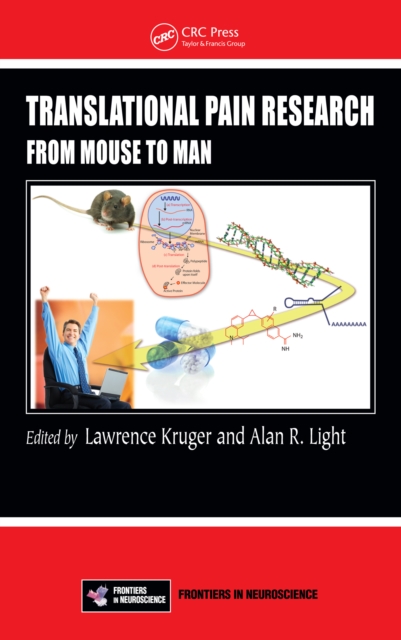
One of the Most Rapidly Advancing Fields in Modern Neuroscience The success of molecular biology and the new tools derived from molecular genetics have revolutionized pain research and its translation to therapeutic effectiveness.
Much as it is with the nation's overall healthcare system, the survival of academic medical centers (AMC's) is threatened by a combination of economic, cultural, and demographic factors.
As the development of medicines has become more globalized, the geographic variations in the efficacy and safety of pharmaceutical products need to be addressed.
In clinical trial practice, controversial statistical issues inevitably occur regardless of the compliance with good statistical practice and good clinical practice.
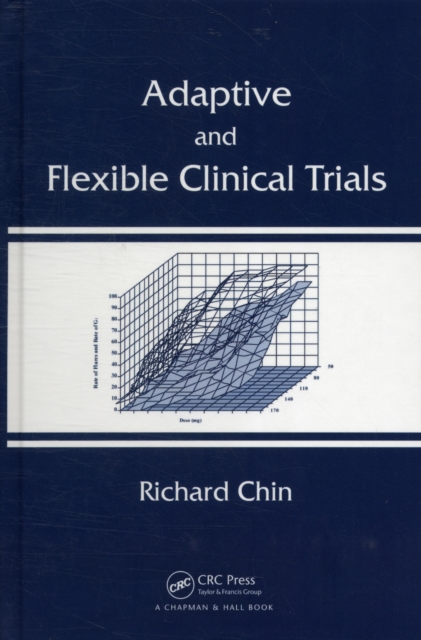
Adaptive clinical trial designs, unlike traditional fixed clinical trial designs, enable modification of studies in response to the data generated in the course of the trial.
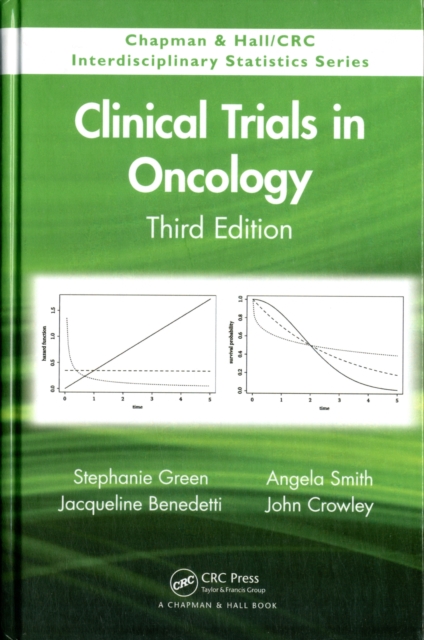
The new edition of the bestselling Clinical Trials in Oncology provides a concise, nontechnical, and now thoroughly up-to-date review of methods and issues related to clinical trials.
One of the Most Rapidly Advancing Fields in Modern Neuroscience The success of molecular biology and the new tools derived from molecular genetics have revolutionized pain research and its translation to therapeutic effectiveness.
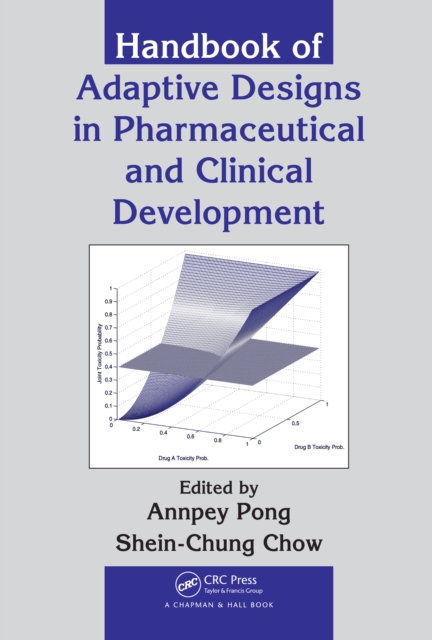
In response to the US FDA's Critical Path Initiative, innovative adaptive designs are being used more and more in clinical trials due to their flexibility and efficiency, especially during early phase development.
Nonpharmacological treatments include a wide variety of treatments such as surgery, technical procedures, implantable and non-implantable devices, rehabilitation, psychotherapy, and behavioral interventions.
With laboratory animals, especially rabbits, playing such an important role in biomedical research, the humane care of these animals is an ongoing concern.
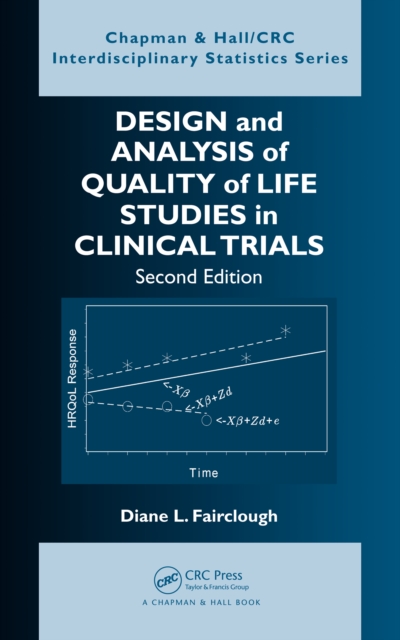
Design Principles and Analysis Techniques for HRQoL Clinical TrialsSAS, R, and SPSS examples realistically show how to implement methods Focusing on longitudinal studies, Design and Analysis of Quality of Life Studies in Clinical Trials, Second Edition addresses design and analysis aspects in enough detail so that readers can apply statistical meth