The Practical Guide to Clinical Research and Publication provides a comprehensive overview of the key foundations of epidemiology, statistics and epidemiological studies.
Probiotics in The Prevention and Management of Human Diseases: A Scientific Perspective addresses the use of probiotics and their mechanistic aspects in diverse human diseases.
Food Lipids: Sources, Health Implications, and Future Trends presents specific and updated details related to human health and emerging technologies to obtain valuable lipids and lipid analysis of food products.
Roselle (Hibiscus sabdariffa) Chemistry, Production, Products, and Utilization assesses the Hibiscus sabdariffa plant for food and nonfood uses, as well as for its use as fixed or essential oils.
This image-rich book explores the practice as well as the theory of visual representation and presents us with the importance of designing appropriate images for communication to specific target audiences.
In the age of "e;publish or perish,"e; this book provides everything one needs to know about conducting research and successfully publishing it in a scientific journal.
Electricity and Magnetism (E&M) underlies many lifesaving medical devices, such as magnetic resonance imaging scanners, neural stimulators, and heart pacemakers.
Nutrition and Bariatric Surgery discusses nutritional deficiencies and requirements that are often present with diverse bariatric techniques as main mechanisms for weight loss.
High Oleic Oils: Development, Properties and Uses is the first complete reference to address practical applications for this new and dynamic category of fats and oils that are essentially replacing partially hydrogenated oils in various food and nonfood uses.
This volume of the Handbook of Experimental Pharmacology, which celebrated its 100th anniversary in 2019, addresses the rapidly growing and evolving field of metabolomics.
As the drug discovery process shifts more and more toward specifically targeting pathways and molecules, model systems continue to increase in importance, and the mouse, with its versatility, ease of use, and remarkable similarity to the human genome, has clearly risen to the forefront of animal model studies.
This book focuses on the challenges to biomedical education posed by the lockdowns and restrictions to on campus teaching brought about by the COVID-19 pandemic and highlights the tools and digital visualization technologies that have been successfully developed and used for remote teaching.
Early detection of cancer at the cellular level, even before anatomic anomalies are visible, is critical to more efficacious and cost effective diagnosis and therapeutic advances.
Diet, Inflammation, and Health introduces concepts of inflammation, the role of acute inflammatory responses in good health, and the association of chronic systemic inflammation with mental distress, cognitive decline, and chronic diseases, ranging from diabetes to cardiovascular diseases, stroke, and cancer.
The book is an update on contentious or unsettled issues concerning invasive diagnostic and therapeutic challenges in cancer and related disorders, focusing on the surgical approach.
This book provides a scientific and ethical approach to all forms of fraud and misconduct focusing on a scholarly however practice-oriented description of the problems, roots and potential solutions.
The book synthesizes research on the analysis of biomedical ontologies using formal concept analysis, including through auditing, curation, and enhancement.
Aggregates of the TAR DNA binding protein 43 (TDP-43), are hallmark features of the neurodegenerative diseases Amyotrophic Lateral Sclerosis (ALS) and frontotemporal dementia (FTD), with overlapping clinical, genetic and pathological features.
Gastronomy and Food Science fills the transfer knowledge gap between academia and industry by covering the interrelation of gastronomy and food and culinary science in one integral reference.
Neural Repair and Regeneration after Spinal Cord Injury and Spine Trauma provides readers with a comprehensive overview on the most up-to-date strategies to repair and regenerate the injured spinal cord following SCI and spine trauma.
Present Knowledge in Nutrition, Eleventh Edition, provides an accessible, highly readable, referenced, source of the most current, reliable, and comprehensive information in the broad field of nutrition.
This book provides a comprehensive overview of the multifaceted field of protease in the cellular environment and focuses on the recently elucidated functions of complex proteolytic systems in physiology and pathophysiology.
Proteins: Sustainable Source, Processing and Applications addresses sustainable proteins, with an emphasis on proteins of animal origin, plant-based and insect proteins, microalgal single cell proteins, extraction, production, the stability and bioengineering of proteins, food applications (e.
Developed for academic researchers and for those who work in industry, Present and Future of High Pressure Processing: A Tool for Developing Innovative, Sustainable, Safe, and Healthy Foods outlines innovative applications derived from the use of high-pressure processing, beyond microbial inactivation.
Trends in Personalized Nutrition explores the topic of personalized nutrition from multiple angles, addressing everything from consumer acceptance, to policies and cognitive dissonance.
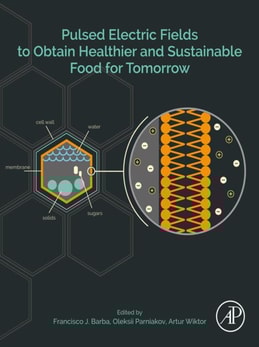
Pulsed Electric Fields to Obtain Healthier and Sustainable Food for Tomorrow illustrates innovative applications derived from the use of pulsed electric fields beyond microbial inactivation.
Divided into five sections, Agri-Food Industry Strategies for Healthy Diets and Sustainability: New Challenges in Nutrition and Public Health provides an overview of the challenges and future perspectives related to nutrition, public health, and sustainability.
Biomarkers for Traumatic Brain Injury provides a comprehensive overview on the selection and implementation of serum-based and saliva-based biomarkers for traumatic brain injury.
A single trial is complex, with numerous regulations, administrative processes, medical procedures, deadlines and specific protocol instructions to follow.
This book offers an updated review of malignant mesothelioma, including the latest advances in our understanding of its genetic control and molecular biology, as well as pre-clinical and clinical research.
The third edition of this innovative work again provides a unique perspective on the clinical discovery process by providing input from experts within the NIH on the principles and practice of clinical research.
The 1st edition of Error Reduction and Prevention in Surgical Pathology was an opportunity to pull together into one place all the ideas related to errors in surgical pathology and to organize a discipline in error reduction.
This volume provides an integrated account of our current understanding of the functions of D-type cyclins during development and tumorigenesis, with special emphasis on the kinase-independent functions of these proteins.
Curcumin for Neurological and Psychiatric Disorders: Neurochemical and Pharmacological Properties focuses on the different molecular mechanisms underlying curcumin-mediated beneficial effects in neurological diseases.
Photobiomodulation in the Brain: Low-Level Laser (Light) Therapy in Neurology and Neuroscience presents the fundamentals of photobiomodulation and the diversity of applications in which light can be implemented in the brain.
This book discusses the pathology of the retina, and reviews current research on the use of cell replacement therapy and short peptides to restore functional activity in retinal neurons.
This book offers a comprehensive exploration of research on the essential relationship of the coenzyme Q10 and the process of aging in living organisms.