This concise e-book provides clinicians as well as administrative personnel involved in clinical research with an understanding of documentation related to clinical trial monitoring activities at each stage of the study from planning and set up, through conduct and close-out.
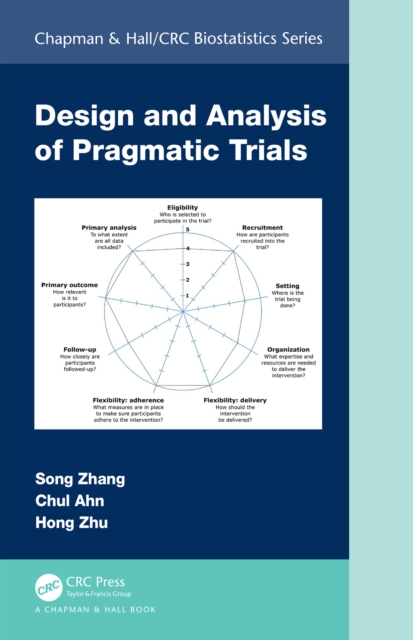
This book begins with an introduction of pragmatic cluster randomized trials (PCTs) and reviews various pragmatic issues that need to be addressed by statisticians at the design stage.
Scientific, evidence-based medicine is increasingly seen as fundamental to providing effective healthcare, but narrative-based medicine sheds light on social and interpersonal aspects of the practitioner-patient interaction which can also greatly affect healthcare outcomes.
Cardiovascular and metabolic diseases remain the number one cause of death in developed countries and their prevalence is increasing rapidly in developing nations.
Cardiovascular and metabolic diseases remain the number one cause of death in developed countries and their prevalence is increasing rapidly in developing nations.
Despite improvements in strategies for early detection and cancer treatment, racial and ethnic groups and individuals from other medically underserved populations continue to experience disparities in cancer morbidity and mortality.
This pioneering handbook serves as an essential tool for any biobanking entity to create, implement and continuously improve their Quality Management System (QMS).
This valuable new book, Handbook of Research on Medicinal Chemistry: Innovations and Methodologies, presents some of the latest advancements in the various fields of combinatorial chemistry, drug discovery, biochemical aspects, pharmacology of medicinal agents, current practical problems, and nutraceuticals.
A page-turning and powerful medical mystery for readers of Diagnosis by Lisa Sanders and The Beauty in Breaking by Michele HarperMore than 20 million Americans have autoimmune diseases, which occur when the immune system attacks the body.
Drawing on the statistical and philosophical expertise of its authors, this book is designed to improve understanding and use of randomised controlled trials (RCTs) among health professionals.
The book, emanating from ground-breaking research, is authored by Dr Ganbawale, one of the bright young Homoeopathy professionals of the country possessing an analytical mind set.
Pediatric Neoplasia: Advances in Molecular Pathology and Translational Medicine presents many of the major, relevant advances in molecular pathology that are occurring in the field of pediatric oncology and will serve as a useful overview for resident and attending physicians as well as scientists interested in understanding the molecular pathology of pediatric cancer in the context of clinical medicine.
Molecular Typing in Bacterial Infections covers common bacterial pathogenic agents, with the most effective methods for their identification and classification in the light of their specific epidemiology.
Juvenile homicide and fatal maltreatment remain serious and pervasive problems in the developed world and especially in the United States, where in 2005 some 1,500 children died from neglect and physical abuse.
This illustrated guide to the role of the forensic anthropologist in investigating child abuse is an essential resource in one of the most contentious areas of forensic pathology.
Molecular and Translational Vascular Medicine will serve as a state-of-the-art resource for physicians and translational medical researchers alike who are interested in the rapidly evolving field of vascular medicine.
Translational Cardiology: Molecular Basis of Cardiac Metabolism, Cardiac Remodeling, Translational Therapies and Imaging Techniques provides an up-to-date introduction to the role circadian rhythms, cardiac plasticity, and mechanotransduction play in the heart, while at the same time introducing new developments in cellular, viral, and non-biologic therapies that are in the process of being developed.
Chronic diseases are the leading cause of deaths worldwide and according to the World Economics Council and the Harvard School of Public Health, the cost of chronic diseases is expected to reach a staggering 48% of global gross domestic product by the year 2030.
Biotargets of Cancer in Current Clinical Practice presents an updated and reasoned review of the current status of knowledge concerning the major cancer types with a special focus on the current biomarkers, genes involved and the potential future targets of innovative therapies.
Genetic testing has become commonplace, and clinicians are frequently able to use knowledge of an individual's specific genetic differences to guide their course of action.
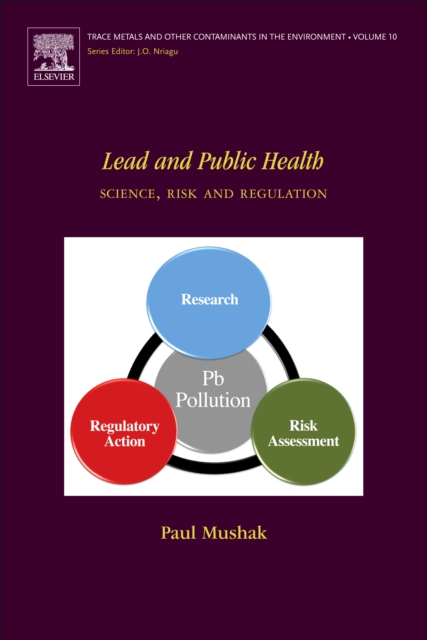
The book presents a detailed assessment of the health science of lead and the human health risk assessment models for lead's human health impacts, followed by an account of various regulatory efforts in the United States and elsewhere to eliminate or reduce human toxic exposures to lead.
No matter where you are in treatment, what side effects you may be experiencing, or your general fitness level, Pilates is a safe and effective way to help you regain flexibility, power, and endurance while relieving treatment side effects such as lymphedema, fatigue, depression, peripheral neuropathy, osteoporosis, and upper extremity impairment.
Filled with practical tips, resources and personal stories, an empowering and candid guide to dealing with cancer as a single person/p> Diagnosed with a rare form of ovarian cancer seven years ago, Tracy Maxwell understands the unique swirl of hopes and fears, insecurities and triumphs of a single person with cancer.
With over 80 information-packed chapters, Handbook for Clinical Research delivers the practical insights and expert tips necessary for successful research design, analysis, and implementation.
Exercise Genomics encompasses the translation of exercise genomics into preventive medicine by presenting a broad overview of the rapidly expanding research examining the role of genetics and genomics within the areas of exercise performance and health-related physical activity.
While the basic principles of personalized medicine and pharmacogenomics has been covered by numerous texts, there are none to date that focuses on the specific tests themselves that are in current clinical practice and those that are being proposed for implementation in the near future.
Ischemic brain damage represents a major source of morbidity and mortality in westernized society and poses a significant financial burden on the health care system.
Hematopathology: Genomic Mechanisms of Neoplastic Diseases will keep physicians abreast of the rapid and complex changes in genomic medicine, as exemplified by the molecular pathology of hematologic malignancies.
Molecular Diagnostics in Dermatology and Dermatopathology presents the basics of molecular biology and molecular diagnostic methods most commonly used in the clinical laboratory, with an emphasis on the concepts and testing most relevant to dermatological diseases.
The role of free radicals and oxidative stress in neurological disorders has only recently been recognized, leaving clinical neurologists to seek in vain for information on the subject even in major textbooks.
Nanomedicine is clinical medicine with the application of nanobiotechnology, which is currently being used to research the pathomechanism of disease, refine molecular diagnostics, and aid in the discovery, development and delivery of drugs.
In keeping with goal and style of the Handbook in Modern Biophysics series, the proposed book will maintain a chapter structure that contains two parts: concepts and biological application.
Collecting an extensive amount of information from thousands of publications by leading investigators in this rapidly developing field, The Genetics and Molecular Biology of Neural Tumors provides a convenient and up-to-date one volume source for research in neural tumors of various cellular origins.