Drawing on years of significant scientific advances and clinical developments, the editors of POMO III have thoroughly updated the highly praised first and second editions and added new chapters to reflect the knowledge emerging from research on genomics, proteomics, chemoprevention strategies, new molecular targets, therapeutic monoclonal antibodies, and innovative cytotoxic and cytostatic small molecular-weight molecules.
Molecular Genetic Pathology presents up-to-date material containing fundamental information relevant to the clinical practice of molecular genetic pathology.
New discoveries in biology are occurring at an incredible rate, and with these discoveries arise nearly unimaginable opportunities in every area of human existence.
Biomedical Ethics Reviews * 1989 is the seventh volume in a series of texts designed to review and update the literature on issues of central importance in bioethics today.
The National Science Foundation, The National Institute of Occupational Safety and Health, and the Center for Technology and Humanities at Georgia State University sponsored a two-day national conference on Moral Issues and Public Policy Issues in the Use of the Method of Quantitative Risk Assessment ( QRA) on September 26 and 27, 1985, in Atlanta, Georgia.
A powerful collection of readily reproducible cutting-edge techniques for characterizing the ligand or substrate binding of neurotransmitter receptors and transporters.
Biomedical Ethics Reviews * 1987 is the fifth volume in a series of texts designed to review and update the literature on issues of central importance in bioethics today.
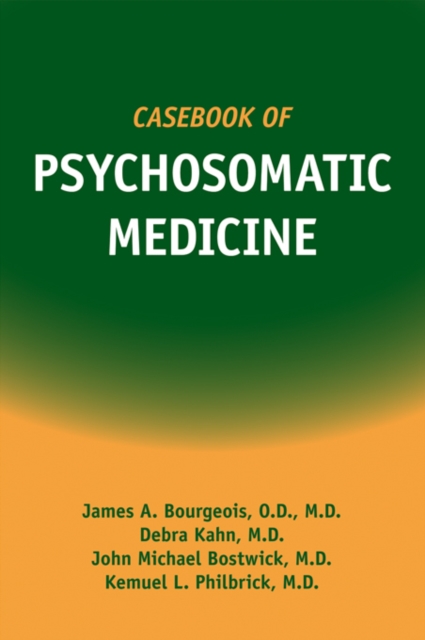
The practice of medicine is both learned and advanced through the compilation and study of cases -- vignettes that record the presentation, diagnosis, and treatment of individual patients and diseases.
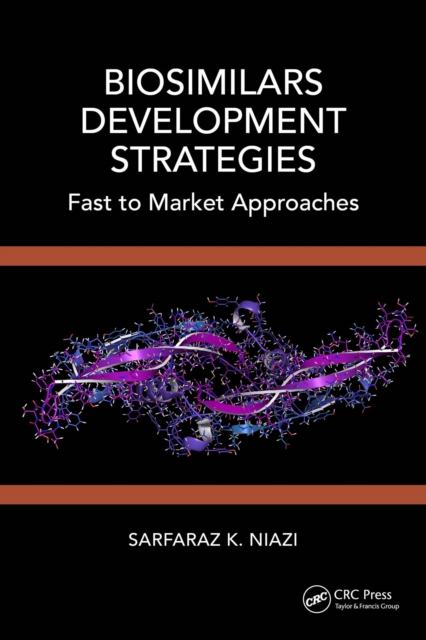
After 18 years since the first biosimilar was approved, a lot has changed, from the regulatory guidelines to the stakeholder perceptions about the safety and efficacy of biosimilars.
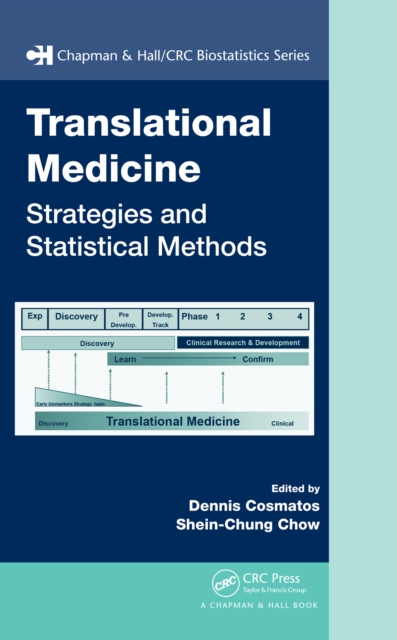
Examines Critical Decisions for Transitioning Lab Science to a Clinical SettingThe development of therapeutic pharmaceutical compounds is becoming more expensive, and the success rates for getting such treatments approved for marketing and to the patients is decreasing.
Now viewed as its own scientific discipline, clinical trial methodology encompasses the methods required for the protection of participants in a clinical trial and the methods necessary to provide a valid inference about the objective of the trial.
Useful Statistical Approaches for Addressing Multiplicity IssuesIncludes practical examples from recent trials Bringing together leading statisticians, scientists, and clinicians from the pharmaceutical industry, academia, and regulatory agencies, Multiple Testing Problems in Pharmaceutical Statistics explores the rapidly growing area of multiple comparison research with an emphasis on pharmaceutical applications.
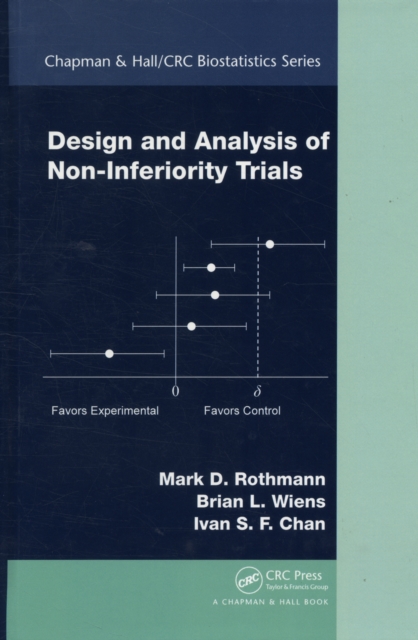
The increased use of non-inferiority analysis has been accompanied by a proliferation of research on the design and analysis of non-inferiority studies.
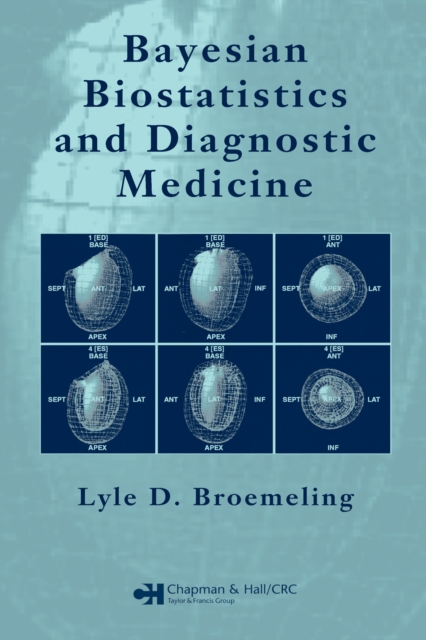
There are numerous advantages to using Bayesian methods in diagnostic medicine, which is why they are employed more and more today in clinical studies.
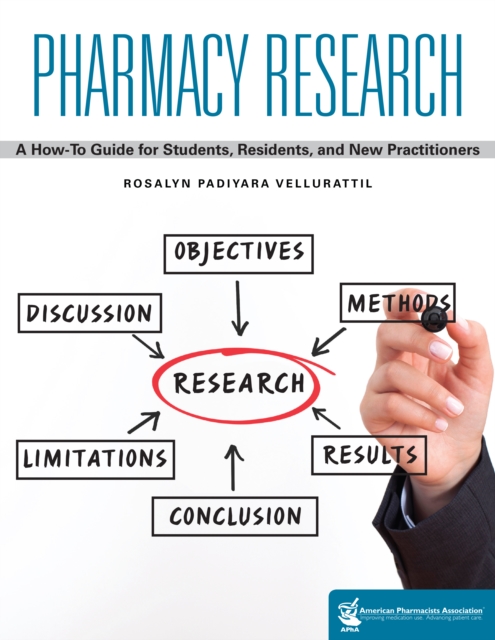
Pharmacy Research: A How-To Guide for Students, Residents, and New Practitioners provides an introduction to research methods and a foundation on which individual research practices can be built.
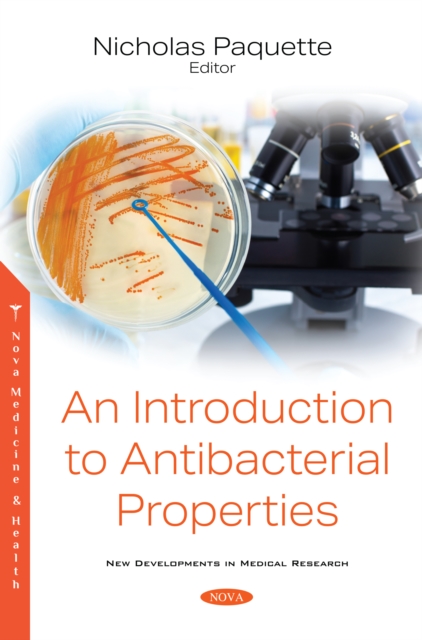
An Introduction to Antibacterial Properties provides an overview of the current antibacterial techniques and main strategies being employed for controlling the colonisation of bacteria on surfaces, together with the design of antibacterial surfaces and their fabrication techniques.
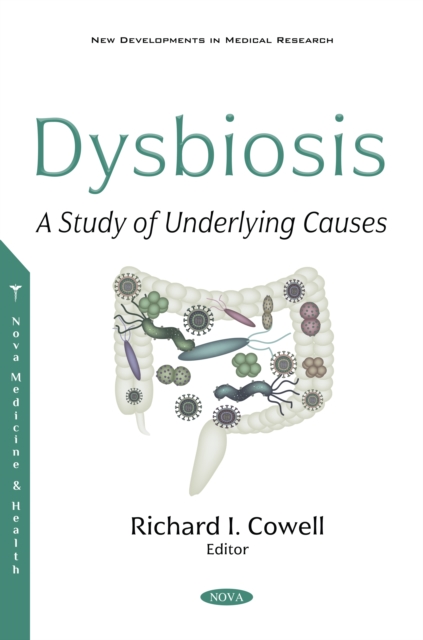
Dysbiosis: A Study of Underlying Causes includes studies aimed at determining design interventions in which the composition of microbiota may be modulated to achieve a specific microbial profile beneficial to overall host behavior.
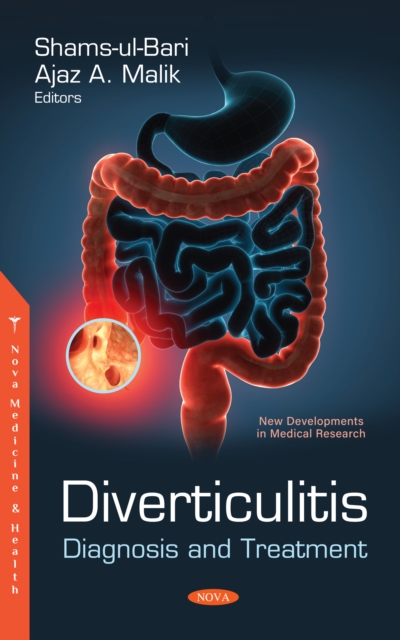
Over past several decades, an increasing number of cases of diverticulitis of colon have been reported making it a major health problem particularly in western countries.
Centuries ago, predicting was an enterprise entrusted to magic and fortune tellers, while today it is the domain of knowledge to which researchers and scientists contribute daily, analyzing and interpreting pathologies, trying to decode the complexity of life, represented by unresolved problems.
Instead of relying on prescription medications with numerous dangerous side effects, what if you could opt for a safer, natural alternative to address your health concerns?
The presented book is an easy-to-read and understandable text for experts in the medical field that are not familiar with the inorganic zeolite materials.
An Essential Guide to Astaxanthin: Dietary Sources, Properties and Health Benefits begins with a review of published studies regarding the efficacy and application of natural astaxanthin in aquaculture and human health, respectively.
This book attempts to address and answer questions about different types of disorders in particular developmental spheres in children with learning and behavioral problems.
In the opening chapter, authors discuss the current literature that describes the application of Palliative Medicine services in advanced cancer, models of Palliative Care delivery by site and mode of practice, cost-effectiveness of early Palliative Medicine referral patterns and national and international Palliative Medicine practice and referral guidelines.
Neurofeedback: Functions, Applications and Effects presents a number of possible applications for neurofeedback in offender treatment, including perpetuators of domestic violence and various other forms of violent and anti-social behavior, certain forms of sexually abusive behavior, and criminal behavior of an obsessive-compulsive nature.
The book entitled "e;Lactate Dehydrogenase (LDH): Biochemistry, Functions and Clinical Significance"e; provides a broad and authoritative review of the lactate dehydrogenase enzyme, including its isoforms, catalytic functions, distribution in various tissues, involvement in cancer cell metabolism and tumorigenesis, involvement in the plasmodium enzyme, various small molecule inhibitors of hLDHA and pfLDH, and clinical significance.
This book presents, in two parts, a review concerning the use of Rattus norvegicus as a model for the study of neurological disorders and oncological diseases (mammary cancer).
During the 115th Congress, several bipartisan bills were introduced that aimed to expand the number of telehealth services that are covered under Medicare.
This pioneering handbook serves as an essential tool for any biobanking entity to create, implement and continuously improve their Quality Management System (QMS).
Covering the entire research process - from understanding theory to writing up your project - this book provides you with an easy-to-follow introduction to qualitative methods in nursing and healthcare.
Covering the entire research process - from understanding theory to writing up your project - this book provides you with an easy-to-follow introduction to qualitative methods in nursing and healthcare.