In recent years, a tremendous amount of effort has been focused on better understanding the fundamentals of Alzheimer's disease (AD) to facilitate early and accurate diagnosis and appropriately targeted therapeutic treatments.
Providing up-to-date, practical advice on how to design, select, and structure telemedicine interventions with older adults, this book discusses the age-related changes that can affect the efficacy of these systems.
First introduced to biomedical research in 1980, the term biomarker has taken on a life of its own in recent years and has come to mean a number of things.
Capturing the growth of the global medical device market in recent years, this practical new guide is essential for all who are responsible for ensuring safety in the use and manufacture of medical devices.
Considering the fluid nature of nano breakthroughs-and the delicate balance between benefits and consequences as they apply to medicine-readers at all levels require a practical, understandable base of information about these developments to take greatest advantage of them.
Modern medical imaging and radiation therapy technologies are so complex and computer driven that it is difficult for physicians and technologists to know exactly what is happening at the point-of-care.
The new edition of the bestselling Clinical Trials in Oncology provides a concise, nontechnical, and now thoroughly up-to-date review of methods and issues related to clinical trials.
A practical road map to the key families of biomaterials and their potential applications in clinical therapeutics, Introduction to Biomaterials, Second Edition follows the entire path of development from theory to lab to practical application.
One of the Most Rapidly Advancing Fields in Modern Neuroscience The success of molecular biology and the new tools derived from molecular genetics have revolutionized pain research and its translation to therapeutic effectiveness.
Exploring the practical, entrepreneurial, and historical aspects of medical device development, this second edition of The Medical Device R&D Handbook provides a how-to guide for medical device product development.
Despite being recognized and fought against over countless centuries, human viral pathogens continue to cause major public health problems worldwide-killing millions of people and costing billions of dollars in medical care and lost productivity each year.
In response to the US FDA's Critical Path Initiative, innovative adaptive designs are being used more and more in clinical trials due to their flexibility and efficiency, especially during early phase development.
Given silicon's versatile material properties, use of low-cost silicon photonics continues to move beyond light-speed data transmission through fiber-optic cables and computer chips.
The first text to focus solely on quality and safety in radiotherapy, this work encompasses not only traditional, more technically oriented, quality assurance activities, but also general approaches of quality and safety.
Know What to Expect When Managing Medical Equipment and Healthcare Technology in Your OrganizationAs medical technology in clinical care becomes more complex, clinical professionals and support staff must know how to keep patients safe and equipment working in the clinical environment.
Nonpharmacological treatments include a wide variety of treatments such as surgery, technical procedures, implantable and non-implantable devices, rehabilitation, psychotherapy, and behavioral interventions.
Shaped by Quantum Theory, Technology, and the Genomics RevolutionThe integration of photonics, electronics, biomaterials, and nanotechnology holds great promise for the future of medicine.
Shaped by Quantum Theory, Technology, and the Genomics RevolutionThe integration of photonics, electronics, biomaterials, and nanotechnology holds great promise for the future of medicine.
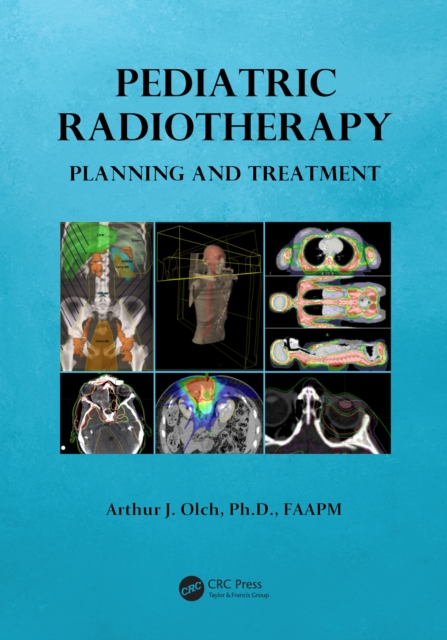
By becoming knowledgeable about optimal treatment methods designed specifically for childhood cancers, members of a radiotherapy team can help improve both pediatric cancer survival statistics and patients' quality of life.
With laboratory animals, especially rabbits, playing such an important role in biomedical research, the humane care of these animals is an ongoing concern.
Key features:Serves as the detailed, authoritative source of the clinical chemistry of the most commonly used laboratory animalsIncludes detailed chapters dedicated to descriptions of clinical chemistry-related topics specific to each laboratory species as well as organ/class-specific chaptersPresents information regarding evaluation and interpretation of a variety of individual clinical chemistry end pointsConcludes with detailed chapters dedicated to descriptions of statistical analyses and biomarker development of clinical chemistry-related topicsProvides extensive reference lists at the end of each chapter to facilitate further studyExtensively updated and expanded since the publication of Walter F.
10+ Years of Updates Since First EditionNewcomers to the animal clinical chemistry and toxicology fields quickly find that the same rules of human medicine do not always apply.
Bottom Line Information to Effectively Diagnose DisordersThe diagnosis, management, and clinical testing associated with old, traditional, and new endocrine disorders have seen numerous advances during the past 10 years since the publication of the previous edition of this bestselling resource.
In a carefully crafted, multidisciplinary, skillfully focused format, Polymers for Vascular and Urogenital Applications covers attributes of polymers used for vascular, urological, and gynecological materials.
Examines harmonization of the US Federal Food, Drug, and Cosmetic Act with international regulations as they apply to human drug and device development, research, manufacturing, and marketing.
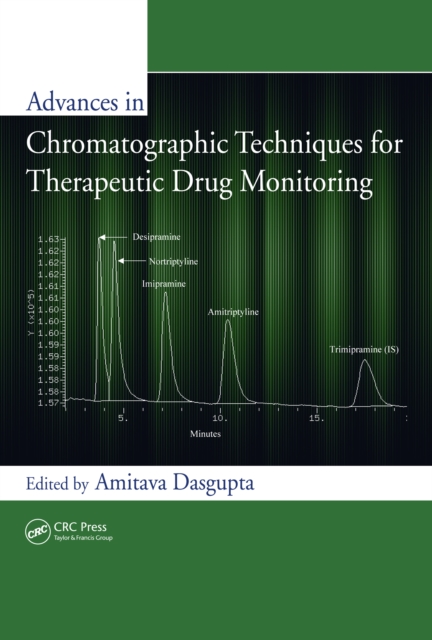
Advances in genomics and combinatorial chemistry during the past two decades inspired innovative technologies and changes in the discovery and pre-clinical development paradigm with the goal of accelerating the process of bringing therapeutic drugs to market.
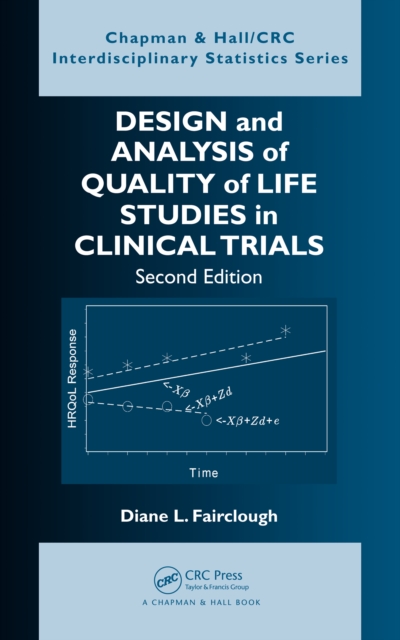
Design Principles and Analysis Techniques for HRQoL Clinical TrialsSAS, R, and SPSS examples realistically show how to implement methods Focusing on longitudinal studies, Design and Analysis of Quality of Life Studies in Clinical Trials, Second Edition addresses design and analysis aspects in enough detail so that readers can apply statistical meth
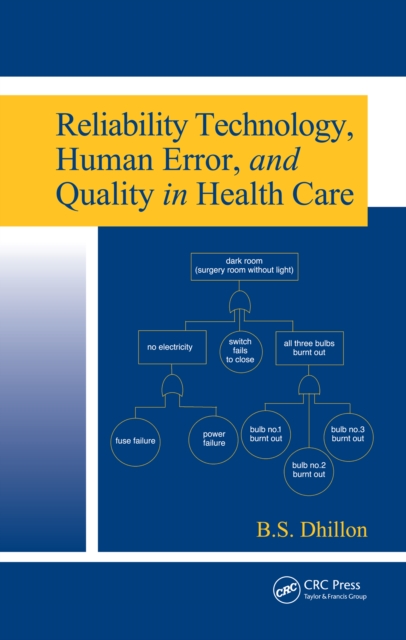
The effective and interrelated functioning of system reliability technology, human factors, and quality play an important role in the appropriate, efficient, and cost-effective delivery of health care.
A difficult and recalcitrant phenomenon, medical error causes pervasive and expensive problems in terms of patient injury, ineffective treatment, and rising healthcare costs.
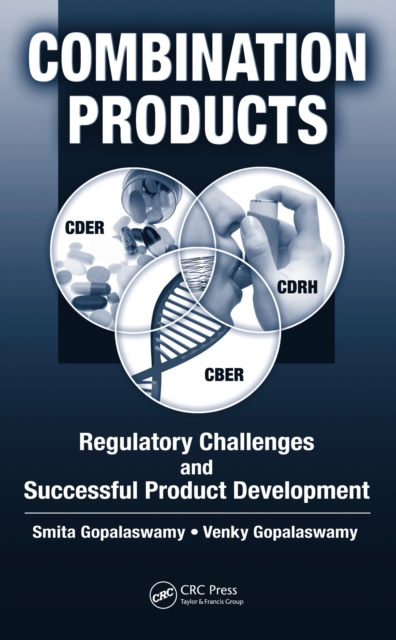
The field of combination product development (products born of the integration of medical devices, biologics, and drugs) is so new that, while literature abounds on each part individually, there are very few publications, including FDA documents, available concerning the unique challenges posed by this nascent but fast-growing area.
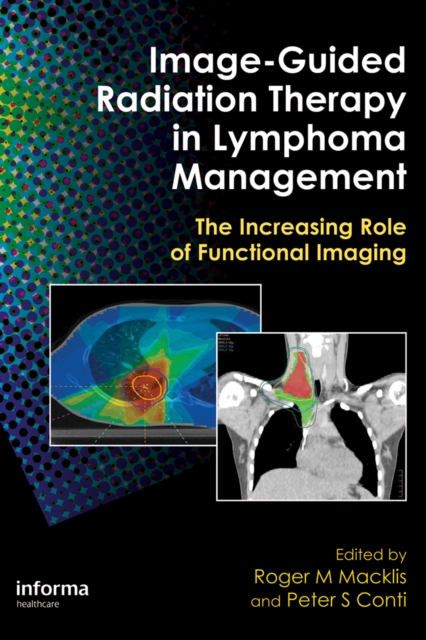
An ideal text for radiation oncologists, hematologist-oncologists, and radiologists, Image-Guided Radiotherapy and Functional Imaging in Modern Lymphoma Management is the foremost source for information on the increasingly important subject of image guided radiation therapy (IGRT) and its crucial role in the clinical evolution of high-precision ion