A Practical Guide to Frozen Section Technique offers an easy to learn approach to frozen section technique in the form of a highly illustrated handbook intended for onsite use in the laboratory.
Metal ions in biology is an ever expanding area in science and medicine involving metal ions in proteins and enzymes, their biosynthesis, catalysis, electron transfer, metal ion trafficking, gene regulation and disease.
Endocrine Pathology: Differential Diagnosis and Molecular Advances, Second Edition provides detailed coverage of endocrine pathology with extensive discussion of the differential diagnosis as well as presentation of molecular pathobiology of the major endocrine organs.
Physics and the life sciences have established new connections within the past few decades, resulting in biological physics as an established subfield with strong groups working in many physics departments.
Focusing on practical, patient related issues, this volume provides the basic concepts of Evidence Based Medicine (EBM) as they relate to Pathology and Laboratory Medicine and presents various practical applications.
Target pattern recognition in innate immunity is responsible for the immediate, usually protective, responses shown against invading microorganisms, and it is the principal feature of self and non-self recognition by virtue of the recognition of structures on the microbial pathogens, which are not found on host cells.
v(D)J recombination: for the community of immunologists and developmental biologists, the molecular route by which B and T lymphocytes acquire their unique function of affording adaptive immunity.
Poised to dramatically impact human health, biomedical microsystems (bioMEMS) technologies incorporate various aspects from materials science, biology, chemistry, physics, medicine, and engineering.
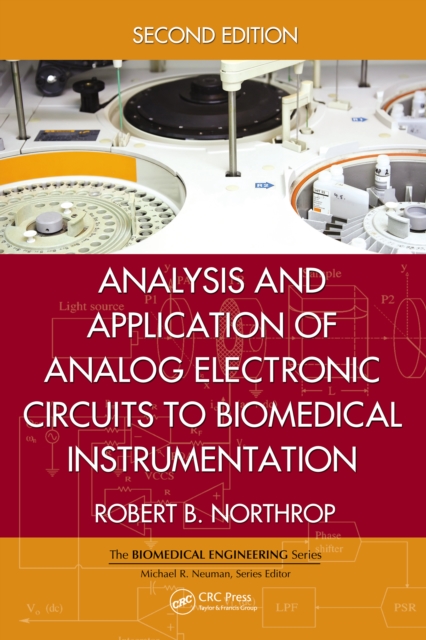
Analysis and Application of Analog Electronic Circuits to Biomedical Instrumentation, Second Edition helps biomedical engineers understand the basic analog electronic circuits used for signal conditioning in biomedical instruments.
Cardiovascular and Neurovascular Imaging: Physics and Technology explains the underlying physical and technical principles behind a range of cardiovascular and neurovascular imaging modalities, including radiography, nuclear medicine, ultrasound, and magnetic resonance imaging (MRI).
Since the discovery of transcranial magnetic stimulation (TMS) and transcranial electrical stimulation (tES), these non-invasive brain stimulation (NIBS) techniques have been used to investigate the state of cortical excitability, and the excitability of the cortico-cortical and corticospinal pathways.
With unintended harm during hospital care costing billions of dollars to the world economy, not to mention millions of deaths each year, it's no wonder the issue is equally front and center in the minds of healthcare providers and the public.
Due to the increasing number of digital mammograms and the advent of new kinds of three-dimensional x-ray and other forms of medical imaging, mammography is undergoing a dramatic change.
Medical Instruments and Devices: Principles and Practices originates from the medical instruments and devices section of The Biomedical Engineering Handbook, Fourth Edition.
Nanomedical Device and Systems Design: Challenges, Possibilities, Visions serves as a preliminary guide toward the inspiration of specific investigative pathways that may lead to meaningful discourse and significant advances in nanomedicine/nanotechnology.
The culmination of 30 years of research and experience in T-cell-based cancer, this book highlights and evaluates new treatments that harness the power of the T cell to attack and kill all cancer cells in our bodies.
Design and Analysis of Cross-Over Trials is concerned with a specific kind of comparative trial known as the cross-over trial, in which subjects receive different sequences of treatments.
Many practitioners in the pharmaceutical industry are still largely unfamiliar with benefit-risk assessment, despite its growing prominence in drug development and commercialization.
Analysis and Application of Analog Electronic Circuits to Biomedical Instrumentation, Second Edition helps biomedical engineers understand the basic analog electronic circuits used for signal conditioning in biomedical instruments.
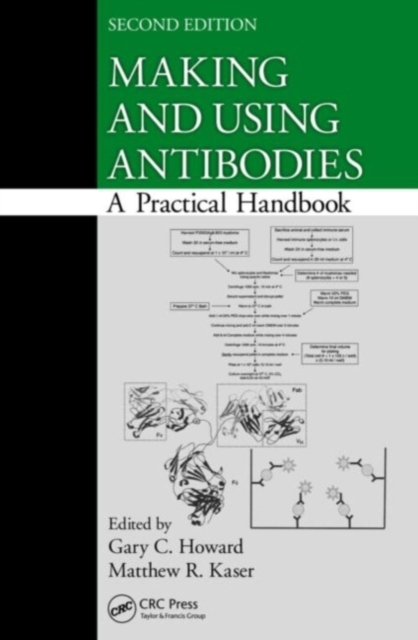
Antibodies protect us from a wide range of infectious diseases and cancers and have become an indispensable tool in science-both for conventional immune response research as well as other areas related to protein identification analysis.
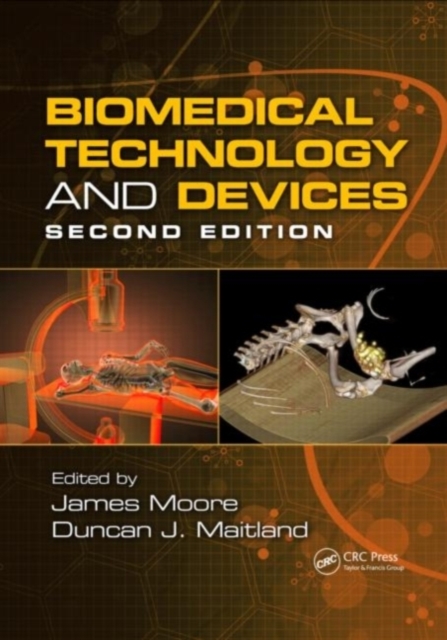
Fully revised since its original publication, this reference illuminates the equipment, devices, and techniques used in modern medicine to diagnose, treat, and monitor human illnesses.
One of the Most Rapidly Advancing Fields in Modern Neuroscience The success of molecular biology and the new tools derived from molecular genetics have revolutionized pain research and its translation to therapeutic effectiveness.
Advances in genomics and combinatorial chemistry during the past two decades inspired innovative technologies and changes in the discovery and pre-clinical development paradigm with the goal of accelerating the process of bringing therapeutic drugs to market.
Much as it is with the nation's overall healthcare system, the survival of academic medical centers (AMC's) is threatened by a combination of economic, cultural, and demographic factors.
As the development of medicines has become more globalized, the geographic variations in the efficacy and safety of pharmaceutical products need to be addressed.
In the medical imaging field, clinicians and researchers are increasingly moving from the qualitative assessment of printed images to the quantitative evaluation of digital images since the quantitative techniques often improve diagnostic accuracy and complement clinical assessments by providing objective criteria.
Written to help companies comply with GMP, GLP, and validation requirements imposed by the FDA and regulatory bodies worldwide, Quality Control Training Manual: Comprehensive Training Guide for API, Finished Pharmaceutical and Biotechnologies Laboratories presents cost-effective training courses that cover how to apply advances in the life sciences to produce commercially viable biotech products and services in terms of quality, safety, and efficacy.
In clinical trial practice, controversial statistical issues inevitably occur regardless of the compliance with good statistical practice and good clinical practice.
Bridging the gap between research and clinical application, Biosensors and Molecular Technologies for Cancer Diagnostics explores the use of biosensors as effective alternatives to the current standard methods in cancer diagnosis and detection.
Medical Physics and Biomedical Engineering provides broad coverage appropriate for senior undergraduates and graduates in medical physics and biomedical engineering.
Adaptive clinical trial designs, unlike traditional fixed clinical trial designs, enable modification of studies in response to the data generated in the course of the trial.