Mixed-Methods Research in Wellbeing and Health brings together nine examples of high-quality research into wellbeing and health using a range of mixed methods.
Mixed-Methods Research in Wellbeing and Health brings together nine examples of high-quality research into wellbeing and health using a range of mixed methods.
First published in 1995: Clinically Applied Microcirculation Research combines state-of-the-art microcirculation technology with present and potential applications in clinical medicine.
The Manual of Immunological Methods represents the collaboration of the Canadian Network of Toxicology Centers, a non-profit network of university-based scientists dedicated to research, training, risk assessment, and communication.
The management of clinical data, from its collection during a trial to its extraction for analysis, has become critical in preparing a regulatory submission and obtaining approval to market a treatment.
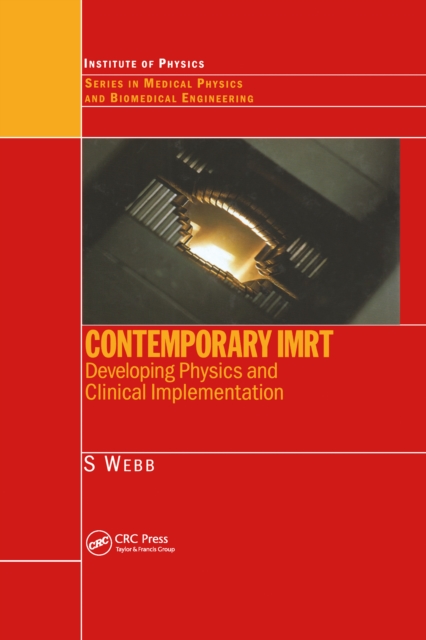
The most important radiotherapy modality used today, intensity modulated radiation therapy (IMRT), is the most technologically advanced radiotherapy cancer treatment available, rapidly replacing conformal and three-dimensional techniques.
Now in its fourth edition, Fraud and Misconduct in Biomedical Research boasts an impressive list of contributors from around the globe and introduces a new focus for the book, transforming it from a series of monographs into a publication that will quickly become an essential textbook on all areas of research fraud and misconduct.
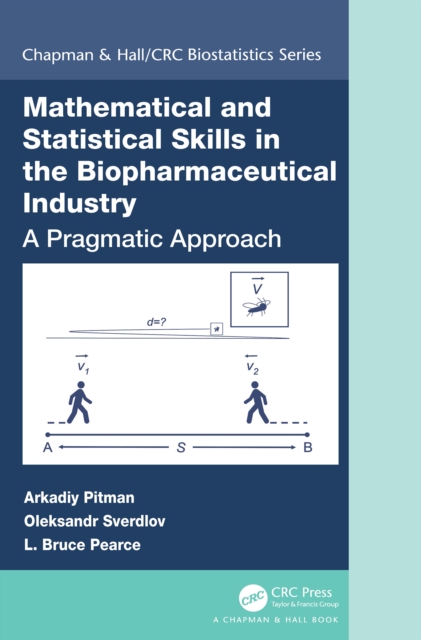
Mathematical and Statistical Skills in the Biopharmaceutical Industry: A Pragmatic Approach describes a philosophy of efficient problem solving showcased using examples pertinent to the biostatistics function in clinical drug development.
Pocket Guide to Gene Level Diagnostics in Clinical Practice is an abbreviated, pocket-size, quick-reference guide that provides a point-by-point synopsis of the vast wealth of information contained in CRC Handbook of Gene Level Diagnostics in Clinical Practice.
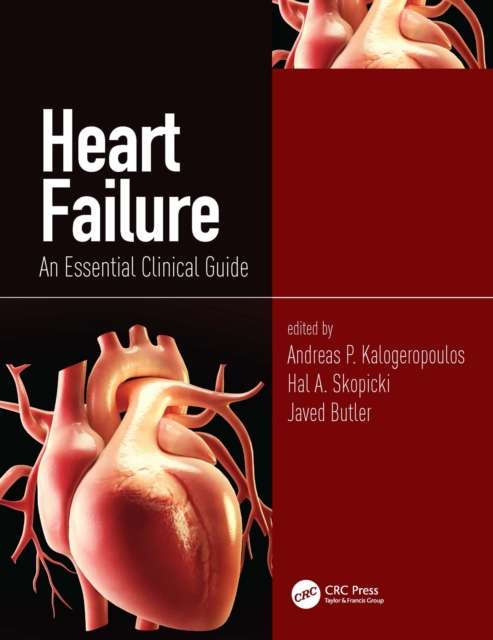
This "e;patient-oriented"e; book was written as a meeting ground for practicing clinicians, allied health professionals, and clinical researchers to provide a practical guide for the contemporary assessment and management of patients with heart failure and cardiomyopathy.
Providing safe, fast, and efficient incision with an improved field of vision, radiosurgery is one of the most important and versatile instruments in modern dentistry.
Modern medicine is undergoing a paradigm shift from a "e;one-size-fits-all"e; strategy to a more precise patient-customized therapy and medication plan.
This handy reference demonstrates how to use blood, plasma, serum, instrumentation, bone marrow, lymph nodes, and splenic tissue to establish diagnosis, emphasizing practical information to aid in the operation of an efficient hematology laboratory and highlighting up-to-date investigative procedures.
First published in 1995: Clinically Applied Microcirculation Research combines state-of-the-art microcirculation technology with present and potential applications in clinical medicine.
This "e;patient-oriented"e; book was written as a meeting ground for practicing clinicians, allied health professionals, and clinical researchers to provide a practical guide for the contemporary assessment and management of patients with heart failure and cardiomyopathy.
In today's world, three great classes of non-infectious diseases - the metabolic syndromes (such as type 2 diabetes and atherosclerosis), the cancers, and the neurodegenerative disorders - have risen to the fore.
Success or failure of biomaterials, whether tissue engineered constructs, joint and dental implants, vascular grafts, or heart valves, depends on molecular-level events that determine subsequent responses of cells and tissues.
This book presents a multidisciplinary assessment of the state of science in the use of systemic delivery technologies to deliver anti-aging therapeutics now under development.
Interest in the humane and scientifically justifiable use of research animals has intensified since the publication of the 2nd edition of Animal Models in Cardiovascular Research.
Metalloproteins comprise approximately 30% of all known proteins, and are involved in a variety of biologically important processes, including oxygen transport, biosynthesis, electron transfer, biodegradation, drug metabolism, proteolysis, and hydrolysis of amides and esters, environmental sulfur and nitrogen cycles, and disease mechanisms.
Although best known for its role in heart disease, the sarcomere--the fundamental unit of muscle contraction--is also involved in skeletal muscle diseases.
Focus, Organization, and Content This book, like the first edition, deals with the mass transport processes that take place in living systems, with a focus on the normal behavior of eukaryotic cells and the - ganisms they constitute, in their normal physiological environment.
Nearly a century of scientific research has revealed that mitochondrial dysfunction is one of the most common and consistent phenotypes of cancer cells.
Under the name of programmed cell death (PCD) are included diverse molecular mechanism of cell suicide which play an essential role in the development of multicellular organisms.
The complexarchitectureofneuronal networks togetherwith the extraordinary associated functions make the nervous system a fascinating biological structure.
Bioengineering and biotechnology are exploding-the number of career opportunities is expected to increase twice as fast as for other science and engineering fields over the next decade.
All of the parasitic organisms highlighted in this new book represent medically important human pathogens that contribute significantly to the global burden of disease.