Learn how to place communication and participation at the heart of evidence-based healthcare The Knowledgeable Patient: Communication and Participation in Health sits at the forefront of the challenging, changing 21st century landscape.
Nach etlichen Vorfällen in den letzten Jahrzehnten erbringt der Autor Urkundsbeweis für massive Auffälligkeiten und rechtswidrige Vorgehensweisen seitens Dritter in Strafverfahren, sowie daraus resultierender Untersuchungshaft.
Through the twentieth century, the nature of medical practice has changed more quickly, more dramatically, and far more publicly than that of any other profession in Canada.
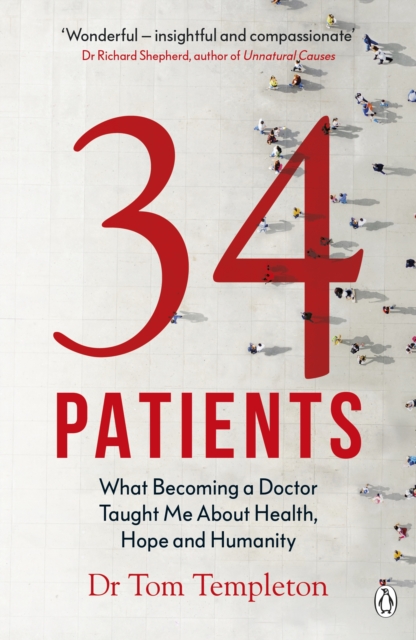
Discover the profound and moving portrait of one doctor's life and work in the NHS'Wonderful - insightful and compassionate' Dr Richard Shepherd, bestselling author of Unnatural Causes________They can't teach you how to be a doctor at medical school .
Narrative-Based Practice in Health and Social Care outlines a vision of how witnessing narratives, paying attention to them, and developing an ability to question them creatively, can make the person's emerging story the central focus of health and social care, and of healing.
Narrative-Based Practice in Health and Social Care outlines a vision of how witnessing narratives, paying attention to them, and developing an ability to question them creatively, can make the person's emerging story the central focus of health and social care, and of healing.
This book will be of tremendous use to all healthcare professionals from physicians to nurses to social workers, rehabilitation therapists, and chaplains.
Shrinking the smirch is a unique workbook for anybody who is living with a long term physical or psychological condition including MS, Parkinson's, brain injury, epilepsy, chronic fatigue, epilepsy, stroke, cancer, depression, eating disorders, trauma or anxiety.
Shrinking the smirch is a unique workbook for anybody who is living with a long term physical or psychological condition including MS, Parkinson's, brain injury, epilepsy, chronic fatigue, epilepsy, stroke, cancer, depression, eating disorders, trauma or anxiety.
Mastery of quality health care and patient safety begins as soon as we open the hospital doors for the first time and start acquiring practical experience.
As the healthcare market moves toward an era of patient engagement, population health and patient advocates, practitioners need a practical how-to guide that helps facilitate their teaching with patients and family members on not just writing down or accumulating a personal health record, but an interactive process that converts the personal health information into a data-driven decision-making process.
The Inner Consultation, Second Edition sets out the author's thoughts on how consulting skills, and methods of teaching them, have evolved in the 17 years since the book's first publication.
The Inner Consultation, Second Edition sets out the author's thoughts on how consulting skills, and methods of teaching them, have evolved in the 17 years since the book's first publication.
Michael Balint's work grew out of a desire to analyze the doctor-patient relationship and improve diagnosis and treatment, and is now known and implemented internationally.
Michael Balint's work grew out of a desire to analyze the doctor-patient relationship and improve diagnosis and treatment, and is now known and implemented internationally.
This book provides doctors with insights into psychological and relational dynamics to better understand themselves and their patients, deepen their understanding of somatic and psychic dimensions of illness, and give them diagnostic and therapeutic tools to design better treatment procedures for patients.
This book provides doctors with insights into psychological and relational dynamics to better understand themselves and their patients, deepen their understanding of somatic and psychic dimensions of illness, and give them diagnostic and therapeutic tools to design better treatment procedures for patients.
An important contribution in the burgeoning literature relating to the delivery of medical care, and to the broader question of responsible decision-making in those social areas where tragic choices have to be made.
An important contribution in the burgeoning literature relating to the delivery of medical care, and to the broader question of responsible decision-making in those social areas where tragic choices have to be made.
Delays in recognising deterioration or inappropriate management of people in acute care settings can result in late treatment, avoidable admissions to intensive care units and in some instances unnecessary deaths.
Delays in recognising deterioration or inappropriate management of people in acute care settings can result in late treatment, avoidable admissions to intensive care units and in some instances unnecessary deaths.
This book examines the rehabilitation of language disorders in adults, presenting new research, as well as expert insights and perspectives, into this area.
This book examines the rehabilitation of language disorders in adults, presenting new research, as well as expert insights and perspectives, into this area.
While medical language is soaked in metaphor, and thinking with metaphor is central to diagnostic work, medicine - that is, medical culture, clinical practice and medical education - outwardly rejects metaphor for objective, literal scientific language.
While medical language is soaked in metaphor, and thinking with metaphor is central to diagnostic work, medicine - that is, medical culture, clinical practice and medical education - outwardly rejects metaphor for objective, literal scientific language.
This book and its companion, Skills for Communicating with Patients, Second Edition, provide a comprehensive approach to improving communication in medicine.
The Clinical Skills Assessment (CSA) of the new Membership of the Royal College of General Practice (nMRCGP) examinations can be a daunting test: candidates face assessment on an unknown situation by a 'patient' and assessor, however, help is at hand.
This work includes Forewords by Benyamin Maoz and John Salinsky, Professor Emeritus of Psychiatry, Faculty for Health Sciences, Ben Gurion University of the Negev, Israel; General Practitioner, Course Organiser and Author, London.