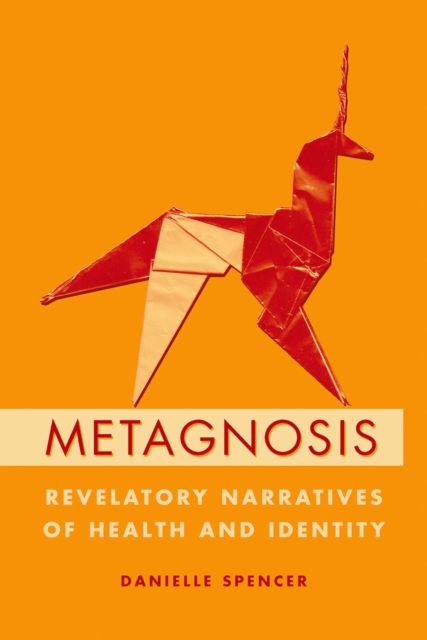
Bridging memoir with key concepts in narratology, philosophy and history of medicine, and disability studies, this book identifies and names the phenomenon of metagnosis: the experience of learning in adulthood of a longstanding condition.
Based on a non-consequentialist ethical theory, this book critically examines the prevalent view that if a fetus has the moral standing of a person, it has a right to life and abortion is impermissible.
The plight of a patient waiting months, sometimes years, for an organ transplant is one of the most heart-wrenching predicaments confronting medicine today.
Perhaps no medical breakthrough in the twentieth century is more spectacular, more hope-giving, or more fraught with ethical questions than organ transplantation.
The concept of altruism, or disinterested concern for another's welfare, has been discussed by everyone from theologians to psychologists to biologists.
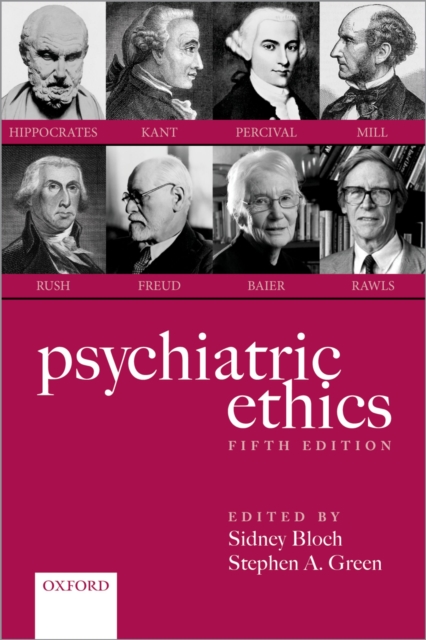
This is a comprehensive resource of original essays by leading thinkers exploring the newly emerging inter-disciplinary field of the philosophy of psychiatry.
Biotechnologies already on the horizon will enable us to be smarter, have better memories, be stronger and quicker, have more stamina, live longer, be more resistant to diseases, and enjoy richer emotional lives.
Unfit for the Future argues that the future of our species depends on our urgently finding ways to bring about radical enhancement of the moral aspects of our own human nature.
A book for nurses, doctors and all who provide end of life care, this essential volume guides readers through the ethical complexities of such care, including current policy initiatives, and encourages debate and discussion on their controversial aspects.
The Oxford Specialist Handbooks series provides readers with clear, concise information on all that is needed to successfully train in the medical sub-specialties.
In the last fifty years, average overall health status has increased more or less in parallel with a much celebrated decline in mortality, attributed mostly to poverty reduction, sanitation, nutrition, housing, immunization, and improved medical care.
The goals of healthcare and health policy, and the health-related dilemmas facing policy makers, professionals, and citizens are extensively analysed and debated in a range of disciplines including public health, sociology, and applied philosophy.