This forward-thinking volume outlines several approaches to therapeutic treatment for individuals who have experienced complex childhood and adult trauma, providing a novel framework for helping patients with a number of challenging symptoms, with clinical hypothesis testing and solid therapeutic relationships as a vital foundation.
This book analyses the partnership between applied theatre and sexual health communication in a theatre-making project in Nyanga, a township in South Africa.
In vielen Lebens- und Berufsbereichen spielt die Achtsamkeit eine große Rolle, wenn es um die Reduktion von Stress und die Fokussierung der Aufmerksamkeit geht.
In contrast to other studies on identity, this book takes its point of departure in the complexities that characterize and shape both individuals and societies - past and present.
Frente a la agudización de las crisis alimentarias que desataron las cuarentenas del año 2020, este volumen se propone recuperar experiencias alimentarias esperanzadoras para una recuperación eco-social pospandemia.
Electronic Waste: Toxicology and Public Health Issues discusses the major public health concerns due to the presence of toxic chemicals that are generated from improper recycling and disposal practices of electronic waste (e-waste).
Environmental Mycology in Public Health: Fungi and Mycotoxins Risk Assessment and Management provides the most updated information on fungi, an essential element in the survival of our global ecology that can also pose a significant threat to the health of occupants when they are present in buildings.
The Roundtable on Health Literacy brings together leaders from academia, industry, government, foundations, and associations and representatives of patient and consumer interests who work to improve health literacy.
From the origin of the leak, to the amount of oil released into the environment, to the spill's duration, the 2010 Gulf of Mexico oil spill poses unique challenges to human health.
Cancer ranks second only to heart disease as a leading cause of death in the United States, making it a tremendous burden in years of life lost, patient suffering, and economic costs.
Immunization against disease is among the most successful global health efforts of the modern era, and substantial gains in vaccination coverage rates have been achieved worldwide.
Responding to the expansion of scientific knowledge about the roles of nutrients in human health, the Institute of Medicine has developed a new approach to establish Recommended Dietary Allowances (RDAs) and other nutrient reference values.
Immunization is essential to disease prevention efforts in public health, but the nation's immunization system faces financing challenges that are affecting the delivery of services.
Many of the elements of the Affordable Care Act (ACA) went into effect in 2014, and with the establishment of many new rules and regulations, there will continue to be significant changes to the United States health care system.
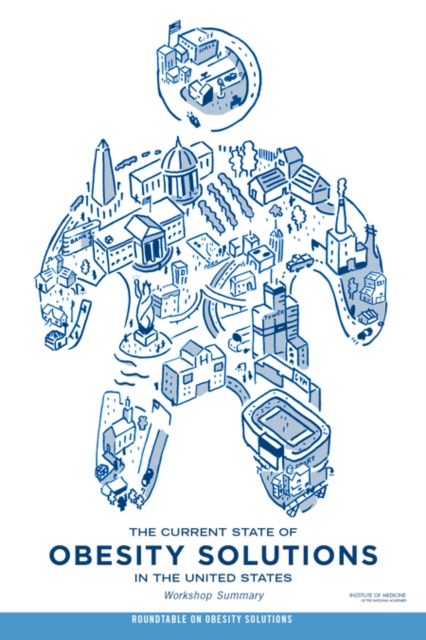
Obesity poses one of the greatest public health challenges of the 21st century, creating serious health, economic, and social consequences for individuals and society.
The federal government requires that most packaged foods carry a standardized labelthe Nutrition Facts panelthat provides nutrition information intended to help consumers make healthful choices.
The fragmented information that consumers receive about the nutritional value and health risks associated with fish and shellfish can result in confusion or misperceptions about these food sources.
Health literacy is the degree to which individuals can obtain, process, and understand the basic health information and services they need to make appropriate health decisions.
In the last 25 years, a major shift has occurred in the field of violence prevention, from the assumption that violence is inevitable to the realization that violence is preventable.
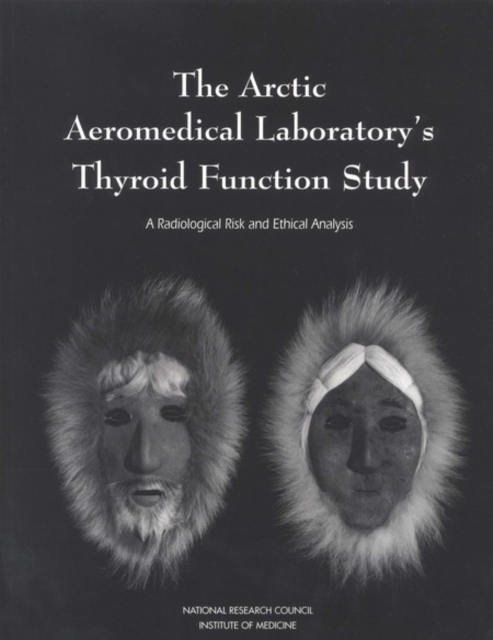
During the 1950s, with the Cold War looming, military planners sought to know more about how to keep fighting forces fit and capable in the harsh Alaskan environment.
The conditions and characteristics of correctional facilities - overcrowded with rapid population turnover, often in old and poorly ventilated structures, a spatially concentrated pattern of releases and admissions in low-income communities of color, and a health care system that is siloed from community public health - accelerates transmission of the novel coronavirus (SARS-CoV-2) responsible for COVID-19.
The World Health Organization defines the social determinants of health as "e;the conditions in which people are born, grow, work, live, and age, and the wider set of forces and systems shaping the conditions of daily life.
Risk assessments are often used by the federal government to estimate the risk the public may face from such things as exposure to a chemical or the potential failure of an engineered structure, and they underlie many regulatory decisions.
The influenza pandemic caused by the 2009 H1N1 virus underscores the immediate and critical need to prepare for a public health emergency in which thousands, tens of thousands, or even hundreds of thousands of people suddenly seek and require medical care in communities across the United States.
In recent public workshops and working group meetings, the Forum on Microbial Threats of the Institute of Medicine (IOM) has examined a variety of infectious disease outbreaks with pandemic potential, including those caused by influenza (IOM, 2005) and severe acute respiratory syndrome (SARS) (IOM, 2004).
The National Academies of Sciences, Engineering, and Medicine in collaboration with the InterAcademy Partnership and the European Academies Science Advisory Committee held a workshop in November 2019 to bring together researchers and public health officials from different countries and across several relevant disciplines to explore what is known, and what critical knowledge gaps remain, regarding existing and possible future risks of harmful infectious agents emerging from thawing permafrost and melting ice in the Arctic region.
The Institute of Medicine (IOM) Committee on Quality Measures for the Healthy People Leading Health Indicators was charged by the Office of the Assistant Secretary for Health to identify measures of quality for the 12 Leading Health Indicator (LHI) topics and 26 Leading Health Indicators in Healthy People 2020 (HP2020), the current version of the Department of Health and Human Services (HHS) 10-year agenda for improving the nation's health.
Health literacy, cultural competence, and language access services are distinct but inextricably linked concepts for delivering equitable care to all members of the increasingly diverse population of the United States.
In October 2004 the Research Center for Gastroenterology and Liver Diseases of Shaheed Beheshti University hosted in Tehran an Iranian-American workshop on Food Safety and Surveillance Systems for Foodborne Diseases.
In its landmark report, Health Literacy: A Prescription to End Confusion, the Institute of Medicine noted that there are 90 million adults in the United States with limited health literacy who cannot fully benefit from what the health and health care systems have to offer.