There are numerous reasons to hasten the introduction of new and improved contraceptivesfrom health concerns about the pill to the continuing medical liability crisis.
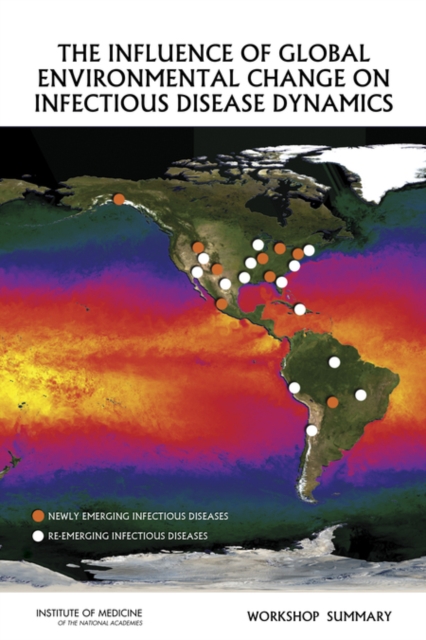
In recent public workshops and working group meetings, the Forum on Microbial Threats of the Institute of Medicine (IOM) has examined a variety of infectious disease outbreaks with pandemic potential, including those caused by influenza (IOM, 2005) and severe acute respiratory syndrome (SARS) (IOM, 2004).
In October 2004 the Research Center for Gastroenterology and Liver Diseases of Shaheed Beheshti University hosted in Tehran an Iranian-American workshop on Food Safety and Surveillance Systems for Foodborne Diseases.
Public health officials have the traditional responsibilities of protecting the food supply, safeguarding against communicable disease, and ensuring safe and healthful conditions for the population.
A virtual workshop series titled Approaches to Assessing Intake of Food and Dietary Supplements in Pregnant Women and Children 2 to 11 Years of Age was convened in May, 2021 by the Food and Nutrition Board of the National Academies of Sciences, Engineering, and Medicine.
During the last 25 years, life expectancy at age 50 in the United States has been rising, but at a slower pace than in many other high-income countries, such as Japan and Australia.
Recommendations for feeding infants and young children have changed substantially over time owing to scientific advances, cultural influences, societal trends, and other factors.
Ever since the United States began producing and testing nuclear weapons during World War II, the effects of ionizing radiation on human health and the environment have been a serious public concern.
Immunization is essential to disease prevention efforts in public health, but the nation's immunization system faces financing challenges that are affecting the delivery of services.
The remarkable increase in the prevalence of obesity among children and youth in the United States over a relatively short timespan represents one of the defining public health challenges of the 21st century.
Since 1990, when the last guidelines for weight gain during pregnancy were issued, the average body weight of women entering their childbearing years has increased considerably, with a greater percentage of these women now classified as overweight or obese.
The number of people infected with HIV or living with AIDS is increasing at unprecedented rates as various scientists, organizations, and institutions search for innovative solutions to combating and preventing the disease.
One in five people in the United States had a sexually transmitted infection (STI) on any given day in 2018, totaling nearly 68 million estimated infections.
The federal and state partnership in supporting immunization programs that benefit the general population evolved over the last half of the 20th century from a simple cost-sharing arrangement for vaccine purchase for disadvantaged children to a more complicated mix of programs, health care coverage benefits, and public-private partnerships.
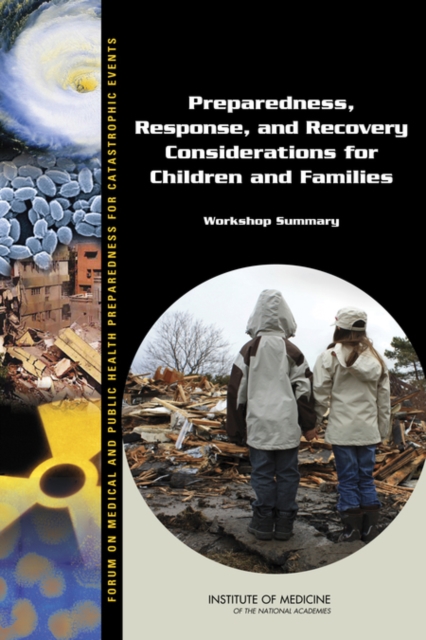
Preparedness, Response and Recovery Considerations for Children and Families is the summary of a workshop convened in June, 2013 by the Institute of Medicine Forum on Medical and Public Health Preparedness for Catastrophic Events to discuss disaster preparedness, response, and resilience relative to the needs of children and families, including children with special health care needs.
As women of childbearing age have become heavier, the trade-off between maternal and child health created by variation in gestational weight gain has become more difficult to reconcile.
In response to a request from Congress, the Health and Medicine Division of the National Academies of Sciences, Engineering, and Medicine conducted a study comparing the process to develop the Dietary Guidelines for Americans, 2020-2025 (DGA 2020-2025) to recommendations included in the previously published National Academies report, Redesigning the Process for Establishing the Dietary Guidelines for Americans.
Dietary assessment in older adults presents many unique problems due to the diversity of health states and capabilities that span the population group.
In Famine (1981), a collection of essays by experts from the developing world and advanced agricultural societies, the authors share their ecological perspectives and provide an insight into the multiple causes of famine.
In Famine (1981), a collection of essays by experts from the developing world and advanced agricultural societies, the authors share their ecological perspectives and provide an insight into the multiple causes of famine.
This is the first book to examine how effectively American and supranational EU governments have regulated innovative pharmaceuticals during the last 30 years regarding public health.
If you are a woman between the ages of 45 and 75 and are trying to decide whether to try, or stick with, hormone therapy (HT), or if you are a physician with patients fitting this description, this book is for you - unless you are looking for a simple answer.
This collection of six papers on the role of quantitative risk assessment in the promulgation of recent regulatory standards represents the latest contribution to a series of volumes published by Lester Lave and the Brookings Institution on regulatory decisionmaking.
People who need more energy and want to avoid stimulants that will make them edgy should consider taking supplements of carnitine or acetyl-l-carnitine, two forms of the same nutrient found naturally in protein.
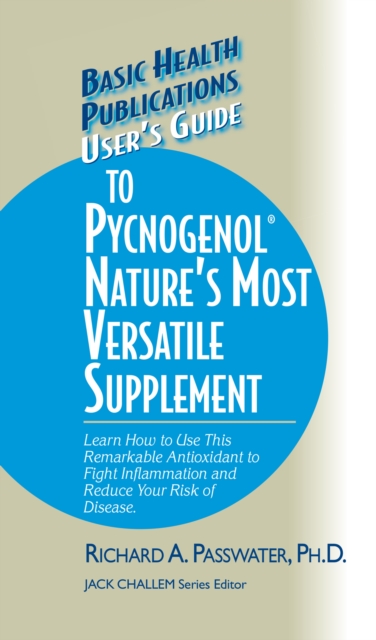
One of the most remarkable natural antioxidants ever discovered, Pycnogenol is a complex of more than forty individual antioxidants extraced from the bark of French maritime pine trees.
Im Zentrum des Buches stehen Arbeitsplatzgestaltung, Mitarbeiterbelastung und Arbeitsschutz im Gebäudetechnik Handwerk:• Welche Belastungen und Gefährdungen können bei der technischen -Gebäudeausrüstung auftreten?
Covering a wide range of popular alternative medicine and health issues, User' are written by leading experts and science writers and are designed to answer the consumer's basic questions about disease, conventional and alternative therapies, and individual dietary supplements.
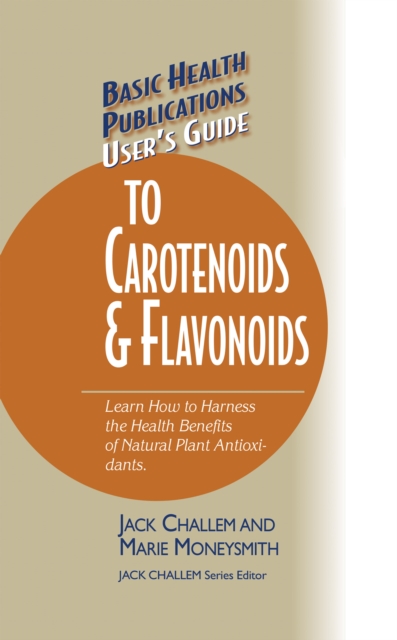
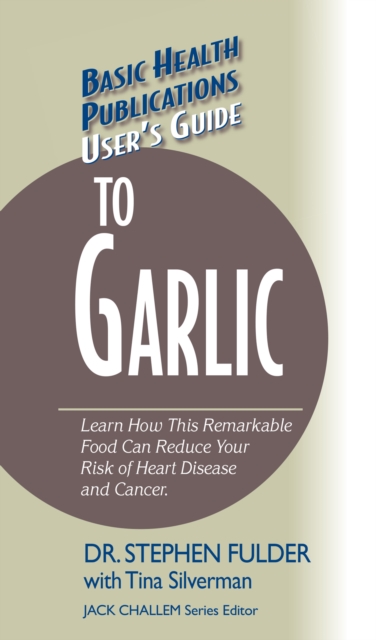
Covering a wide range of popular alternative medicine and health issues, User's Guides are written by leading experts and science writers and are designed to answer the consumer's basic questions about disease, conventional and alternative therapies, and individual dietary supplements.