Health literacy is the degree to which individuals can obtain, process, and understand the basic health information and services they need to make appropriate health decisions.
The Dietary Reference Intakes (DRIs) are quantitative estimates of nutrient intakes to be used for planning and assessing diets for apparently healthy people.
Recent concerns about the unexpected adverse effects of marketed drugs, such as COX-2 (cyclooxygenase-2) inhibitors or specific statins, raise concerns not only about reporting these events during premarket studies, but also about the responsibility for ongoing surveillance of drugs once they are on the market.
The Food Safety and Inspection Service (FSIS) is the regulatory agency in the US Department of Agriculture that is responsible for ensuring that meat, poultry, and processed egg products produced domestically or imported into the United States are safe, wholesome, and properly labeled.
After-school programs, scout groups, community service activities, religious youth groups, and other community-based activities have long been thought to play a key role in the lives of adolescents.
Ensuring the safety of food and the quality and safety of medicines in a country is an important role of government, made more complicated by global manufacturing and international trade.
The Dietary Reference Intakes (DRIs) are a set of evidence-based nutrient reference values for intakes that include the full range of age, gender, and life stage groups in the US and Canada.
Recent concerns about the unexpected adverse effects of marketed drugs, such as COX-2 (cyclooxygenase-2) inhibitors or specific statins, raise concerns not only about reporting these events during premarket studies, but also about the responsibility for ongoing surveillance of drugs once they are on the market.
Public health officials and organizations around the world remain on high alert because of increasing concerns about the prospect of an influenza pandemic, which many experts believe to be inevitable.
The Institute of Medicine (IOM) Roundtable on Health Literacy focuses on bringing together leaders from the federal government, foundations, health plans, associations, and private companies to address challenges facing health literacy practice and research and to identify approaches to promote health literacy in both the public and private sectors.
Nanoscale science and technology, often referred to as "e;nanoscience"e; or "e;nanotechnology,"e; are science and engineering enabled by our relatively new ability to manipulate and characterize matter at the level of single atoms and small groups of atoms.
Recent health care payment reforms aim to improve the alignment of Medicare payment strategies with goals to improve the quality of care provided, patient experiences with health care, and health outcomes, while also controlling costs.
The Food and Nutrition Board of the Institute of Medicine (IOM), part of the National Academies, was asked to evaluate the use of various dietary assessment tools and to make recommendations for the assessment of inadequate or inappropriate dietary patterns.
Vaccines have made it possible to eradicate the scourge of smallpox, promise the same for polio, and have profoundly reduced the threat posed by other diseases such as whooping cough, measles, and meningitis.
Adolescence is a time of major transition, however, health care services in the United States today are not designed to help young people develop healthy routines, behaviors, and relationships that they can carry into their adult lives.
Several positive and negative lifelong behaviors are established during adolescence including diet and exercise, sexual conduct, practices related to oral health, smoking, drinking, and the use if legal and illegal substances.
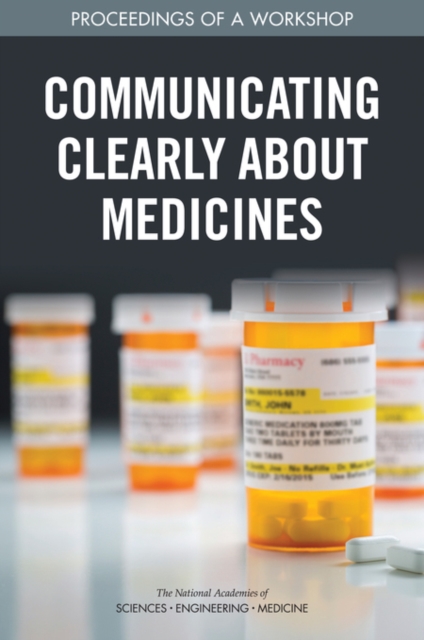
Research conducted over the past two decades has shown that poor patient understanding of medication instructions is an important contributor to the more than 1 million medication errors and adverse drug events that lead to office and emergency room visits, hospitalizations, and even death.
Solving the world's health challenges requires multidisciplinary collaborations that bring together the talents, experiences, resources, and ideas from multiple sectors.
When 18-year-old Jesse Gelsinger died in a gene transfer study at the University of Pennsylvania, the national spotlight focused on the procedures used to ensure research participants' safety and their capacity to safeguard the well-being of those who volunteer for research studies.
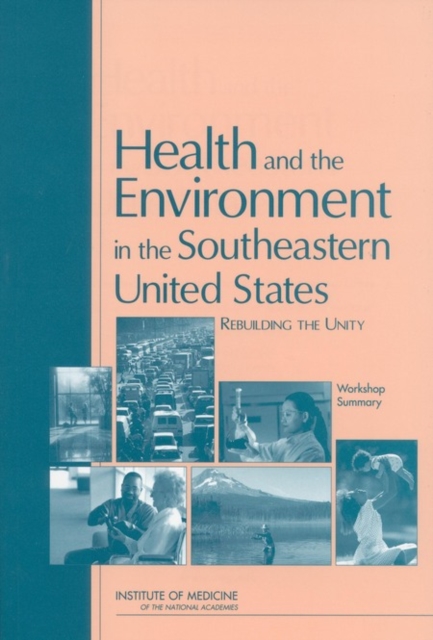
The purpose of this regional workshop in the Southeast was to broaden the environmental health perspective from its typical focus on environmental toxicology to a view that included the impact of the natural, built, and social environments on human health.
The fragmented information that consumers receive about the nutritional value and health risks associated with fish and shellfish can result in confusion or misperceptions about these food sources.
The Dietary Reference Intakes (DRIs) are quantitative estimates of nutrient intakes to be used for planning and assessing diets for apparently healthy people.
Although the general public in the United States assumes children to be generally healthy and thriving, a substantial and growing number of children have at least one chronic health condition.