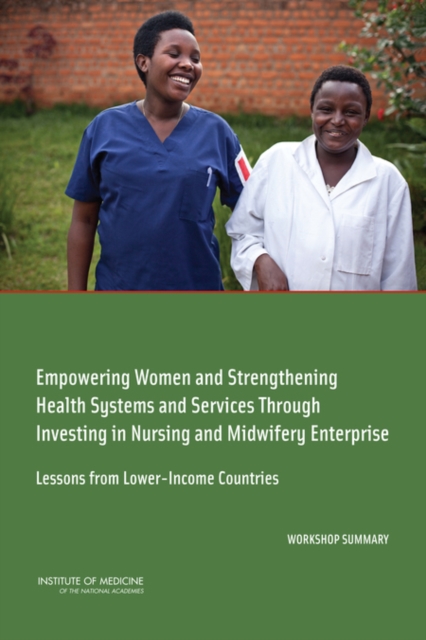
In September 2014, the Global Forum on Innovation in Health Professional Education and the Forum on Public-Private Partnerships for Global Health and Safety of the Institute of Medicine convened a workshop on empowering women and strengthening health systems and services through investing in nursing and midwifery enterprise.
A major goal of the US Department of Defense (DOD) Transformational Medical Technologies Initiative (TMTI) is to develop countermeasures that will protect military personnel against bioweapons, including specific infectious-disease agents and toxins.
During a wide-reaching catastrophic public health emergency or disaster, existing surge capacity plans may not be sufficient to enable health care providers to continue to adhere to normal treatment procedures and follow usual standards of care.
Recognizing the importance of good nutrition for physical and mental status, theDepartment of Defense asked the Institute of Medicine to guide the design of thenutritional composition of a ration for soldiers on short-term, high-stress missions.
Adolescence is a time of major transition, however, health care services in the United States today are not designed to help young people develop healthy routines, behaviors, and relationships that they can carry into their adult lives.
Risk assessments are often used by the federal government to estimate the risk the public may face from such things as exposure to a chemical or the potential failure of an engineered structure, and they underlie many regulatory decisions.
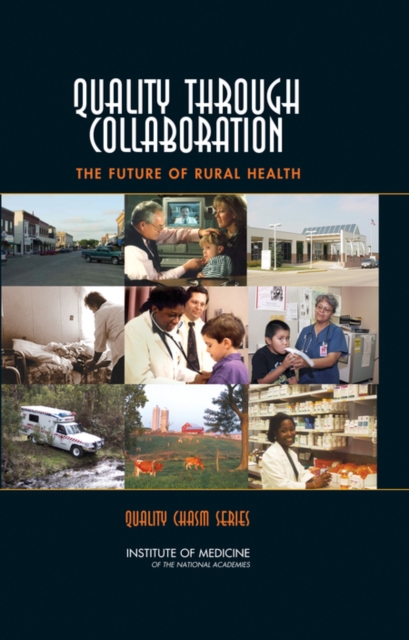
Building on the innovative Institute of Medicine reports To Err Is Human and Crossing the Quality Chasm, Quality Through Collaboration: The Future of Rural Health offers a strategy to address the quality challenges in rural communities.
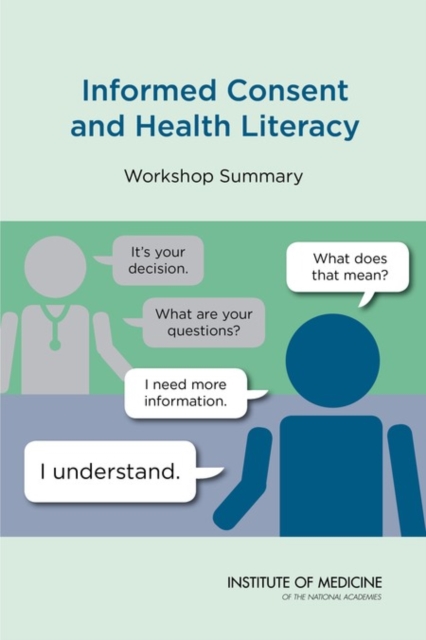
Informed consent - the process of communication between a patient or research subject and a physician or researcher that results in the explicit agreement to undergo a specific medical intervention - is an ethical concept based on the principle that all patients and research subjects should understand and agree to the potential consequences of the clinical care they receive.
In 2015, building on the advances of the Millennium Development Goals, the United Nations adopted Sustainable Development Goals that include an explicit commitment to achieve universal health coverage by 2030.
Increasing public investments in health care services for low-income and special needs children and adolescents in the United States have raised questions about whether these efforts improve their health outcomes.
Clinical practice related to sleep problems and sleep disorders has been expanding rapidly in the last few years, but scientific research is not keeping pace.
The federal and state partnership in supporting immunization programs that benefit the general population evolved over the last half of the 20th century from a simple cost-sharing arrangement for vaccine purchase for disadvantaged children to a more complicated mix of programs, health care coverage benefits, and public-private partnerships.
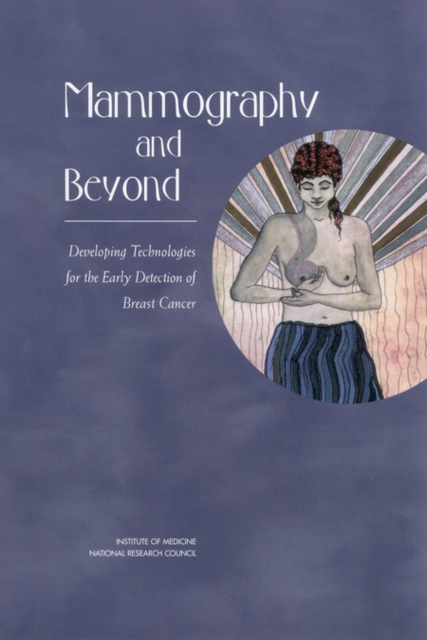
Cancer ranks second only to heart disease as a leading cause of death in the United States, making it a tremendous burden in years of life lost, patient suffering, and economic costs.
Globalization of the food supply has created conditions favorable for the emergence, reemergence, and spread of food-borne pathogens-compounding the challenge of anticipating, detecting, and effectively responding to food-borne threats to health.
Clinical practice related to sleep problems and sleep disorders has been expanding rapidly in the last few years, but scientific research is not keeping pace.
Today our emergency care system faces an epidemic of crowded emergency departments, patients boarding in hallways waiting to be admitted, and daily ambulance diversions.
In January 2014, the Board on Children, Youth, and Families of the Institute of Medicine and the National Research Council, in collaboration with the IOM Board on Global Health, launched the Forum on Investing in Young Children Globally.
Presenta una original aproximación al devenir sanitario del país desde la antropología médica, la epidemiología, la etnoepidemiología y la historia; es una expresión de interdisciplinariedad y transdisciplinariedad que tiene en cuenta el conocimiento ancestral, la academia y la cultura.
Emerging infectious disease threats that may not have available treatments or vaccines can directly affect the security of the world's health since these diseases also know no boundaries and will easily cross borders.
Medicare is the largest health insurer in the United States, providing coverage for 39 million people aged 65 and older and 8 million people with disabilities, and reaching more than an estimated $500 billion in payments in 2010.
During the last 25 years, life expectancy at age 50 in the United States has been rising, but at a slower pace than in many other high-income countries, such as Japan and Australia.
The 20142015 Ebola epidemic in western Africa was the longest and most deadly Ebola epidemic in history, resulting in 28,616 cases and 11,310 deaths in Guinea, Liberia, and Sierra Leone.
Driven by community-based organizations and supported by a growing body of literature, the environmental justice movement contends that poor and minority populations are burdened with more than their share of toxic waste, pesticide runoff, and other hazardous byproducts of our modern economic life.
The roots of health literacy can be traced back to the national literacy movement in India under Gandhi and to aid groups working in Africa to promote education and health.
The Robert Wood Johnson Foundation asked the Institute of Medicine (IOM) to examine three topics in relation to public health: measurement, the law, and funding.