This book provides an application-oriented approach for pH responsive membranes and types of stimuli-responsive membranes and their applications in the biomedical field including initial development and recent use.
This textbook aims to ensure that advances in medical textiles are addressed and that recent developments are able to be appreciated and understood not only by medical practitioners and healthcare personnel but also by textile scientists and technologists.
This textbook aims to ensure that advances in medical textiles are addressed and that recent developments are able to be appreciated and understood not only by medical practitioners and healthcare personnel but also by textile scientists and technologists.
Assistive Technology Intervention in Healthcare focuses on various applications of intelligent techniques in biomedical engineering and health informatics.
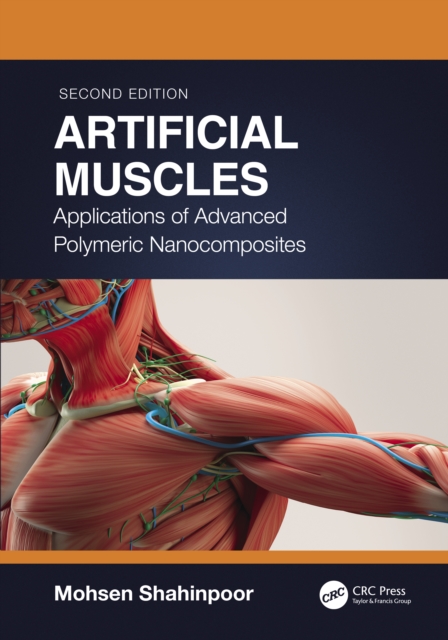
Smart materials are the way of the future in a variety of fields, from biomedical engineering and chemistry to nanoscience, nanotechnology, and robotics.
Smart materials are the way of the future in a variety of fields, from biomedical engineering and chemistry to nanoscience, nanotechnology, and robotics.
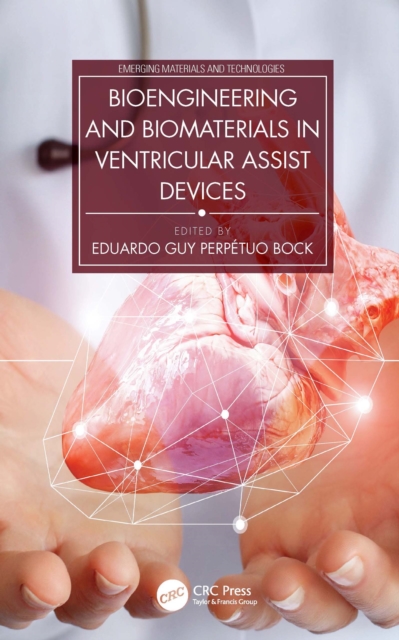
Often associated with artificial hearts, ventricular assist devices (VADs) are blood pumps that can provide circulatory assistance to the left ventricle, the right ventricle, or both.
This book discusses advanced instrumental techniques for the rapid bioassay of toxic materials, creep analysis of Delrin stents in cardiac bioprosthesis devices using finite element analysis, and the potential use of electron spectroscopy for chemical analysis for study of biomaterial surface.
This handbook covers medical device regulatory systems in different countries, ISO standards for medical devices, clinical trial and regulatory requirements, and documentation for application.
This handbook covers medical device regulatory systems in different countries, ISO standards for medical devices, clinical trial and regulatory requirements, and documentation for application.
This book examines the use of biomedical signal processing-EEG, EMG, and ECG-in analyzing and diagnosing various medical conditions, particularly diseases related to the heart and brain.
This book examines the use of biomedical signal processing-EEG, EMG, and ECG-in analyzing and diagnosing various medical conditions, particularly diseases related to the heart and brain.
In the last three decades, the fast development of single-molecule techniques has revolutionized the way we observe and understand biological processes.
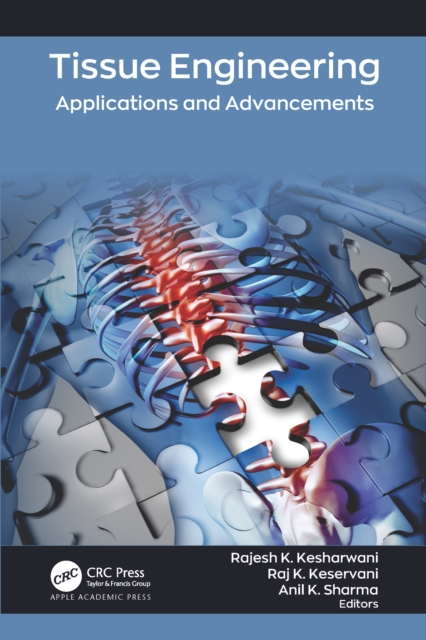
This new volume on applications and advances in tissue engineering presents significant, state-of-the-art developments in this exciting area of research.
This new volume on applications and advances in tissue engineering presents significant, state-of-the-art developments in this exciting area of research.
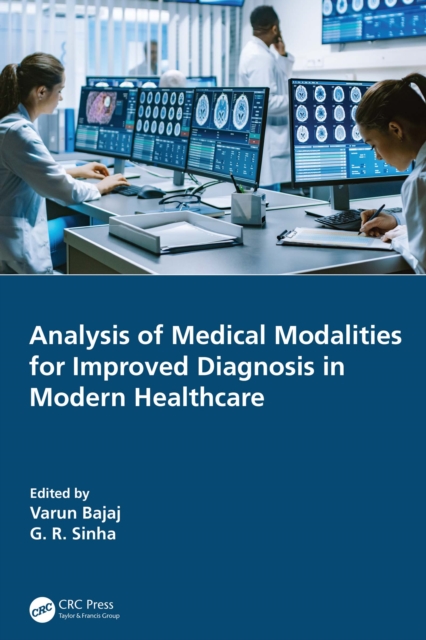
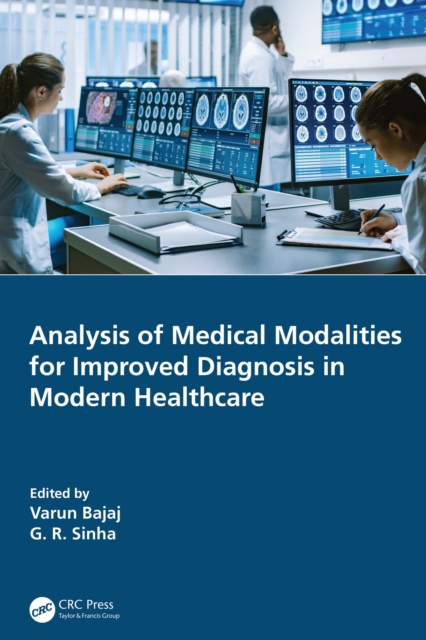
In modern healthcare, various medical modalities play an important role in improving the diagnostic performance in healthcare systems for various applications, such as prosthesis design, surgical implant design, diagnosis and prognosis, and detection of abnormalities in the treatment of various diseases.
In modern healthcare, various medical modalities play an important role in improving the diagnostic performance in healthcare systems for various applications, such as prosthesis design, surgical implant design, diagnosis and prognosis, and detection of abnormalities in the treatment of various diseases.
This book is about general and specific areas involved in electrical and electronics engineering which comprises broad subjects such as MEMS and Microfluidics, VLSI, Communication and Signal Processing.
This book is about general and specific areas involved in electrical and electronics engineering which comprises broad subjects such as MEMS and Microfluidics, VLSI, Communication and Signal Processing.
The aim of Mechano-Electric Correlations in the Human Physiological System is to present the mechanical and electrical properties of human soft tissues and the mathematical models related to the evaluation of these properties in time, as well as their biomedical applications.
The aim of Mechano-Electric Correlations in the Human Physiological System is to present the mechanical and electrical properties of human soft tissues and the mathematical models related to the evaluation of these properties in time, as well as their biomedical applications.
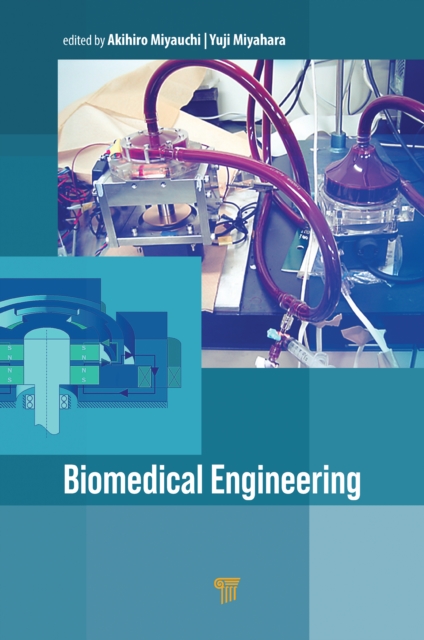
Several developed countries are facing serious problems in medical environments owing to the aging society, and extension of healthy lifetime has become a big challenge.