In considering ways that physics has helped advance biology and medicine, what typically comes to mind are the various tools used by researchers and clinicians.
Physical Chemistry for Engineering and Applied Sciences is the product of over 30 years of teaching first-year Physical Chemistry as part of the Faculty of Applied Science and Engineering at the University of Toronto.
Recent advancements in signal processing and computerised methods are expected to underpin the future progress of biomedical research and technology, particularly in measuring and assessing signals and images from the human body.
Combining a professional development course on diagnostic endoscopy from SPIE (the international society advancing light-based research) and the authors' graduate course on biomedical optics, this work is written for researchers in medical optics and biomedical engineering as well as graduate medical optics students.
Discover the Most Advanced Technologies in BiomagneticsCo-edited by Professor Ueno, a leader in the biomagnetics field for over 40 years, Biomagnetics: Principles and Applications of Biomagnetic Stimulation and Imaging explains the physical principles of biomagnetic stimulation and imaging and explores applications of the latest techniques in neuroscience, clinical medicine, and healthcare.
The field of medical imaging has been revolutionized by new techniques in powerful computations, image processing, and modalities such as Computer-Aided Tomography (CAT) and Magnetic Resonance Imaging (MRI), among others.
The integration of microelectromechanical systems (MEMS) and nanotechnology (NT) in sensors and devices significantly reduces their weight, size, power consumption, and production costs.
Written in a versatile, contemporary style that will benefit both novice and expert alike, Biological and Biomedical Coatings Handbook, Two-Volume Set covers the state of the art in the development and implementation of advanced thin films and coatings in the biological field.
With an ever-expanding array of biomaterials and implant devices appearing in the field, Spinal Reconstruction: Clinical Examples of Applied Basic Science, Biomechanics and Engineering helps surgeons assess and utilize the latest technologies to improve the reconstruction of the spine and enhance the reconstitution of diseased spinal segments.
The Medicine on the Move series provides fully flexible access to subjects across the curriculum in a unique combination of print and mobile formats ideal for the busy medical student and junior doctor.
This book contains applications to various health-related problems, from designing and maintaining a proper diet to enhancing hygiene to analysis of mammograms and left-right brain activity to treating diseases such as diabetes and drug addictions.
This book focuses on an eminent technology called next generation sequencing (NGS) which has entirely changed the procedure of examining organisms and will have a great impact on biomedical research and disease diagnosis.
This book highlights how blockchain and other emerging technologies can improve services, processes, and applications for a sustainable healthcare system.
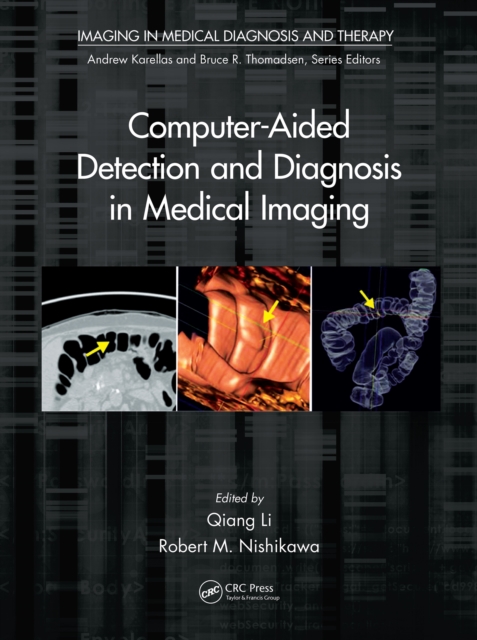
Improve the Accurate Detection and Diagnosis of Cancer and Other DiseasesDespite the expansion of the CAD field in recent decades, there is currently no single book dedicated to the development and use of CAD systems.
This book explains the intricacies of one-way shape memory polymers (SMPs), with a particular emphasis on solvent-responsive SMPs focusing on fundamental pathways and key principles crucial to the development of these materials.
Nanosized particles explored for therapeutics and diagnosis-related research areas need the latest updated information for budding researchers as well as academicians.
The entire scope of the BioMEMS field-at your fingertipsHelping to educate the new generation of engineers and biologists, Introduction to BioMEMS explains how certain problems in biology and medicine benefit from and often require the miniaturization of devices.
This book is dedicated to modern radars, describing their working principles and providing an overview on recent applications of microwave and mmWave radars for healthcare applications.
Poised to dramatically impact human health, biomedical microsystems (bioMEMS) technologies incorporate various aspects from materials science, biology, chemistry, physics, medicine, and engineering.
Molecular nanotechnology has been defined as the three-dimensional positional control of molecular structure to create materials and devices to molecular precision.
This book explores the design, synthesis, and characterization of natural and synthetic polymeric biomaterials for diverse biomedical applications, including drug delivery, tissue engineering, and antimicrobial coatings.
This book delves into the transformative potential of external energy in diagnosing and treating diseases, ranging from cancers to malaria, at their core.
a A ground-breaking compilation that focuses on the integration of artificial intelligence and machine learning applications in cardiovascular healthcare.
Current demand in biomedical sciences emphasizes the understanding of basic mechanisms and problem solving rather than rigid empiricism and factual recall.
Illustrates the Complex Biochemical Relations that Permit Life to ExistIt can be argued that the dawn of the 21st century has emerged as the age focused on molecular biology, which includes all the regulatory mechanisms that make cellular biochemical reaction pathways stable and life possible.
Moving Towards Everlasting Artificial Intelligent Battery-Powered Implants presents the development process of new artificial intelligent (AI) charging systems for battery-powered implants that can last for a lifetime after implantation.
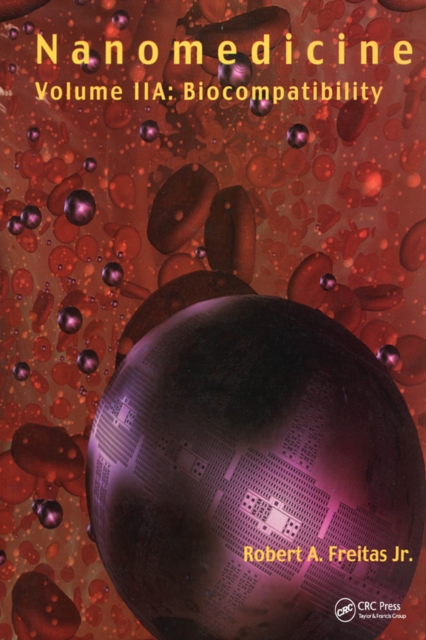
The safety, effectiveness, and utility of medical nanorobotic devices will critically depend upon their biocompatibility with human organs, tissues, cells, and biochemical systems.
Porous silicon is rapidly attracting increasing interest from various fields, including optoelectronics, microelectronics, photonics, medicine, chemistry, and biosensing.
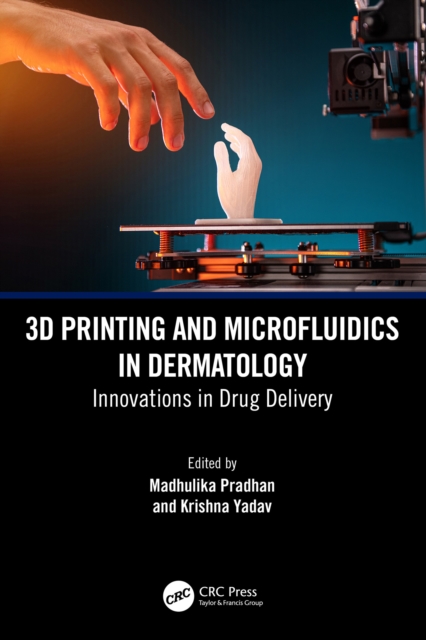
3D Printing and Microfluidics in Dermatology provides a thorough exploration and applications of three-dimensional (3D) printing and microfluidics within the field of dermatology.
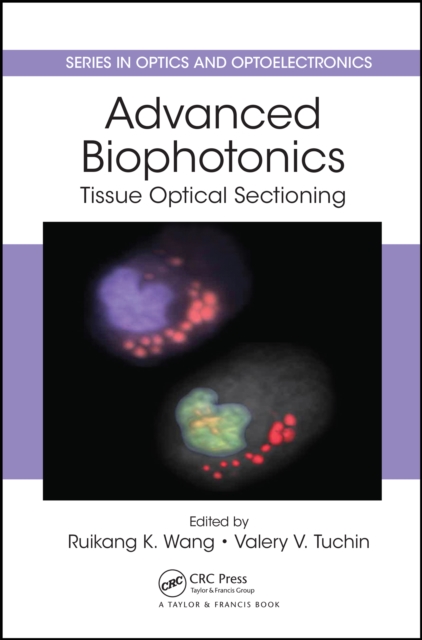
Despite a number of books on biophotonics imaging for medical diagnostics and therapy, the field still lacks a comprehensive imaging book that describes state-of-the-art biophotonics imaging approaches intensively developed in recent years.