Advances in fluorescent proteins, live-cell imaging, and superresolution instrumentation have ushered in a new era of investigations in cell biology, medicine, and physiology.
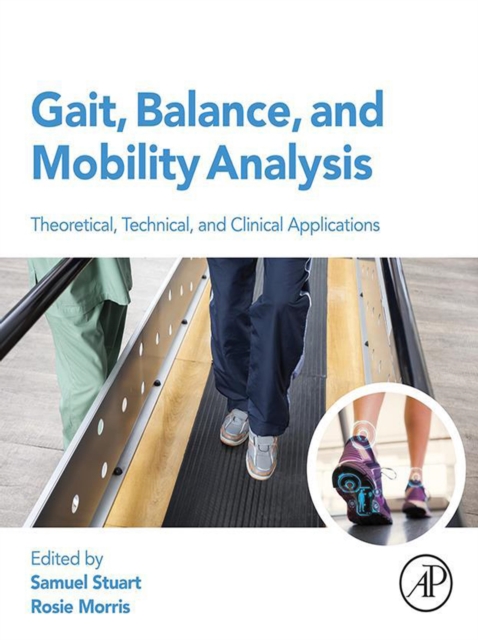
Gait, Balance, and Mobility Analysis: Theoretical, Technical, and Clinical Applications provides a comprehensive overview of gait and movement analysis techniques, from traditional motion capture to modern wearable technologies.
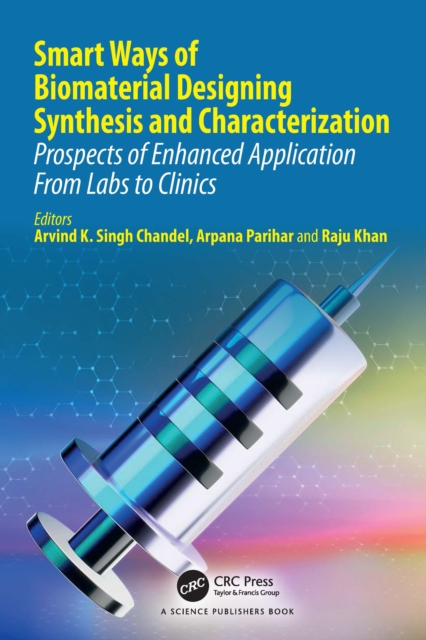
This book explores the design, synthesis, and characterization of natural and synthetic polymeric biomaterials for diverse biomedical applications, including drug delivery, tissue engineering, and antimicrobial coatings.
This book presents an evaluation of stem cells from human dental pulp as a reliable stem cell source for cell-based therapy to stimulate tissue regeneration.
This book presents an evaluation of stem cells from human dental pulp as a reliable stem cell source for cell-based therapy to stimulate tissue regeneration.
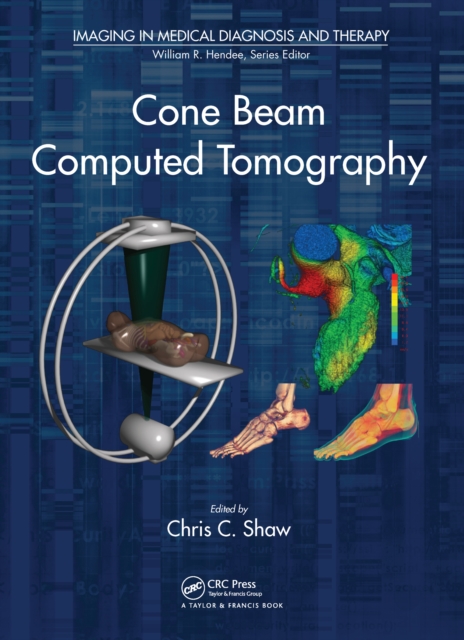
Conventional computed tomography (CT) techniques employ a narrow array of x-ray detectors and a fan-shaped x-ray beam to rotate around the patient to produce images of thin sections of the patient.
This book introduces 6G enabled healthcare systems and helps readers understand state-of-the-art techniques and applications for future healthcare systems.
This book introduces 6G enabled healthcare systems and helps readers understand state-of-the-art techniques and applications for future healthcare systems.
This book presents peer-reviewed contributions from the MICCAI 2023 Computational Biomechanics for Medicine CBM XVIII Workshop held in conjunction with the 26th International MICCAI Conference.
This book presents peer-reviewed contributions from the MICCAI 2023 Computational Biomechanics for Medicine CBM XVIII Workshop held in conjunction with the 26th International MICCAI Conference.
Predictive Analytics using MATLAB(R) for Biomedical Applications is a comprehensive and practical guide for biomedical engineers, data scientists, and researchers on how to use predictive analytics techniques in MATLAB(R) for solving real-world biomedical problems.
This accessible guide to advanced medical technologies and methodologies for monitoring, diagnosing, and predicting cardiovascular diseases addresses sensor technologies and non-invasive monitoring methods and looks at the growing integration of machine learning and AI.
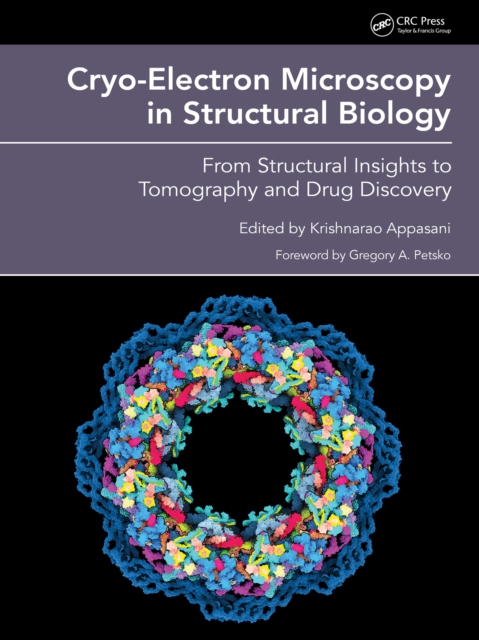
Cryo-electron microscopy, in combination with tomography, has emerged as a new technology for visualizing molecular structures at a resolution beyond even 1 A.
Dentistry is a branch of medicine with its own peculiarities and very diverse areas of action, which means that it can be considered as an interdisciplinary field.
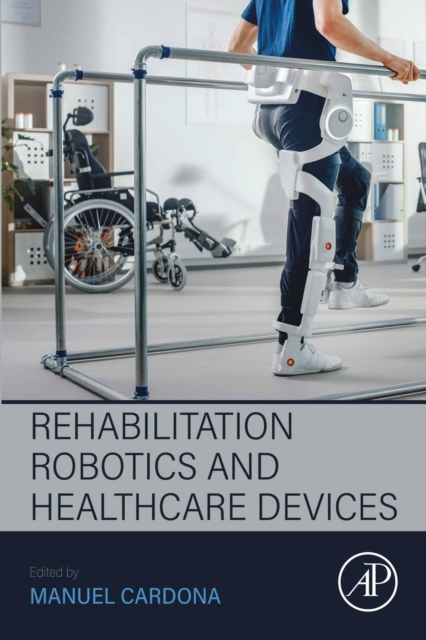
Rehabilitation Robotics and Healthcare Devices presents cutting-edge topics in rehabilitation robotics and healthcare devices, covering basic concepts and providing readers with enough information to solve various practical problems.
Rehabilitation Robotics and Healthcare Devices presents cutting-edge topics in rehabilitation robotics and healthcare devices, covering basic concepts and providing readers with enough information to solve various practical problems.
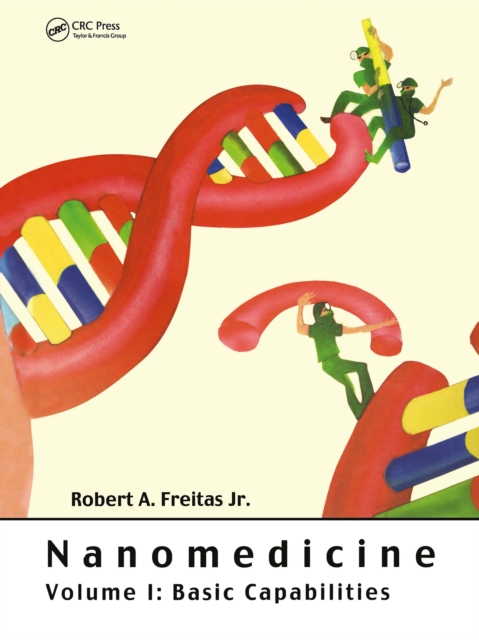
Molecular nanotechnology has been defined as the three-dimensional positional control of molecular structure to create materials and devices to molecular precision.
Clinical and Medical Innovation in Anesthesiology: Technology, Development, and Commercialization reflects recent trends of industry globalization and value-conscious healthcare.
Clinical and Medical Innovation in Anesthesiology: Technology, Development, and Commercialization reflects recent trends of industry globalization and value-conscious healthcare.
In a carefully crafted, multidisciplinary, skillfully focused format, Polymers for Vascular and Urogenital Applications covers attributes of polymers used for vascular, urological, and gynecological materials.
Self-powered Sensors: A Path to Wearable Electronics features recent developments in chemical, photonic, pharmaceutical, microbiological, biomimetic, and bio-inspired approaches for MEMS/NEMS and medicinal self-powered sensors.
Self-powered Sensors: A Path to Wearable Electronics features recent developments in chemical, photonic, pharmaceutical, microbiological, biomimetic, and bio-inspired approaches for MEMS/NEMS and medicinal self-powered sensors.
This book delves into the transformative potential of external energy in diagnosing and treating diseases, ranging from cancers to malaria, at their core.
This volume explores the latest advancements in the field of optogenetics and how it uses cellular light-sensing components and genetic engineering to control proteins and biological processes.
This volume explores the latest advancements in the field of optogenetics and how it uses cellular light-sensing components and genetic engineering to control proteins and biological processes.
Intelligent Computing Techniques in Biomedical Imaging provides comprehensive and state-of-the-art applications of Computational Intelligence techniques used in biomedical image analysis for disease detection and diagnosis.
Human Organs-on-a-Chip Technology focuses on the technology advancement from "e;organ-on-a-chip to "e;multi organs-on-a-chip to the newest stage of "e;human organs-on-a-chip.
Human Organs-on-a-Chip Technology focuses on the technology advancement from "e;organ-on-a-chip to "e;multi organs-on-a-chip to the newest stage of "e;human organs-on-a-chip.
This book provides readers with an accessible and up-to-date introduction to the field of low-field MRI, which is currently seeing a resurgence in both research and commercial activity.
As the third volume of The Biomedical Engineering Handbook, Fourth Edition, this book covers broad areas such as biosignal processing, medical imaging, infrared imaging, and medical informatics.
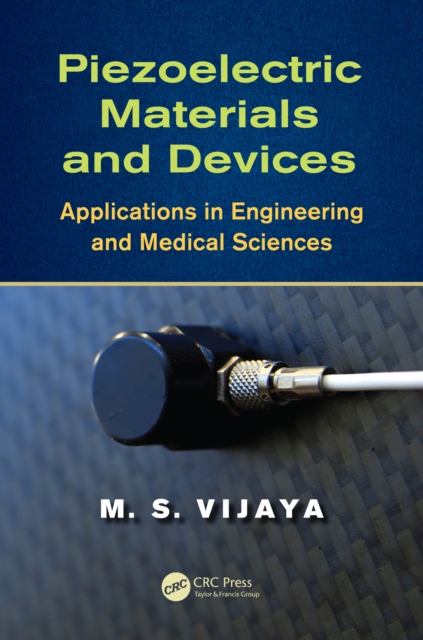
Starting from the fundamentals, this book provides a concise yet complete treatment of piezoelectric materials, an important class of smart materials which are useful as both actuators and sensors.
This book provides state-of-the-art information on ambient assisted living (AAL), and focuses on technologies, services, living spaces, policies, and interventions to promote health, improve quality of life, and active aging.
This book bridges the gap between biomechanics and engineering and presents advanced concepts and techniques for the analysis of motion in biological systems.
Multifunctional Nanostructured Coatings: Biomedical, Environmental, and Energy Applications offers core and advanced information about various nanomaterials and their synthetic approaches to nanostructured coatings.
Computational Approaches in Bioengineering, Volume 2-Computational Approaches in Biomaterials and Biomedical Engineering Applications is a comprehensive and up-to-date resource that provides a broad overview of the use of computational methods in the fields of biomaterials and biomedical engineering.
Over the last decades, there has been a revolution in the use of new intelligent technologies to analyze and interpret medical images for diseases diagnosis, assessment ad treatment.