Adopted children whose early development has been altered by abuse or neglect may form negative beliefs about themselves and parents, and may resist connecting with others.
The many unfounded myths and fears that surround working with people at the end of their lives are dispelled in this thoughtful book, and the authors provide both practical and emotional support for those involved in caring for dying patients.
Play Therapy and Asperger's Syndrome: Helping Children and Adolescents Grow, Connect, and Heal Through the Art of Play is for the mental health professional (psychologist, licensed counselor, licensed social worker) who utilizes play therapy and who works with children and adolescents diagnosed with Asperger's syndrome.
Music's ability to influence emotions and moods is universally acknowledged, and music therapists have long known that stimulating the brain through the auditory system is a key to obtaining remarkable responses.
Contemporary Art Therapy with Adolescents offers practical and imaginative solutions to the multifaceted challenges that clinicians face when treating young people.
An award-winning psychologist and professional photographer join forces in writing this unique creative guide to exploring and understanding your life: who you are, what you value, and what you wish to achieve.
Musical improvisation is an increasingly recognised rehabilitative therapy for people who have experienced traumatic brain injury initially thought to be `unreachable' or `non-responsive'.
Dying, Bereavement and the Healing Arts describes a range of successful programmes pioneered by artists, writers, nurses, musicians, therapists, social workers, and chaplains in palliative care settings.
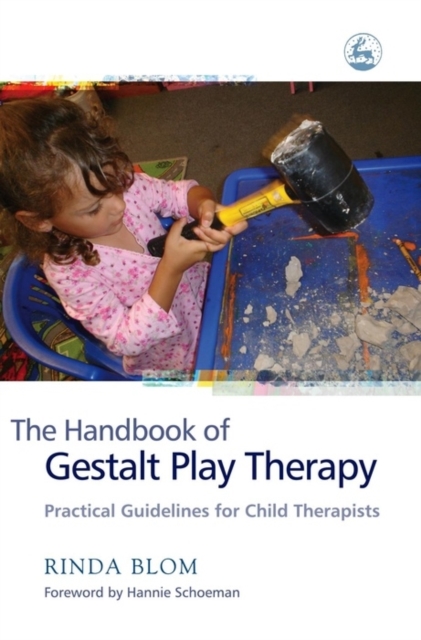
This book sets out a clear theoretical framework for Gestalt Play Therapy, giving examples of questions the therapists might ask the child at certain stages, and offering the whole gamut of play therapy and travelling through the therapeutic journey.
Reflecting the increasing recognition of the importance of the spiritual in healing, Spirituality and Art Therapy is an exciting exploration of the different ways in which the spiritual forms an essential, life-enhancing component of a well-rounded therapeutic approach.
Therapy is a critical element of work with abused children, offering them the opportunity to explore past experiences in a safe environment with the emotional support of a therapist.
At least one in five pregnancies ends in miscarriage, yet pregnancy loss remains a taboo topic and effective aftercare is rarely available for those who have experienced it.
This book is really a must-have for therapists and others in the creative arts, so that you can see how the workings of the human mind can be displayed through the arts.
Inner Journeying Through Art-Journaling introduces a holistic journaling process that combines art, art therapy, design theory and spiritual direction in order to attain personal balance, awareness of one's own inner processes, resolution of internal conflicts and enhanced wellness.
Arguing that the profession of art therapy has its roots in the studio environment, Catherine Moon proposes that it is now time to reclaim these roots, and make art once again central to art therapy.
This book is an exploration and critique of 'playback theatre', a form of improvised theatre in which a company of performers spontaneously enact autobiographical stories told to them by members of the audience.
Music is well known to have a significant effect on physiology and is widely used as an effective therapeutic tool in stress and pain management, rehabilitation, and behavior modification, but its effects are not well understood.
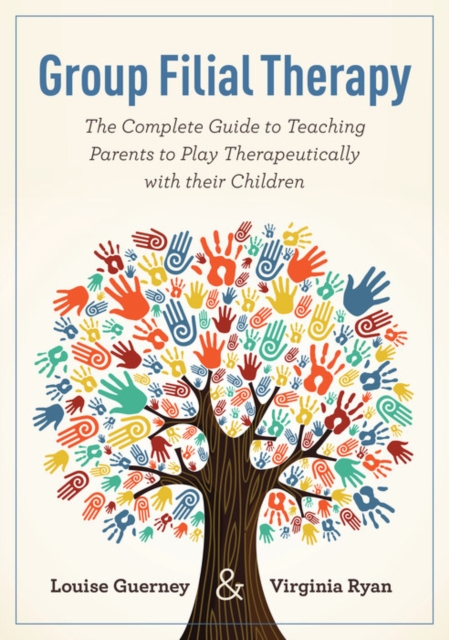
In Group Filial Therapy (GFT), therapists train parents to conduct play sessions with their own children to help meet children's therapeutic needs, and to transfer appropriate skills to family life.
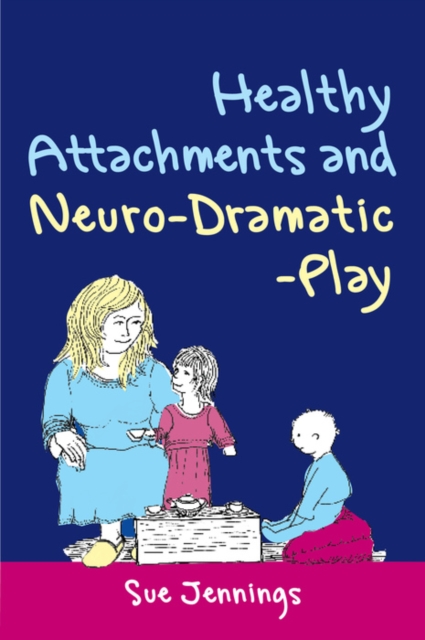
Breaking new ground in the areas of attachment and child development, Sue Jennings introduces the concept of 'Neuro-Dramatic-Play' exploring the sensory experiences that take place between mother and child during pregnancy and the first few months after birth.
Music therapists are trained to use their first study instrument in clinical practice, yet existing literature focuses almost exclusively on the use of piano, basic percussion and voice.
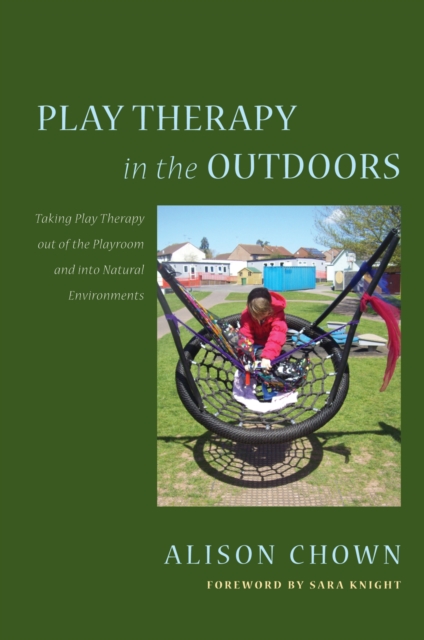
Championing the therapeutic power of nature, this book explores why outdoor play therapy offers children more than being confined to a playroom and how practice can be moved into the natural environment in a safe and ethical way.
Psychodrama and other action methods are especially helpful in the treatment of the classic eating disorders as well as dieting struggles, body dissatisfaction and associated issues of fear, sadness, silence and shame.
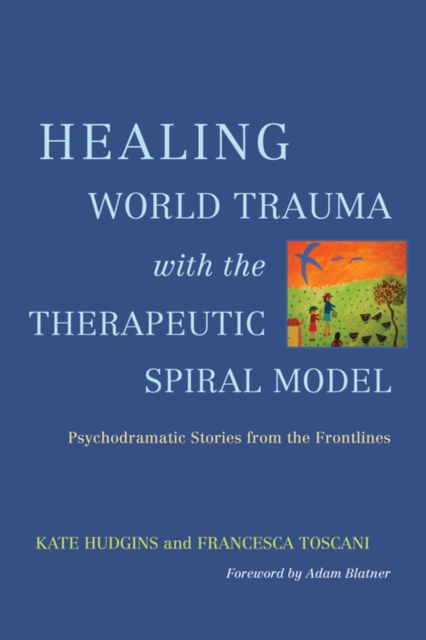
The Therapeutic Spiral Model (TSM) was developed as a clinical method of addressing deep issues of trauma, notably post-traumatic stress disorder (PTSD) relating to physical and emotional abuse and addiction.
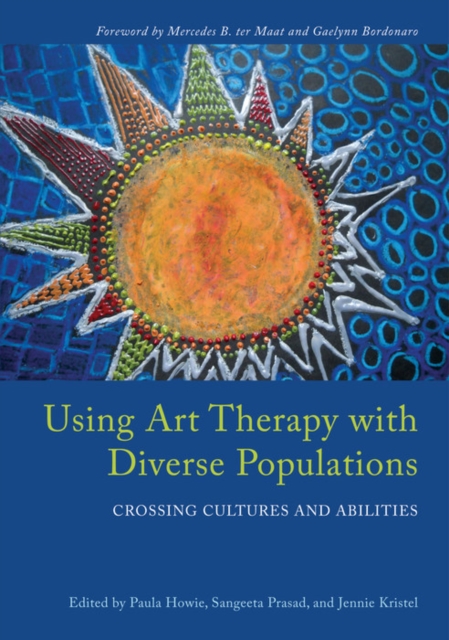
Whether working in urban areas with high levels of cultural diversity, providing art therapy to 'unique' populations such as prisoners or asylums seekers, or introducing art therapy programs to parts of the world in which it is not yet established, it is essential that therapists understand the importance of practicing in a culturally sensitive manner.
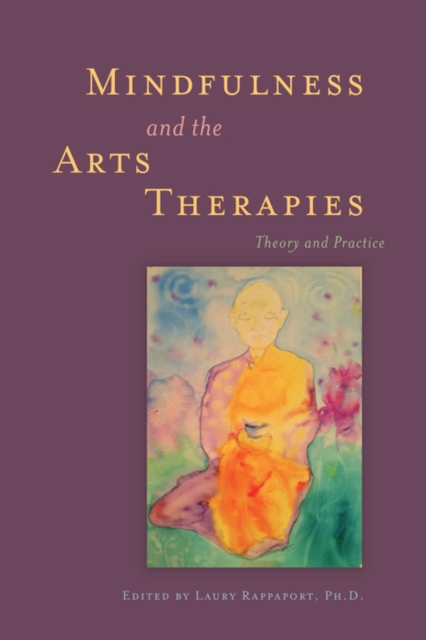
This ground-breaking book explores the theoretical, clinical and training application of integrating mindfulness with all of the arts therapies, and includes cutting-edge contributions from neuroscience.