This practical guide to running music therapy groups with senior citizens provides effective strategies that encourage therapists to be creative and engaging, and involve participants fully in the music-making process.
Writing Well is a practical handbook of creative writing exercises which forms the basis of an indirect, nonconfrontational approach specifically intended for therapeutic use within the mental health field.
Portrait therapy reverses the traditional roles in art therapy, utilising Edith Kramer's concept of the art therapist's 'third hand' to collaboratively design and paint their clients' portraits.
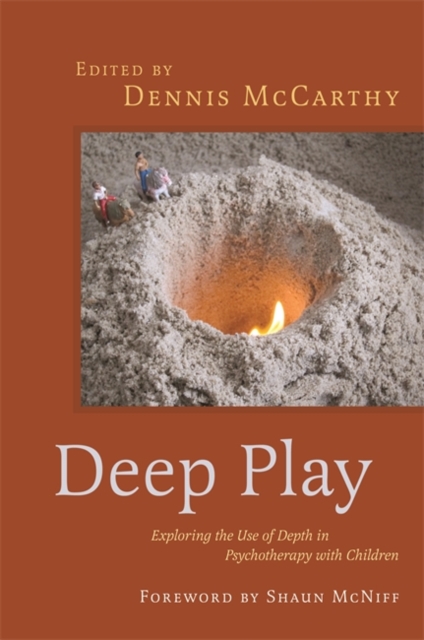
Renowned child therapist Clark Moustakas demonstrates how play can be used to affirm and liberate children_children who suddenly become troubled in their school or family lives and can work out their anger and fear in just a few sessions, as well as children who are seriously disturbed and must struggle to achieve emotional maturity, respect for others, and faith in themselves.
Music has always been an essential part of what it is to be human and yet not everyone has access to the music-based opportunities others take for granted.
This practical guide to running music therapy groups with senior citizens provides effective strategies that encourage therapists to be creative and engaging, and involve participants fully in the music-making process.
This comprehensive book brings together the voices of international art therapists with diverse backgrounds and experiences and asks them to consider the role of postmodernism in their understanding of art therapy.
There is a rapidly emerging and developing area of music therapy practice that uses electronic music technologies in a range of therapeutic and clinical settings to help clients with complex needs.
Forensic Music Therapy demonstrates diverse and innovative approaches, which include live, improvised and pre-composed music, from music therapy teams working in secure treatment settings.
Forensic Music Therapy demonstrates diverse and innovative approaches, which include live, improvised and pre-composed music, from music therapy teams working in secure treatment settings.
Writing Well is a practical handbook of creative writing exercises which forms the basis of an indirect, nonconfrontational approach specifically intended for therapeutic use within the mental health field.
Photography shows us how to look at things from different perspectives, to reflect, to communicate and to express ourselves in a way that goes beyond words.
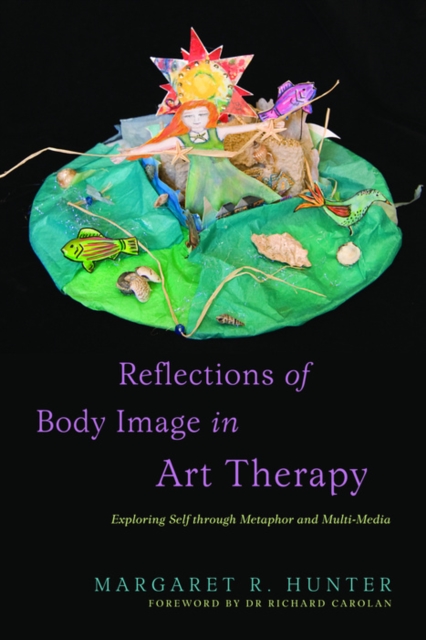
Recognising that problems with body image are often the lead cause of eating disorders, therapists are increasingly looking for innovative and effective ways to address these issues with clients.
Covering a range of embodied, trauma-informed approaches such as Acceptance and Commitment Therapy, Compassion-Focused Therapy, Eye Movement Desensitization and Reprocessing, mindfulness and yogic practices, this guide addresses the impact of trauma and shame in the development of body dysmorphic disorder.
Covering a range of embodied, trauma-informed approaches such as Acceptance and Commitment Therapy, Compassion-Focused Therapy, Eye Movement Desensitization and Reprocessing, mindfulness and yogic practices, this guide addresses the impact of trauma and shame in the development of body dysmorphic disorder.
There is a rapidly emerging and developing area of music therapy practice that uses electronic music technologies in a range of therapeutic and clinical settings to help clients with complex needs.
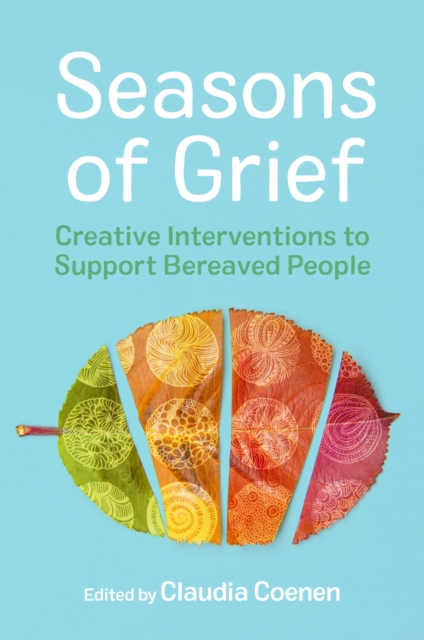
The quiet letting go of Autumn, the reflective stillness of Winter, the bright rebirth of Spring, and the flourishing warmth of Summer trace the natural path of grief as it grows and changes to fit the spaces left behind by those we love.
The quiet letting go of Autumn, the reflective stillness of Winter, the bright rebirth of Spring, and the flourishing warmth of Summer trace the natural path of grief as it grows and changes to fit the spaces left behind by those we love.
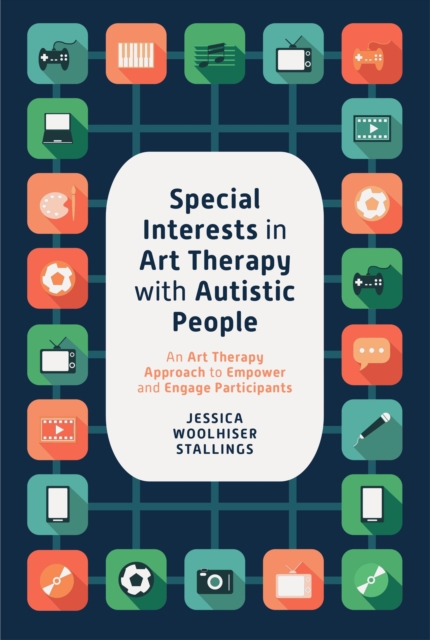
Introducing the Special Interest Communication Theory (SICT) Facilitative Framework, this guide will help you to support autistic clients and meet their needs through special interests and pop culture.
Introducing the Special Interest Communication Theory (SICT) Facilitative Framework, this guide will help you to support autistic clients and meet their needs through special interests and pop culture.
Laying out a new integrative approach to the treatment of depression, this book looks at the biological, psychological, social and spiritual dimensions of clinical art therapy.
Analytical Music Therapy, The Bonny Method of Guided Imagery and Music, Nordoff-Robbins Music Therapy, and Vocal Psychotherapy are commonly studied and in conjunction with music therapy.
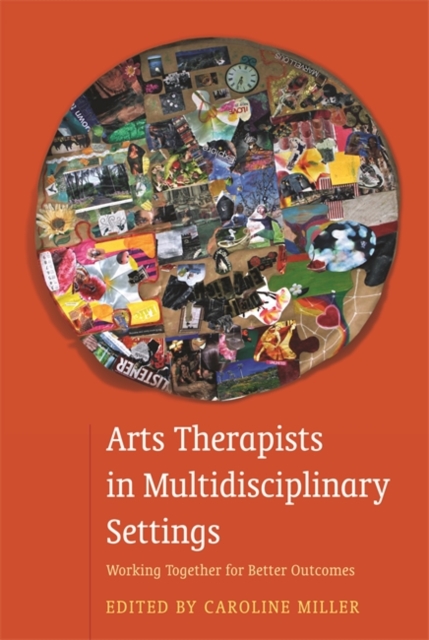
In a multidisciplinary setting or team, competing perspectives and principles can be challenging to negotiate, but supportive working relationships and effective collaboration can ultimately lead to an enriched experience and innovative outcomes for both professionals and clients.
This comprehensive book describes well-defined models of music therapy for working with families in different clinical areas, ranging from families with special needs children or dying family members through to families in psychiatric or paediatric hospital settings.
Analytical Music Therapy, The Bonny Method of Guided Imagery and Music, Nordoff-Robbins Music Therapy, and Vocal Psychotherapy are commonly studied and in conjunction with music therapy.
Laying out a new integrative approach to the treatment of depression, this book looks at the biological, psychological, social and spiritual dimensions of clinical art therapy.