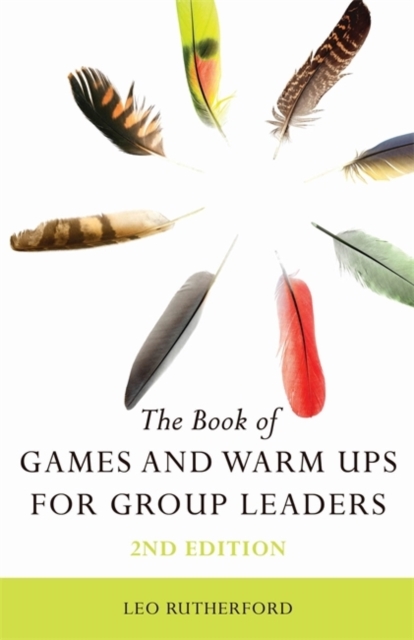
Based on Shamanic principles and the philosophy that laughter and play are basic human needs that feed the soul and unleash natural creativity, the tried, tested and proven activities in this book can be used with all ages.
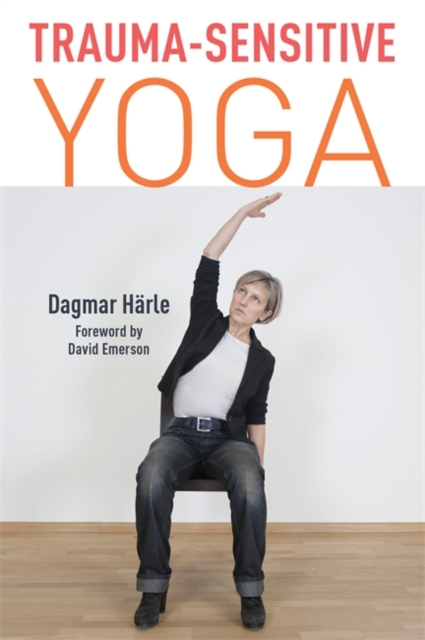
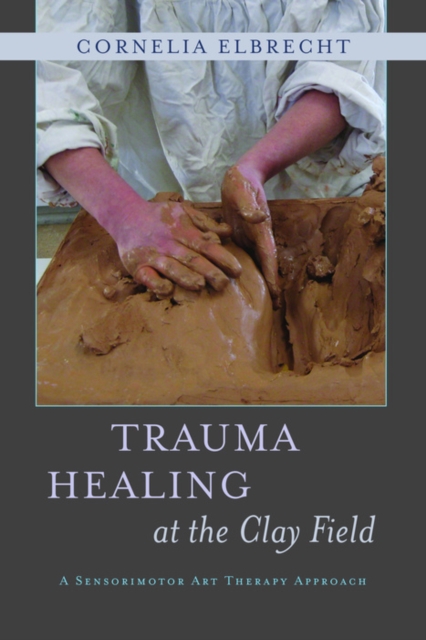
Traumatic events are more than a narrative or singular event in a person's life; the body remembers traumatic events and can experience them over and over, even after many years have passed.
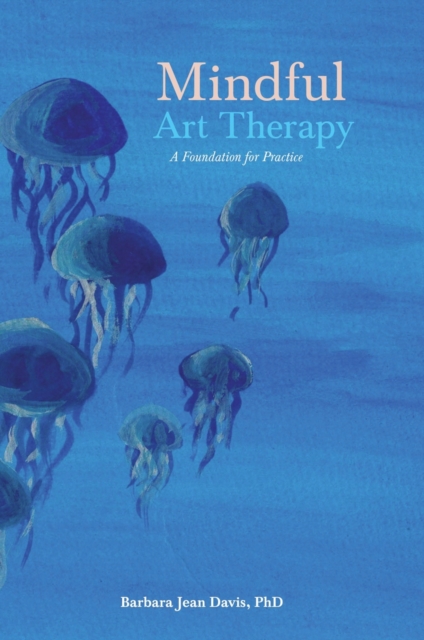
The mindful art therapy presented in this book places inner contemplation, openness and visual language at its centre, showing how traditional Eastern wisdom can be integrated into modern psychotherapeutic practice for mind-body wellness.
Working as an independent contractor or in private practice is often the ideal scenario for creative therapists who want to control their own career and make decisions about the jobs and clients they take on.
Due to the complicated nature of using art and art materials in clinical practice, art therapists are often confronted with ethical considerations that are unique to their field.
Theatre of Witness is a model of performance that gives voice to those who have been marginalized, forgotten or unheard in society, creating a safe forum for audiences to bear witness to real-life accounts of suffering and transformation.
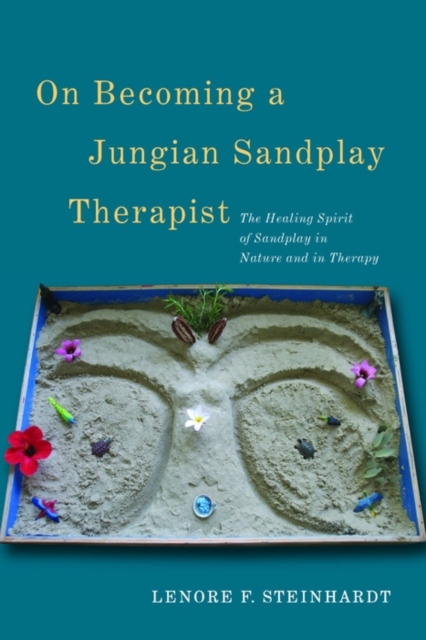
On Becoming a Jungian Sandplay Therapist discusses the deep inner process of entering the sandplay profession and addresses important creative aspects of understanding and practising sandplay.
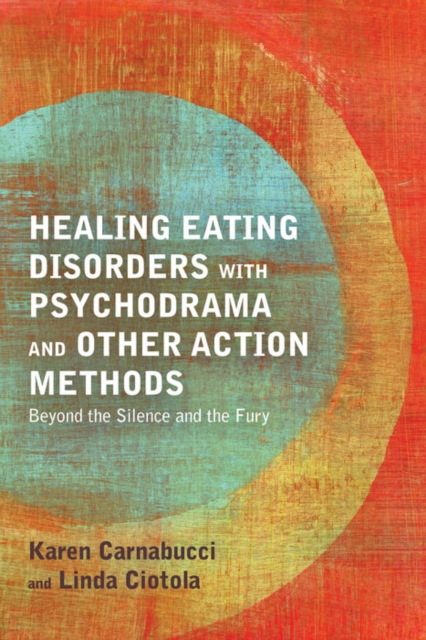
Psychodrama and other action methods are especially helpful in the treatment of the classic eating disorders as well as dieting struggles, body dissatisfaction and associated issues of fear, sadness, silence and shame.
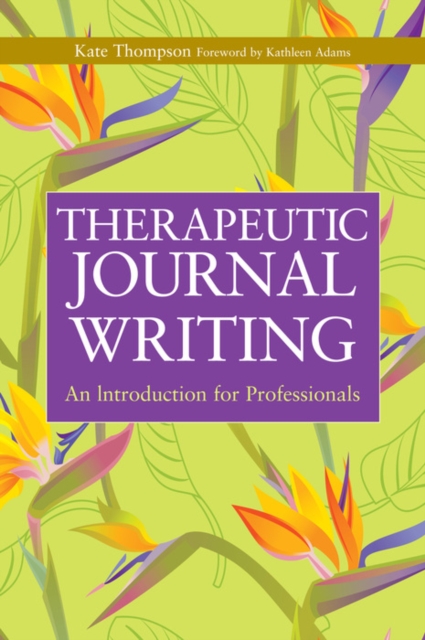
Writing a journal is not just about keeping a record of daily events - journal writing provides a unique therapeutic opportunity for facilitating healing and growth.
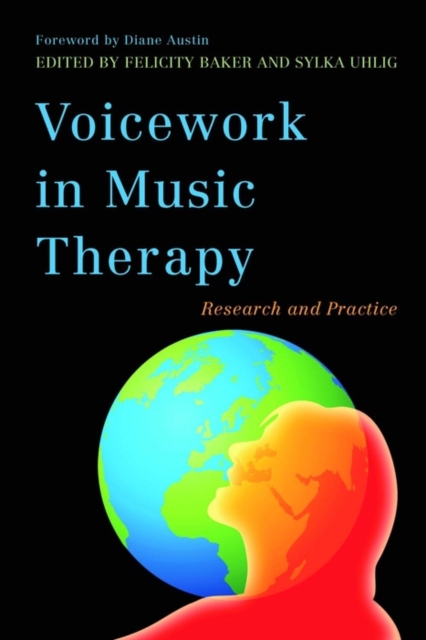
The voice is a powerful instrument in music therapy practice and this anthology of voicework techniques explores everything the practitioner and researcher needs to know in order to bring about successful vocal interventions across a broad range of client groups.
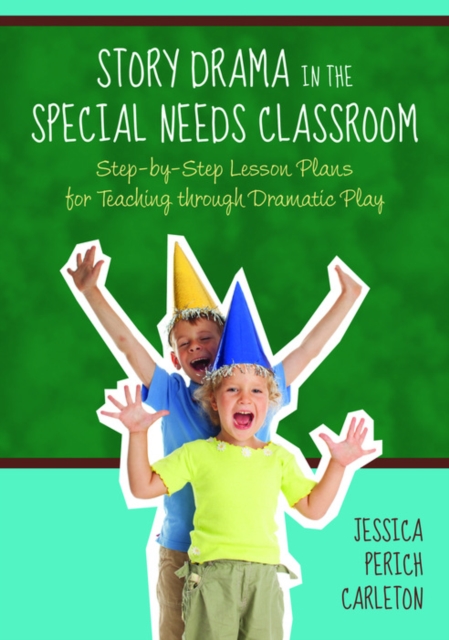
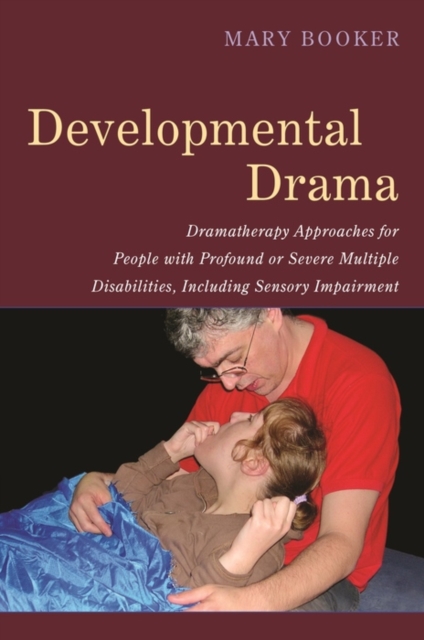
Introducing drama to the learning experience is guaranteed to enrich a child's development, and is an especially effective approach for children with special educational needs, including those with autism spectrum disorders.
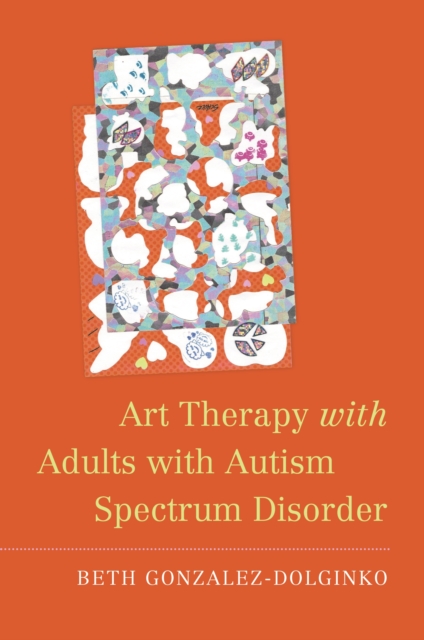
There is a distinct lack of art therapy literature on working with adults with autism spectrum disorders, and this book combats this dearth by looking at the theory and practice of working with this client group.
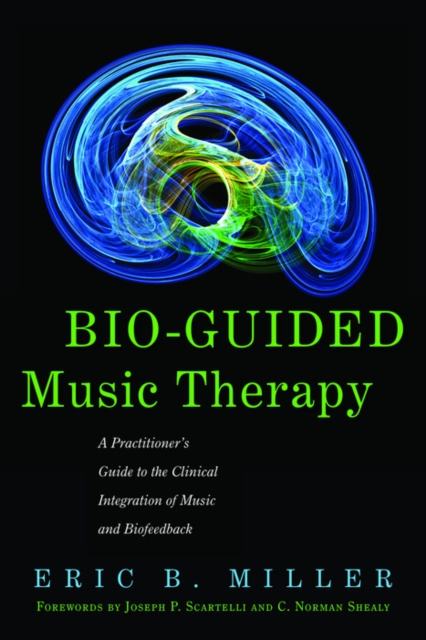
Bio-Guided Music Therapy explores the clinical integration of music and biofeedback, providing the practitioner with a rationale, historical context and detailed step-by-step instructions for implementing real-time physiological data driven music therapy.
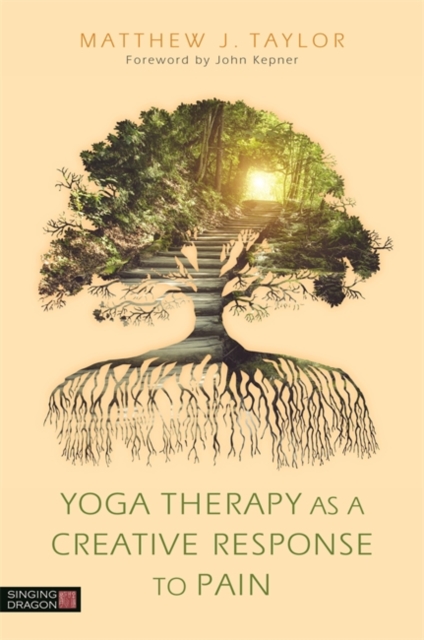
Supporting yoga therapists to create a programme of care for those living with chronic pain, this guide brings pain science, creativity and yoga together for the first time.
Separated into seven categories for easy reference, the techniques within each chapter are applied to practice situations in a concise format for easy reference and use.
Using a contemporary synthesis of Jungian and Post-Jungian imaginal perspectives, animate ecological phenomenology, somatics and recent scholarship in dance movement and progressive spiritualities, this unique book discusses how the promotion of a fluid relationship between imagination and movement can bring the mover back into relationship with soul and spirit.
Art and the therapeutic uses of art provide older adults with valuable ways in which to express and share their feelings, needs and fears, and with a resource for coping with life's major changes.
Bringing together a wide range of European thought on music therapy practice, this book provides a deeper insight into the aspects of the therapeutic process which are enabled by music.
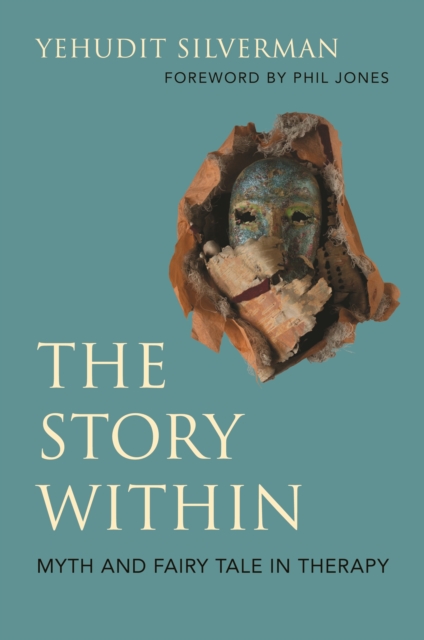
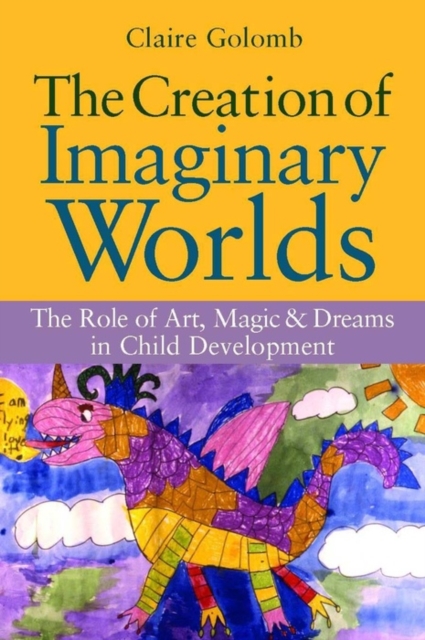
Alongside the world of everyday reality, the young child develops a rich imaginary world of child art, make-believe play, imaginary friends, fairy tales and magic.
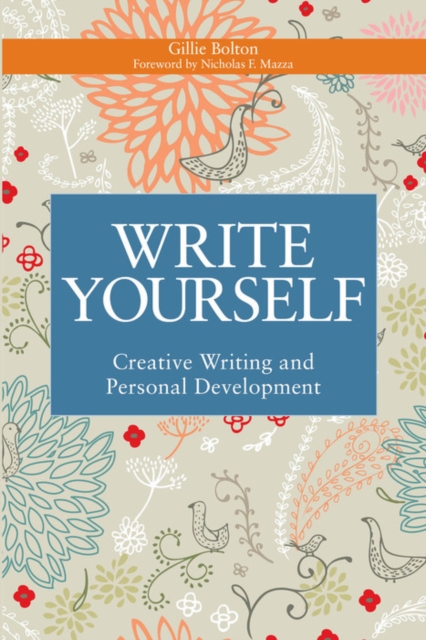
Write Yourself is the ideal introduction to how to facilitate groups and individuals in finding inspiration for their creative personal writing voices.
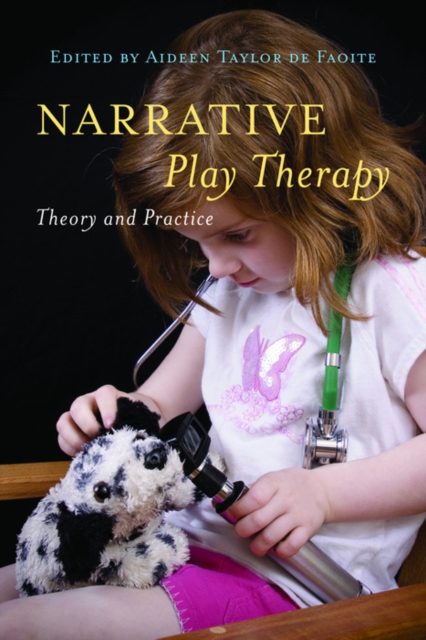
Narrative Play Therapy is a highly effective play-based psychological intervention that enables therapists to help children communicate difficult experiences and complex emotions through co-constructed stories.
Children and Adolescents in Trauma presents a variety of creative approaches to working with young people in residential children's homes, secure or psychiatric units, and special schools.
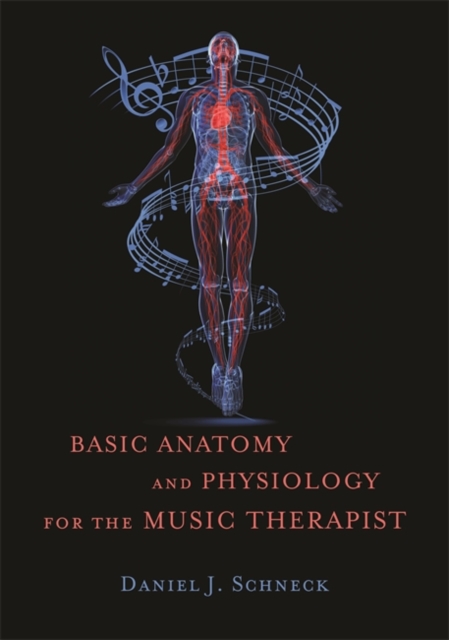
Providing need-to-know information about the human body for music therapists, this book covers the elements of anatomy and physiology that are of particular relevance to clinical practice.
As art therapy rapidly makes its mark across Asia, this book documents how the field of art therapy is taking shape as both a profession and a discipline in this region.
Providing people with dementia with opportunities to engage in creative activity can play a crucial role in maintaining and enhancing communication, and in reinforcing personhood and identity.
Championing the therapeutic power of nature, this book explores why outdoor play therapy offers children more than being confined to a playroom and how practice can be moved into the natural environment in a safe and ethical way.