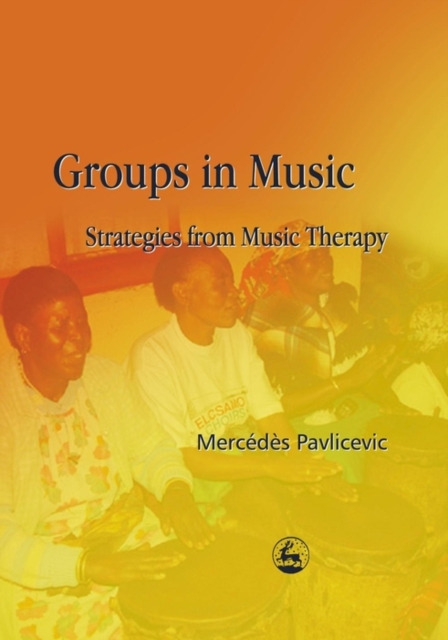
Music in Groups happens all the time: in the street, the classroom, in music colleges, community centres, hospitals, prisons, churches and concert halls; at raves, weddings, music festivals, public ceremonies, music therapy sessions, group music lessons, concerts and rehearsals.
The use of creative writing as a route to personal development is a powerful therapeutic tool - a fact that is recognized in the growing numbers of workshops and writing groups within professional contexts, including clinical, health and criminal justice settings.
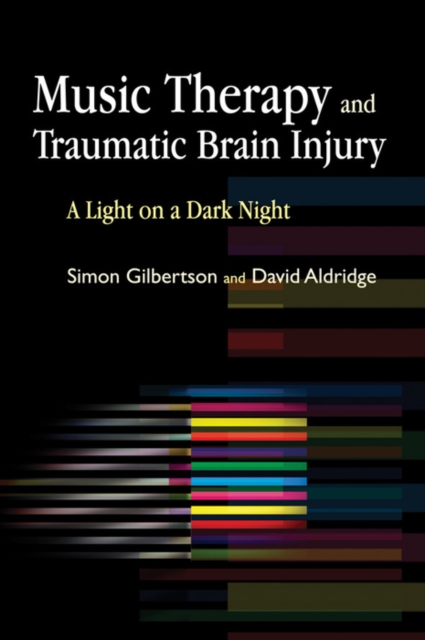
Musical improvisation is an increasingly recognised rehabilitative therapy for people who have experienced traumatic brain injury initially thought to be `unreachable' or `non-responsive'.
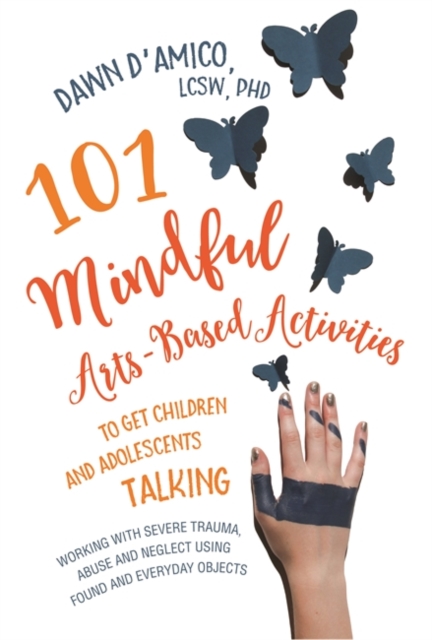
Therapy is a critical element of work with abused children, offering them the opportunity to explore past experiences in a safe environment with the emotional support of a therapist.
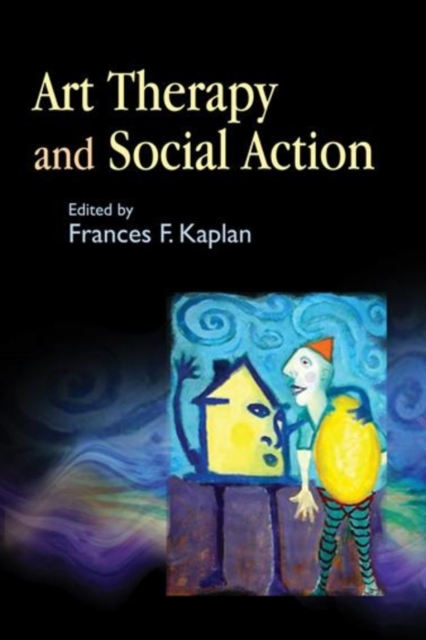
Art Therapy and Social Action is an exciting exploration of how professionals can incorporate the techniques and approaches of art therapy in their work to address social problems.
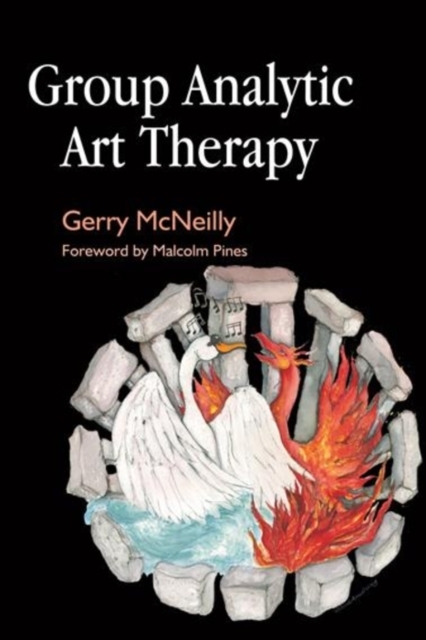
Group Analytic Art Therapy, written by an internationally renowned psychotherapist, provides readers with a practical and theoretical framework for using group art therapy in a range of settings.
Reflecting the increasing recognition of the importance of the spiritual in healing, Spirituality and Art Therapy is an exciting exploration of the different ways in which the spiritual forms an essential, life-enhancing component of a well-rounded therapeutic approach.
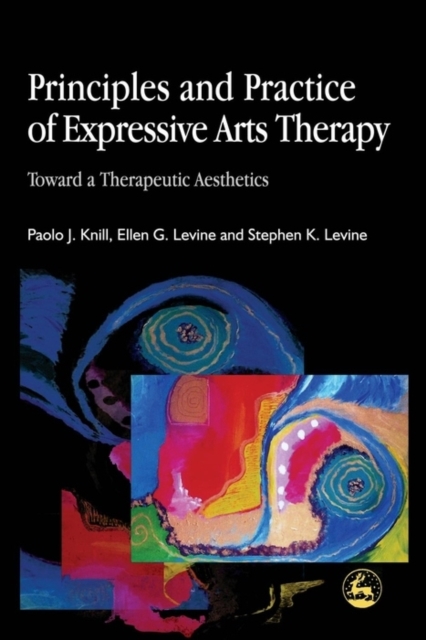
Challenging traditional therapeutic approaches to the arts in which art is often secondary to a psychological model, Principles and Practice of Expressive Arts Therapy provides a coherent theoretical framework for an expressive arts therapy practice that places the process of art-making and the art work itself at the center.
This book is an exploration and critique of 'playback theatre', a form of improvised theatre in which a company of performers spontaneously enact autobiographical stories told to them by members of the audience.
Inner Journeying Through Art-Journaling introduces a holistic journaling process that combines art, art therapy, design theory and spiritual direction in order to attain personal balance, awareness of one's own inner processes, resolution of internal conflicts and enhanced wellness.
Music is well known to have a significant effect on physiology and is widely used as an effective therapeutic tool in stress and pain management, rehabilitation, and behavior modification, but its effects are not well understood.
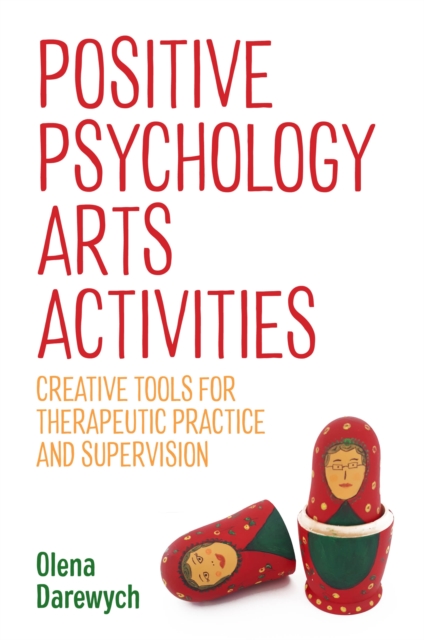
This book contains a wealth of practical arts activities, which creatively and playfully bring positive psychology concepts - such as flow, character strengths, goals and self-awareness - to life.
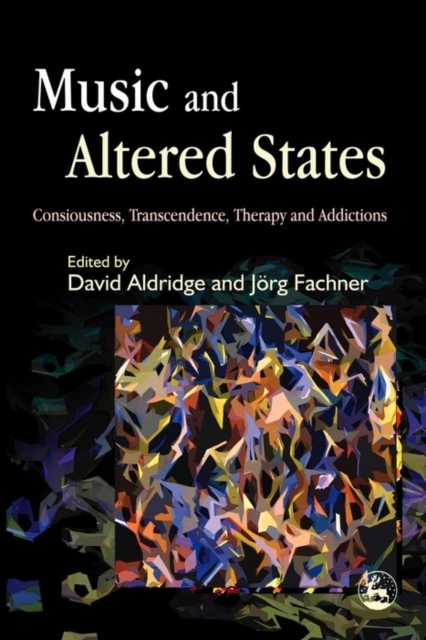
This international collection examines the opportunities for using music-induced states of altered consciousness to promote physical and mental healing, treat substance dependence, and in spiritual and palliative care.
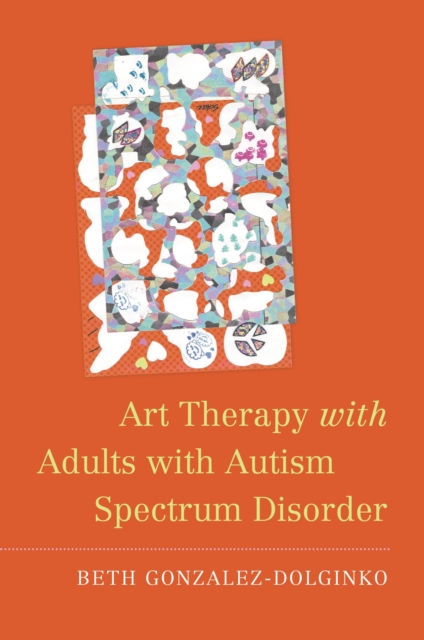
There is a distinct lack of art therapy literature on working with adults with autism spectrum disorders, and this book combats this dearth by looking at the theory and practice of working with this client group.
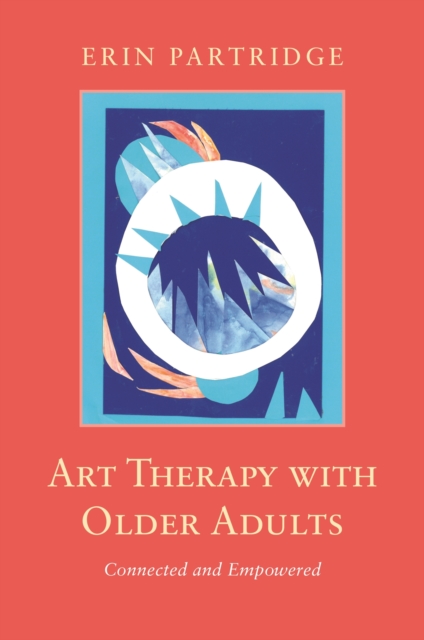
This book outlines a framework for art therapy with older adults rooted in a belief in the autonomy and self-efficacy of older adults, including those with dementia or other diseases of later life.
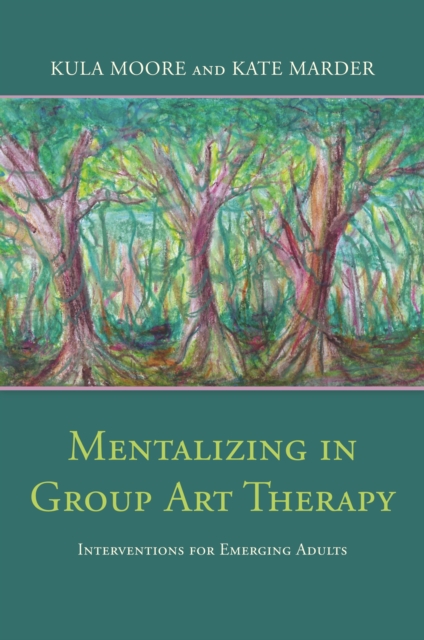
By creating a therapeutic outlet for processing and self-expression, art therapy is an especially effective way to help emerging adults to develop their mentalizing faculty.
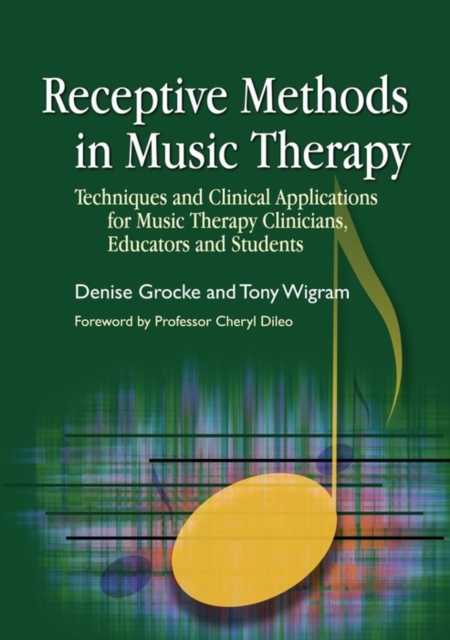
This practical book describes the specific use of receptive (listening) methods and techniques in music therapy clinical practice and research, including relaxation with music for children and adults, the use of visualisation and imagery, music and collage, song-lyric discussion, vibroacoustic applications, music and movement techniques, and other forms of aesthetic listening to music.
This photocopiable activity book helps teens and tweens who are feeling voiceless, ineffective or fearful in response to events at a world, community or individual level.
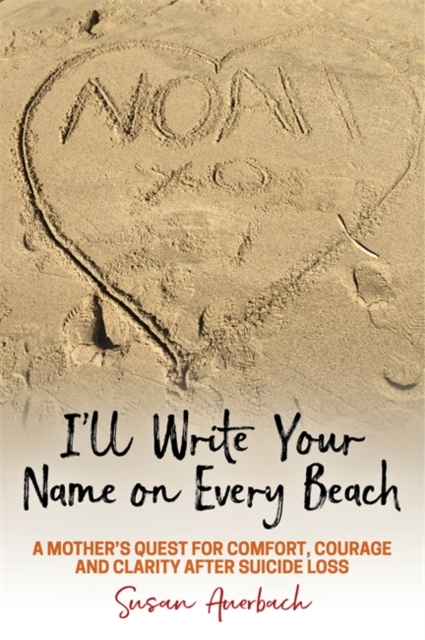
Written by a mother who lost her 21 year old son to suicide, this book deals with the themes of suicide loss through the lens of the author's personal grief.
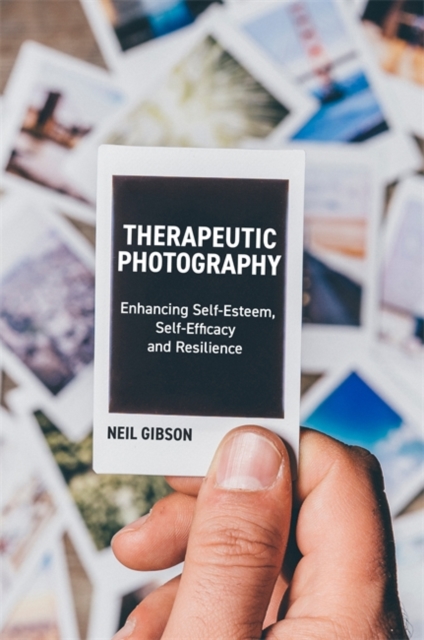
Therapeutic photography is an increasingly popular approach for increasing self-esteem, resilience and self-reliance in a wide range of people, including those with dementia, autism or mental health problems, school children and offenders.
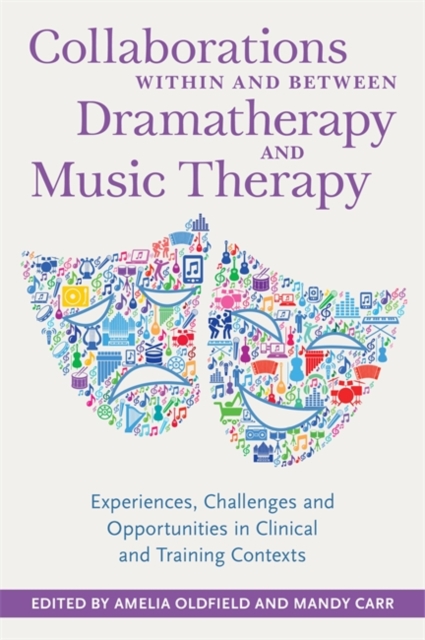
In this insightful book, Oldfield and Carr draw together persuasive arguments for combining aspects of music therapy and dramatherapy, whilst retaining their unique facets.
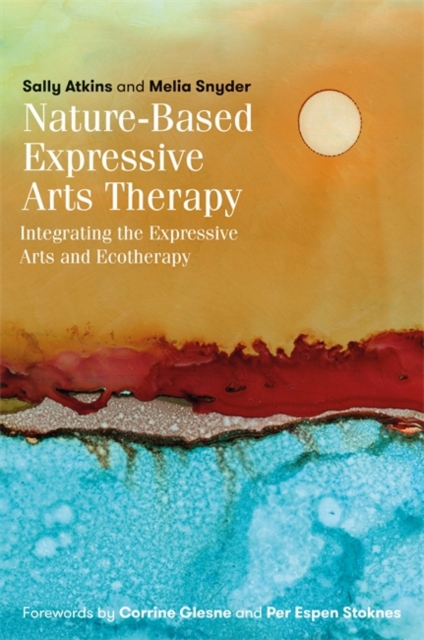
Responding to the increased interest in the integration of expressive arts and ecotherapy, this book presents a nature-based approach to expressive arts work.
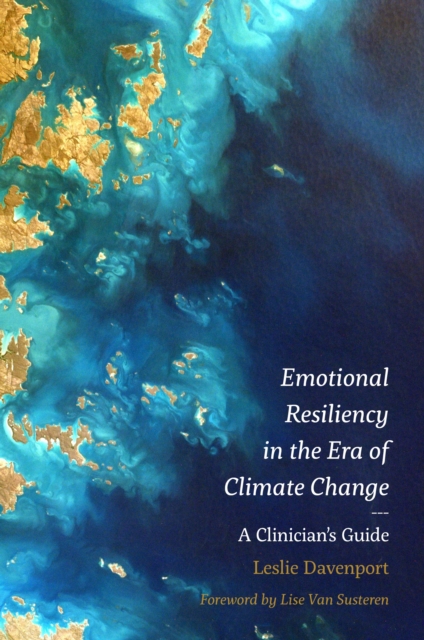
Although the environmental and physical effects of climate change have long been recognised, little attention has been given to the profound negative impact on mental health.
Contributions from early childhood educators, teachers, psychologists, music therapists, occupational therapists, and psychotherapists highlight the crucial role that early relationships and interactions in group settings play in the development of children's personal, emotional and social skills.
Combining rhythmic music and movement with cognitive reflection and mindfulness, this comprehensive handbook shows how drumming and other rhythm-based exercises can have a powerful effect in individual, group and family settings.
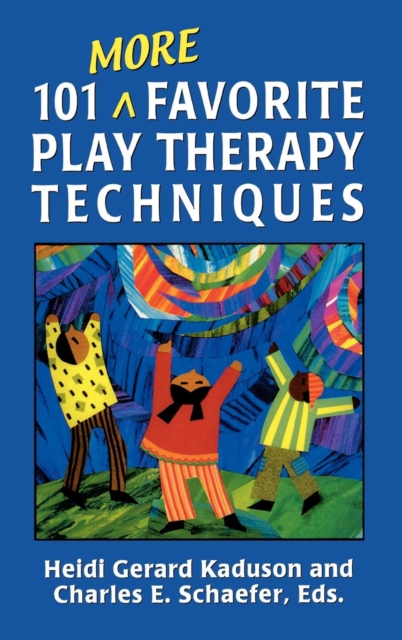
Separated into seven categories for easy reference, the techniques within each chapter are applied to practice situations in a concise format for easy reference and use.
This book provides a broad introduction to the scientific and psychological study of music, exploring how music is processed by our brains, affects us emotionally, shapes our personal and cultural identities, and can be used in therapeutic and educational contexts.