Theory in School-Based Occupational Therapy Practice: A Practical Application addresses a critical need in the school-based occupational therapy practice community for a model of integrating theory-based decision making in school practice.
Applied Theories in Occupational Therapy: A Practical Approach, Second Edition provides a system-based, comprehensive overview of the theories, models, and frames of reference that influence occupational therapy around the world.
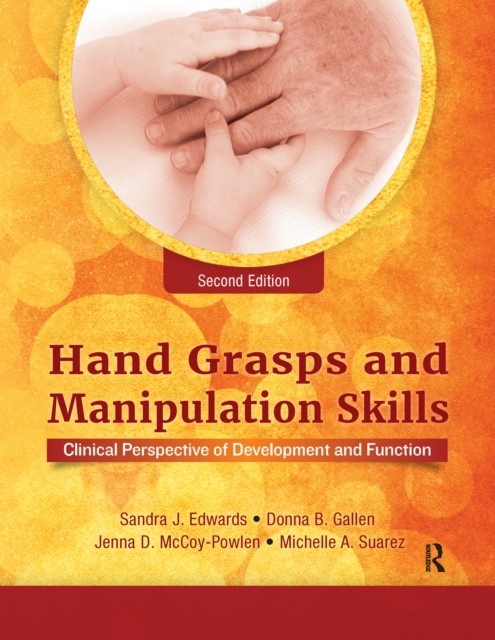
Hand Grasps and Manipulation Skills: Clinical Perspective of Development and Function, Second Edition is an expertly designed and logically organized text that provides an accurate and clear depiction of the development of hand grasps and the taxonomy of functional hand grasp.
Complementary Health Approaches for Occupational Therapists provides practitioners and students with foundational knowledge on complementary and integrative health.
The best-selling, newly updated occupational therapy textbook Documentation Manual for Occupational Therapy, Fifth Edition, is made for students and early-career practitioners learning the critical skill of documentation.
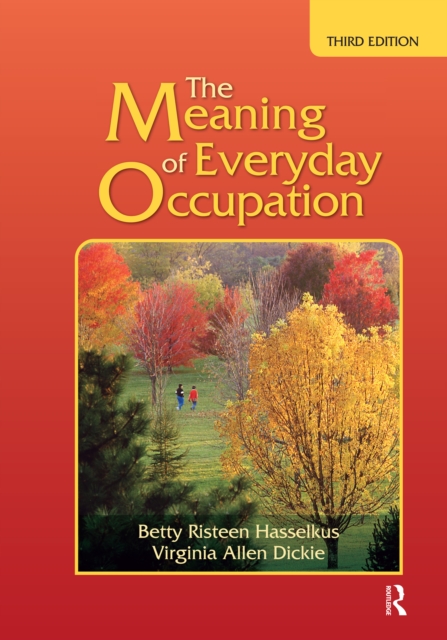
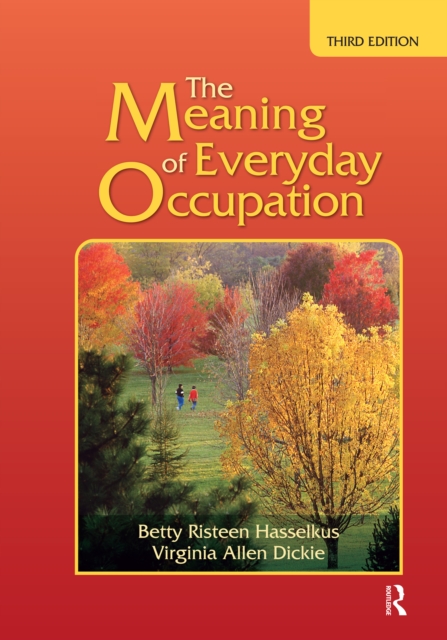
Newly updated to address emerging directions in occupational therapy and occupational science, The Meaning of Everyday Occupation, Third Edition encourages occupational therapy personnela "e;students, educators, researchers, and practitionersa "e;to recognize humans as occupational beings and to understand the meaning and significance of everyday occupation in day-to-day life.
Kinesiology for Occupational Therapy, Third Edition covers the theoretical background for understanding the kinematics and kinetics of normal human physiological movement.
Written by a leading child psychologist, this clearly written and practical book provides a template for interpreting change and meaning in children's lives through their play activity.
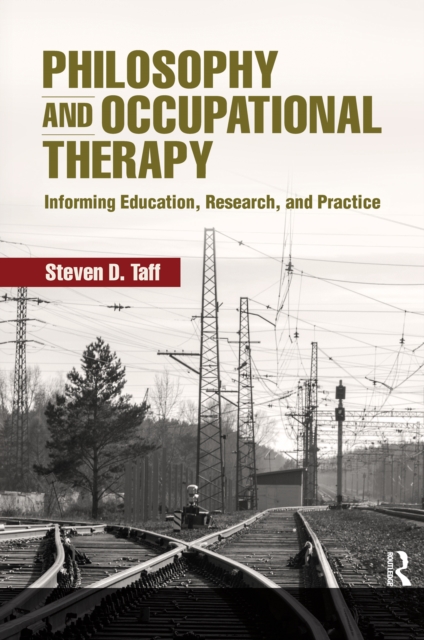
Philosophy and Occupational Therapy: Informing Education, Research, and Practice provides an overview of the most influential philosophical movements from past to present and shows how these philosophies are a foundational, yet underutilized, element of occupational therapy education, research, and practice.
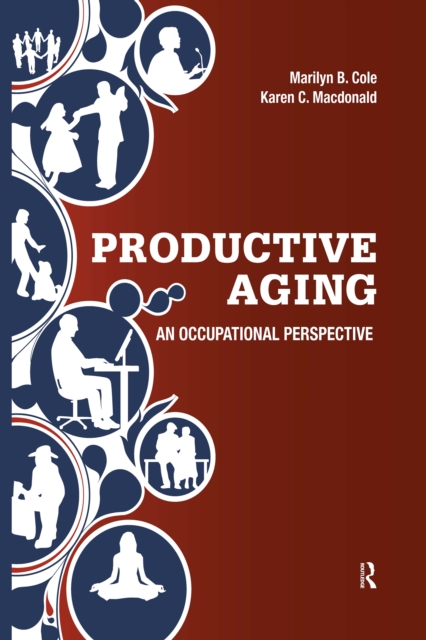
Productive Aging: An Occupational Perspective is a concise and practical text that takes a fresh look at our rapidly expanding and diverse older population.
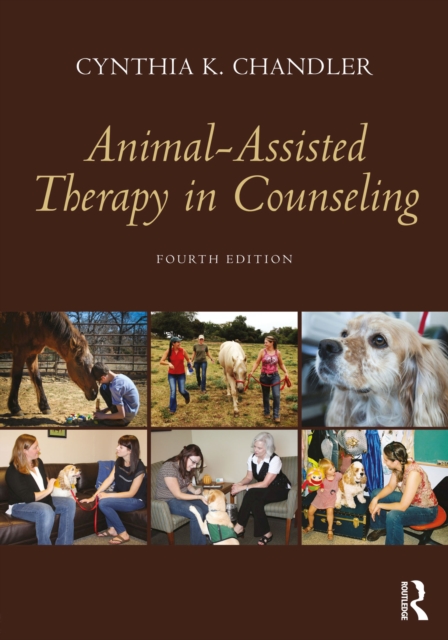
The fourth edition of Animal-Assisted Therapy in Counseling is the most comprehensive book available dedicated to training mental health practitioners in the performance of animal-assisted therapy in counseling.
The fourth edition of Animal-Assisted Therapy in Counseling is the most comprehensive book available dedicated to training mental health practitioners in the performance of animal-assisted therapy in counseling.
The best-selling, newly updated occupational therapy textbook Documentation Manual for Occupational Therapy, Fifth Edition, is made for students and early-career practitioners learning the critical skill of documentation.
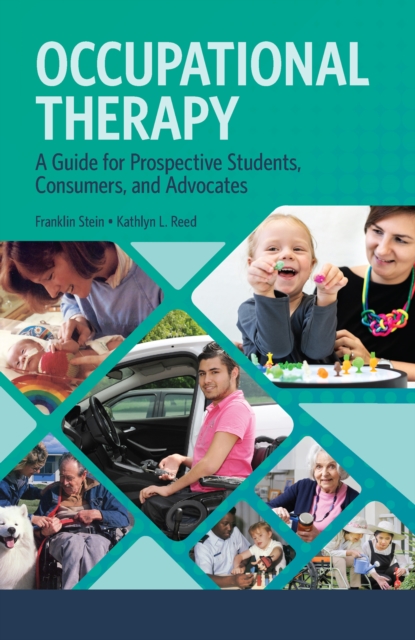
A helpful resource that explains occupational therapy for students, clients, families, school counselors, and health professionals, Occupational Therapy: A Guide for Prospective Students, Consumers, and Advocates provides an understanding of what occupational therapists do to help people function in everyday activities.
A leading resource for occupational therapy practitioners and students for 20 years, now updated with the latest information in the profession, Quick Reference Dictionary for Occupational Therapy, Seventh Edition is a resource for daily practice and academic training.
The popular occupational therapy textbook Physical Agent Modalities: Theory and Application for the Occupational Therapist has been newly updated and revised into a comprehensive Third Edition.
The go-to guide for nearly 50 years for occupational therapists working with adults with visual, perceptual, and cognitive deficits after brain injury is back for a Fifth Edition.
The popular occupational therapy textbook Physical Agent Modalities: Theory and Application for the Occupational Therapist has been newly updated and revised into a comprehensive Third Edition.
For nearly 20 years, An Occupational Perspective of Health has been a valuable text for health practitioners with an interest in the impact of what people do throughout their lives.
A helpful resource that explains occupational therapy for students, clients, families, school counselors, and health professionals, Occupational Therapy: A Guide for Prospective Students, Consumers, and Advocates provides an understanding of what occupational therapists do to help people function in everyday activities.
While evidence-based practice (EBP) has greatly influenced rehabilitation in the past decade, it continues to evolve and practitioners need guidance to implement evidence into their practice.
Pediatric Stroke Rehabilitation: An Interprofessional and Collaborative Approach is a groundbreaking text designed to enhance the practice of all health care providers, enrich discussion, and emphasize the interdisciplinary nature of managing best outcomes for a child who has had a stroke.
A new resource for school-based occupational therapists, Occupational Therapy Groups for Addressing Mental Health Challenges in School-Aged Populations: A Tier 2 Resource is a collection of occupation-based group interventions and tools that can be used to support students at risk for or with identified mental health challenges.
It is surprising that there is no a go-toa resource for the occupational therapy or occupational therapy assistant student to have when they embark on their professional journey.
Hand Grasps and Manipulation Skills: Clinical Perspective of Development and Function, Second Edition is an expertly designed and logically organized text that provides an accurate and clear depiction of the development of hand grasps and the taxonomy of functional hand grasp.
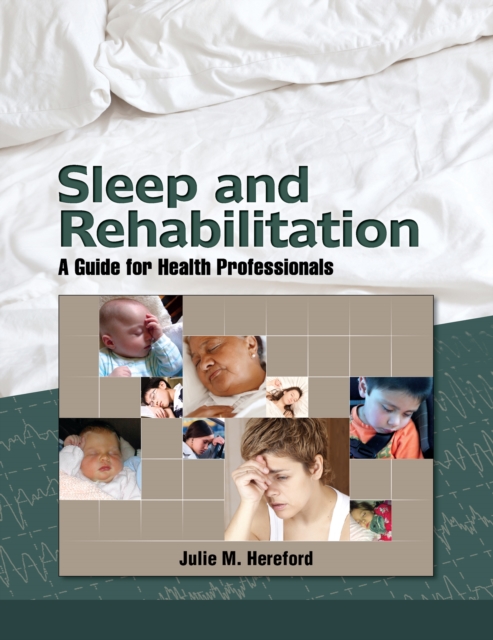
Sleep and Rehabilitation: A Guide for Health Professionalsis a concise reference for the health professional looking to further understand sleep and how sleep science may impact particular areas of various rehabilitation disciplines.
Newly updated to address emerging directions in occupational therapy and occupational science, The Meaning of Everyday Occupation, Third Edition encourages occupational therapy personnela "e;students, educators, researchers, and practitionersa "e;to recognize humans as occupational beings and to understand the meaning and significance of everyday occupation in day-to-day life.
Pocket Guide to Intervention in Occupational Therapy, Second Edition builds upon the strengths of the first edition as a useful quick reference of occupational therapy terms and interventions regarding specific diagnoses and conditions.
When most people think of professionalism, ethics, or moralism, they often think of a set of rules for distinguishing between right and wrong, such as the proverbial Golden Rule.
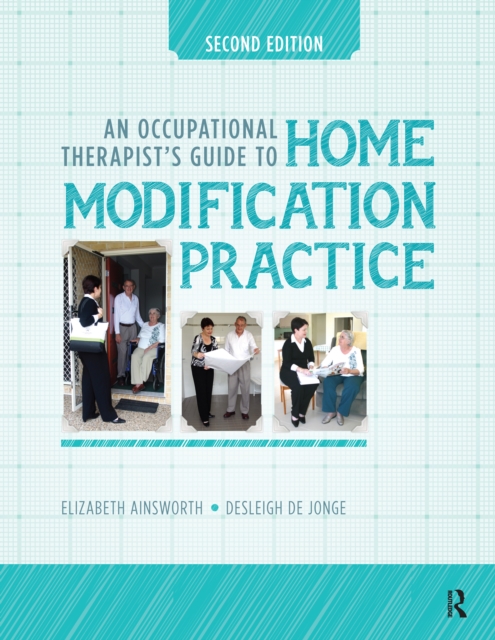
Older people and people with a disability have a right to be included in all aspects of home and community life, and yet, environmental barriers continue to exist in the built environment.
Strategies for Collaborating With Children: Creating Partnerships in Occupational Therapy and Research applies client-centered and strengths-based theories to pediatric practice.
The Visual Brain and Peripheral Reading and Writing Disorders: A Guide to Visual System Dysfunction for Speech-Language Pathologists familiarizes the reader with the complex workings of the human visual system, the motor and sensory components of normal vision as they relate to the recognition of letters and words, and to the acquisition and rehabilitation of reading and writing.
The role of measurement and the benefits of outcome measures are defined as important tools used to document change in one or more constructs over time, help to describe a client's condition, formulate a prognosis, as well as to evaluate the effects of occupational therapy intervention.
Cases in Pediatric Occupational Therapy: Assessment and Intervention is designed to provide a comprehensive collection of case studies that reflects the scope of current pediatric occupational therapy practice.
The Visual Brain and Peripheral Reading and Writing Disorders: A Guide to Visual System Dysfunction for Speech-Language Pathologists familiarizes the reader with the complex workings of the human visual system, the motor and sensory components of normal vision as they relate to the recognition of letters and words, and to the acquisition and rehabilitation of reading and writing.
While evidence-based practice (EBP) has greatly influenced rehabilitation in the past decade, it continues to evolve and practitioners need guidance to implement evidence into their practice.
Strategies for Collaborating With Children: Creating Partnerships in Occupational Therapy and Research applies client-centered and strengths-based theories to pediatric practice.
Occupational Therapy Interventions: Functions and Occupations, Second Edition is a unique and comprehensive text intended to provide the essential information required for occupational therapy practice in the physical approach to the intervention process.
Philosophical principles of recovery and justice are driving changing attitudes in the behavioral health arena, but the practical methods used to incorporate these principles needs further clarity.
Older people and people with a disability have a right to be included in all aspects of home and community life, and yet, environmental barriers continue to exist in the built environment.
A groundbreaking text for occupational therapists, Adaptation, Coping, and Resilience in Children and Youth: A Comprehensive Occupational Therapy Approach offers a different perspective in addressing the ways children and youth with a variety of conditions and personal contexts can have more optimized participation in everyday life.