The fifth edition of this popular collection of fifty-one anatomical case studies, now co-authored by an anatomist and general surgeon, covers all the major regions of the body: head and neck, thorax, abdomen, pelvis and perineum, and limbs.
Broca's region has been in the news ever since scientists realized that particular cognitive functions could be localized to parts of the cerebral cortex.
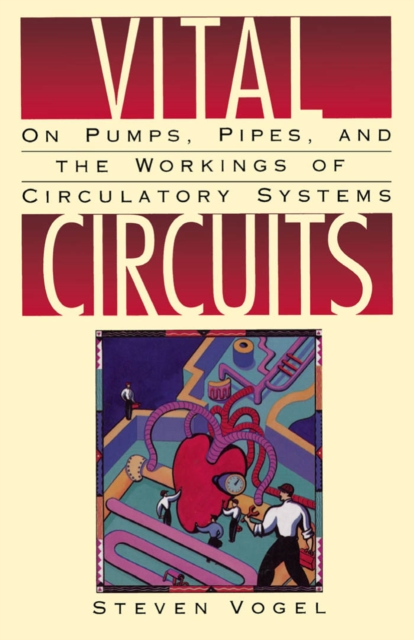
Most of us think about our circulatory system only when something goes wrong, but the amazing story of how it goes right--"e;magnificently right,"e; as author Steven Vogel puts it--is equally worthy of our attention.
For scientists, no event better represents the contest between form and function as the chief organizing principle of life as the debate between Georges Cuvier and Etienne Geoffroy Saint-Hilaire.
Very Short Introductions: Brilliant, Sharp, Inspiring Physiology is the science of life, and sets out to understand how living things work and what makes them distinct from the non-living.
Very Short Introductions: Brilliant, Sharp, Inspiring Physiology is the science of life, and sets out to understand how living things work and what makes them distinct from the non-living.
Venous Ulcers, Second Edition, provides a comprehensive synthesis of evidence-based recommendations and the highest level of expertise from a leading group of doctors, which is a fundamental constituent for the appropriate management of nonhealing venous wounds in everyday practice.
Exclusively focused on preparing candidates for the FRCR Part 1 anatomy viewing paper, this book enables them to practice questions that have the look and feel of the actual exam.
Exclusively focused on preparing candidates for the FRCR Part 1 anatomy viewing paper, this book enables them to practice questions that have the look and feel of the actual exam.
Gray's Anatomy is probably one of the most iconic scientific books ever published: an illustrated textbook of anatomy that is still a household name 150 years since its first edition, known for its rigorously scientific text, and masterful illustrations as beautiful as they are detailed.
Gray's Anatomy is probably one of the most iconic scientific books ever published: an illustrated textbook of anatomy that is still a household name 150 years since its first edition, known for its rigorously scientific text, and masterful illustrations as beautiful as they are detailed.
Practical, comprehensive, and concise, the Oxford Handbook of Integrated Dental Biosciences has been designed to reflect problem-based teaching scenarios, with extensive diagrams and illustrations to aid clinical understanding of the main text.
Practical, comprehensive, and concise, the Oxford Handbook of Integrated Dental Biosciences has been designed to reflect problem-based teaching scenarios, with extensive diagrams and illustrations to aid clinical understanding of the main text.
Broca's region has been in the news ever since scientists realized that particular cognitive functions could be localized to parts of the cerebral cortex.
Most of us think about our circulatory system only when something goes wrong, but the amazing story of how it goes right--"e;magnificently right,"e; as author Steven Vogel puts it--is equally worthy of our attention.
The Fifth edition finds the text of The Central Nervous System thoroughly updated and revised, better equipping students with essential information in the field of clinical neuroscience.
The Fifth edition finds the text of The Central Nervous System thoroughly updated and revised, better equipping students with essential information in the field of clinical neuroscience.
Cajal and De Castro's Neurohistological Methods provides the first English translation of Fernando de Castro's 1933 publication "e;Elementos de Tecnica Micrografica del Sistema Nervioso.
Cajal and De Castro's Neurohistological Methods provides the first English translation of Fernando de Castro's 1933 publication "e;Elementos de Tecnica Micrografica del Sistema Nervioso.
Aging: From Fundamental Biology to Societal Impact examines the interconnection of the cellular and molecular basis of aging and societal-based challenges and innovative interventions.
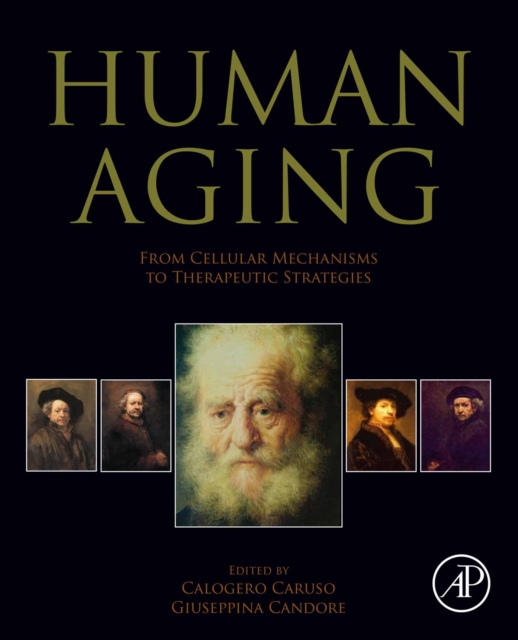
Human Aging: From Cellular Mechanisms to Therapeutic Strategies offers an exhaustive picture of all the biological aspects of human aging by describing the key mechanisms associated with human aging and covering events that could disrupt the normal course of aging.
This image-rich book explores the practice as well as the theory of visual representation and presents us with the importance of designing appropriate images for communication to specific target audiences.
Substance Use and Addiction Research: Methodology, Mechanisms, and Therapeutics is an up-to-date, comprehensive, practical book on research methodologies for substance use and addiction that is intended for researchers and consumers of research information at all levels.
This book focuses on the challenges to biomedical education posed by the lockdowns and restrictions to on campus teaching brought about by the COVID-19 pandemic and highlights the tools and digital visualization technologies that have been successfully developed and used for remote teaching.
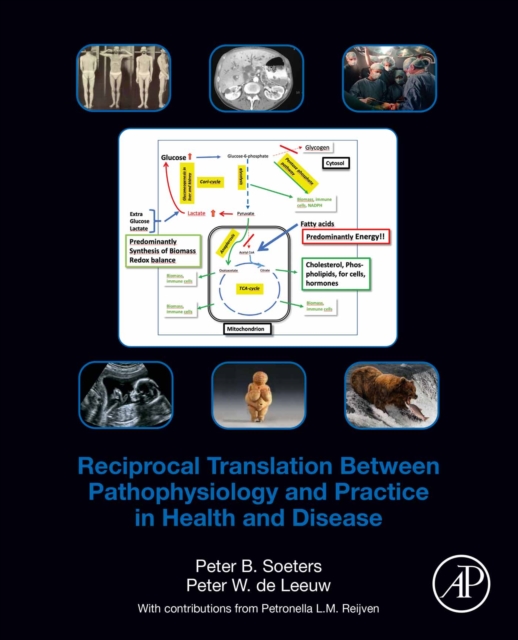
Reciprocal Translation Between Pathophysiology and Practice in Health and Disease brings a novel perspective, closing the knowledge gap between normal/abnormal physiology.
Tantalizing Therapeutics in Bronchopulmonary Dysplasia is a concise reference that provides an overview of emerging concepts in the understanding of lung development and injury from a molecular and cellular point-of-view, including exciting pathways that are paving the way for new options to prevent or treat Bronchopulmonary Dysplasia (BPD).
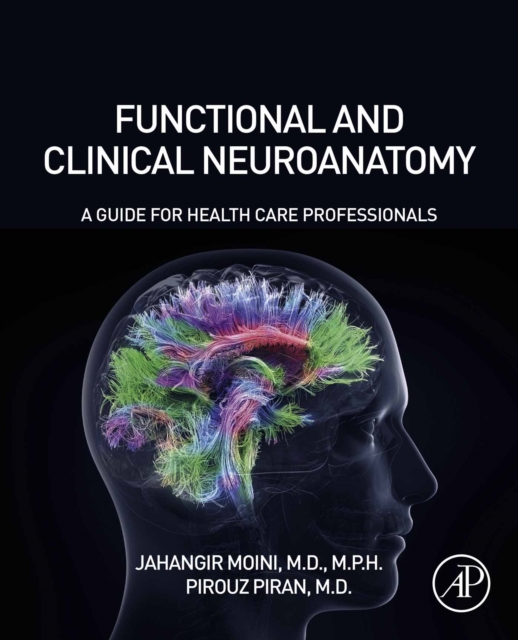
Functional and Clinical Neuroanatomy: A Guide for Health Care Professionals is a comprehensive, yet easy-to read, introduction to neuroanatomy that covers the structures and functions of the central, peripheral and autonomic nervous systems.
Theory of Endobiogeny, Volume 3: Advanced Concepts for Treatment of Complex Clinical Conditions explains complex and multi-factorial disorders and diseases using the theory of endobiogeny.
The Theory of Endobiogeny Volume 2: Foundational Concepts for Treatments of Common Clinical Conditions addresses the core elements of the adaptation response to stressors: autonomic nervous system (ANS), corticotropic axis, immunity and digestive tract function.
The Theory of Endobiogeny Volume 1: Global Systems Thinking and Biological Modeling for Clinical Medicine offers researchers and clinicians a detailed introduction to the theory of Endobiogeny.
Twenty-five years ago, a monograph on gastric cancer was published by the Italian Society of Surgery: that book is recognized as a milestone in the management of these tumors in Italy.
Biased Signaling in Physiology, Pharmacology and Therapeutics is a unique and essential reference for the scientific community concerning how conformational-dependent activation is a common phenomenon across many classes of receptors or signaling molecules.
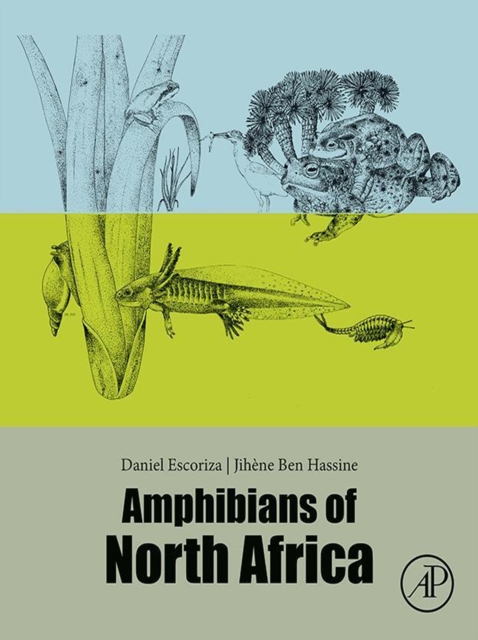
Amphibians of North Africa is a comprehensive compilation of available data on the amphibians and reptiles found in various ecosystems across North West Africa and parts of the Mediterranean region.
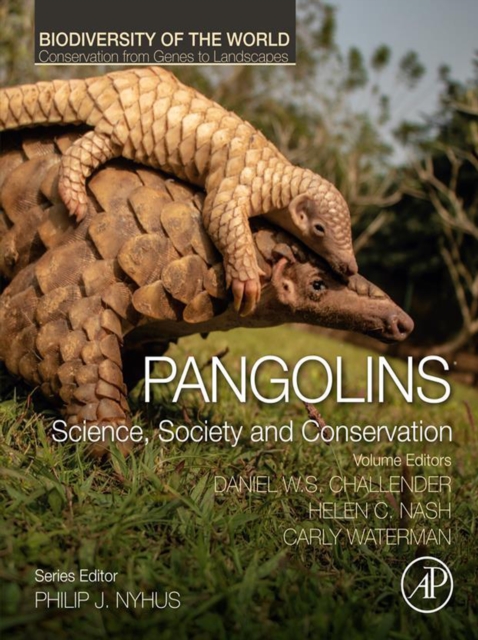
Pangolins: Science, Society and Conservation brings together experts from around the world to document the most up-to-date scientific knowledge on pangolins and their conservation.