This up-to-the-minute and comprehensive resource lucidly covers gene therapy for lung diseases from existing technologies delivering foreign DNA to the lungs via the airways or circulation to promising new approaches for the further development of safe and efficient gene delivery systems.
This up-to-the-minute and comprehensive resource lucidly covers gene therapy for lung diseases from existing technologies delivering foreign DNA to the lungs via the airways or circulation to promising new approaches for the further development of safe and efficient gene delivery systems.
There is a new trend in anti-cancer therapeutics development: a targeted therapy and precision medicine that targets a subgroup of patients with specific biomarkers.
There is a new trend in anti-cancer therapeutics development: a targeted therapy and precision medicine that targets a subgroup of patients with specific biomarkers.
Diagnostics and Gene Therapy for Human Genetic Disorders provides an integrative and comprehensive source of information blending classical human genetics with the human genome.
In light of scientific advances such as genomics, predictive diagnostics, genetically engineered agriculture, nuclear transfer cloning, and the manipulation of stem cells, the idea that genes carry predetermined molecular programs or blueprints is pervasive.
In genetics laboratories in Latin America, scientists have been mapping the genomes of local populations, seeking to locate the genetic basis of complex diseases and to trace population histories.
Normal0falsefalsefalseEN-USX-NONEX-NONEMicrosoftInternetExplorer4 In recent years political, religious, and scientific communities have engaged in an ethical debate regarding the development of and research on embryonic stem cells.
Oncologist and cancer gene hunter Theo Ross delivers the first authoritative, go-to for people facing a genetic predisposition for cancer There are 13 million people with cancer in the United States, and it’s estimated that about 1.
Historically, the field of hematopoietic growth factor research began with the work of Carnot and Deflandre-in 1906 they suggested that the rate of erythropoiesis is regulated by a humoral factor found in the blood, namely, erythropoietin.
The study of immunology encompasses a vast and ever-growing body of information that in some way or other incorporates most areas of medical biological research.
It is difficult to think of an example of an advancement in the biological sciences that has had an impact on society similar to that of the new genetics.
To create a forum for scientists and clinicians interested in degenerative retinal diseases, we began in 1984 to organize a biennial symposium on Retinal Degeneration as a satellite meeting of the International Congress of Eye Research.
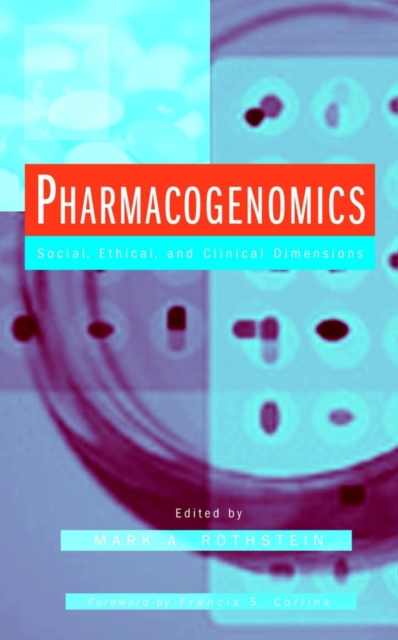
Through analyses of the complex underlying issues, this interdisciplinary volume frames the agenda for dealing with genetic variation and incorporating pharmacogenomics into health care.
The first book devoted exclusively to the principles and practice of genetic counseling now in a new edition First published in 1998, A Guide to Genetic Counseling quickly became a bestselling and widely recognized text, used nationally and internationally in genetic counseling training programs.
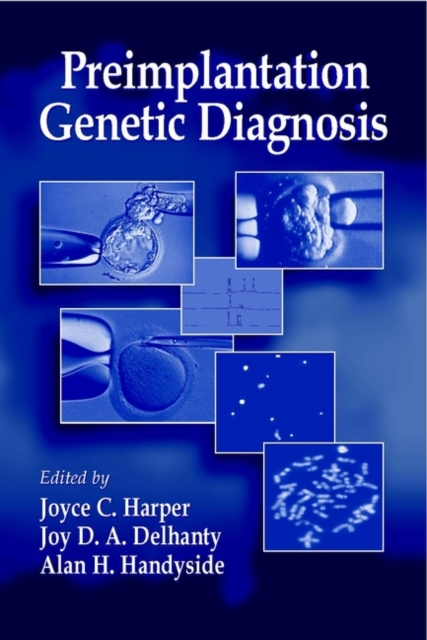
Preimplantation Genetic Diagnosis (PGD) is the detection and screening of genetic abnormality in gametes prior to fertilisation and embryos fertilised in vitro prior to implantation.
A Companion to Genethics is the first substantial study of the multifaceted dimensions of the genetic revolution and its philosophical, ethical, social and political significance.
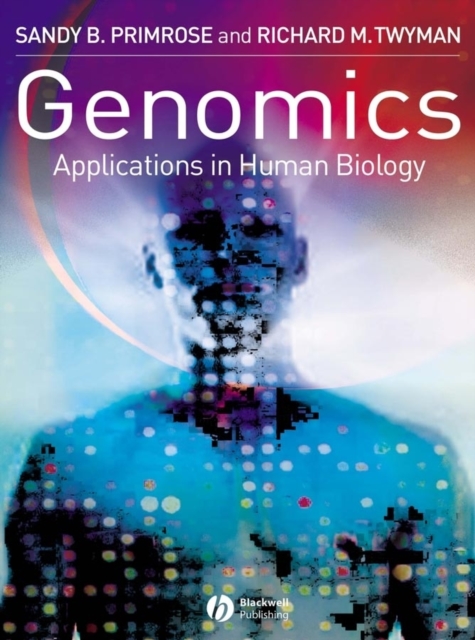
Written by the successful author team of Sandy Primrose and Richard Twyman, Genomics: Applications in Human Biology is a topical book showing how the new science of genomics is adding impetus to the advances in human health provided by biotechnology.
Nurses are increasingly being asked to provide information when a genetic diagnosis is made, whether to the individual patient or to members of his or her family.
Human Drug Metabolism, An Introduction, Second Edition provides an accessible introduction to the subject and will be particularly invaluable to those who already have some understanding of the life sciences.
Batch Effects and Noise in Microarray Experiments: Sources and Solutions looks at the issue of technical noise and batch effects in microarray studies and illustrates how to alleviate such factors whilst interpreting the relevant biological information.
HELPS YOU DEVELOP AND ASSESS PEDIGREES TO MAKE DIAGNOSES, EVALUATE RISK, AND COUNSEL PATIENTS The Second Edition of The Practical Guide to the Genetic Family History not only shows how to take a medical-family history and record a pedigree, but also explains why each bit of information gathered is important.
As part of a continuing effort to tackle issues of major social concern, this 280th conference of internationally recognized experts from the fields of molecular biology, medicine, philosophy, theology, and the law looks into the scientific, legal, ethical, social, and economic issues confronting man and his ability to map and sequence the human genome.
Six new chapters on vital topics of interest such as multilocus SNP genotyping (SNP chips), RNAi, ChIP-chip, and genomic tiling arrays New edition responds to reviewers' and users' desire for greater coverage now the most useful handbook on the market!
Post Genomics Drug Discovery and Research explores and discusses some of the most important topics in post-genomics life and biopharmaceutical sciences.
The new science of nutrigenomics and its ethical and societal challenges Gene-diet interactions--which underlie relatively benign lactose intolerance to life-threatening conditions such as cardiovascular disease--have long been known.
Current applications and recent advances in genomics and proteomics Genomics and Proteomics Engineering in Medicine and Biology presents a well-rounded, interdisciplinary discussion of a topic that is at the cutting edge of both molecular biology and bioengineering.
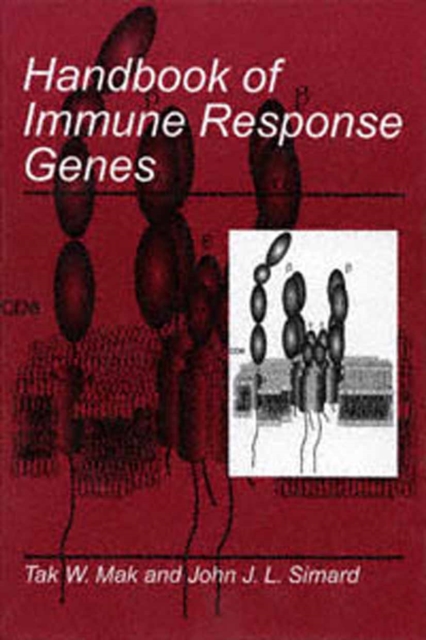
This title provides an extremely helpful analysis of genes that may be associated with autoimmunity, and answers questions such as how these genes can be identified, and how the functions of the gene products can be elucidated.
How does the genome, interacting with the multi-faceted environment, translate into the development by which the human brain achieves its astonishing, adaptive array of cognitive and behavioral capacities?