This book focuses on the nutrients and nutraceuticals that promote active and healthy ageing - recently defined by the WHO as the process of development and maintenance of functional capacity that allows well-being at an advanced stage of life.
Since the 1970s, there has been much discussion about the "e;glucoreceptor"e; and "e;substrate site"e; and which of these two is the dominant theory, but new findings on the glucose-sensing receptor have now shed new light on the "e;glucoreceptor theory.
This book describes the nature of aging, age-related disorders, and the molecular principles of emerging strategies for anti-aging interventions, while also discussing the discovery of targets for geroprotective drugs.
This detailed volume explores the NADPH oxidase family of enzymes in human physiology and genetic disease, in which early discoveries represent prime examples of the finest translational "e;from bed to bench and back"e; studies.
In the last few years, technologies that allow for monitoring and manipulating neuronal networks at a single cell resolution have been rapidly expanding.
A qualitative leap in the understanding of cardiovascular and n- ral regulation by the renin-angiotensin system, and of the role of this s- tem in tissue damage, has occurred as a result of the many recent advances in molecular genetic techniques.
The study of functional glycomics requires the continuous development of rapid and sensitive methods for the identification of glycan structures and integration to structure-function relationships.
Hepatocytes account for approximately 80% of the liver mass and play a significant role in various aspects of liver physiopathology, exhibiting unrivaled complexity and diversity of functions.
Due to the significant contributions of carbohydrates to the functional diversity of the cell, the challenging study of the glycome has expanded beyond the research of carbohydrate experts and into the wider scope of the life sciences.
Applying neurophysiological methods to the study of brain-behavior relationships proved to be a major advance in the early days of neuroscience research.
Grown exponentially by the genomic revolution, the use of the rat as a model of choice for physiological studies continues in popularity and at a much greater depth of understanding.
Evolving technologies starting with tracer studies, and more recently with genomics and proteomics, have provided novel information about the molecular properties of cerebral endothelium and astrocytes; however, further studies must be done in animal models of neurological diseases and in humans to get a clearer understanding of the pathogenesis of blood-brain barrier (BBB) breakdown in nervous system diseases.
Neuroinformatics presents cutting-edge techniques for the synergistic study of neuroinformatics, thereby facilitating the efforts of discovery neuroscience through the sharing of data and the use of computational models.
Investigations involving incisive mechanistic dissection of various types of synaptic plasticity have revealed that it plays key roles in neural development, sensory information processing, cortical remapping following brain injury, perception, and behavioral learning and memory.
Due to their vital involvement in a wide variety of housekeeping and specialized cellular functions, exocytosis and endocytosis remain among the most popular subjects in biology and biomedical sciences.
In the past few years, the application of proteomics to examine the molecular mechanisms underlying (mal-)functioning of the nervous system and brain disorders has risen steeply, which in many cases has yielded novel insights.
Major advances in molecular biology, alternative RNA splicing, protein processing, identification of gene control elements, transgenic animals and bioinformatics open up multiple research avenues and allow for better understanding of neuropeptide production and function.
Many unexplored complex cellular and organismal adaptations occur in response to the stress of alcohol exposure, and its contribution to the development of chronic diseases, such as osteoporosis, heart disease and diabetes, is particularly relevant today, given the increased incidence of these diseases in our aging population.
This book of the series on "e;Advances in Biochemistry in Health and Disease"e; includes state-of-the-art information on the status of renin-angiotensin system (RAS) in the form of 24 chapters.
The best review of renal physiology available for USMLE(R) Step 1-completely updated with the latest researchCombining the latest research with a fully integrated teaching approach, Vander s Renal Physiology, Tenth Edition clearly and expertly explains how the kidneys affect other body systems and how they in turn are affected by these systems.
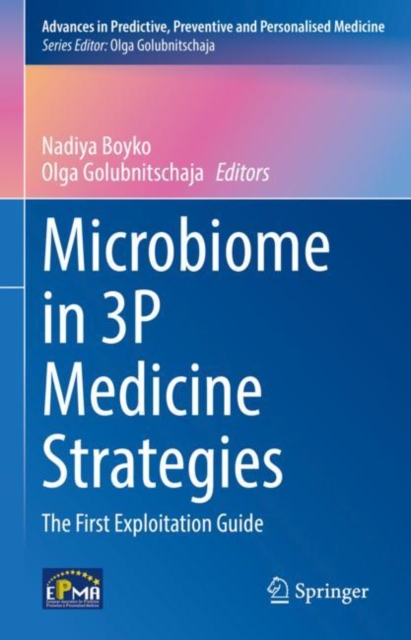
The book analyses microbiome-relevant findings focused on clinical needs providing the roadmap to implement recent achievements in the area representing a valuable contribution to the paradigm shift from reactive to predictive, preventive and personalised medicine (PPPM / 3PM) considered as the most advanced concept in medicine.
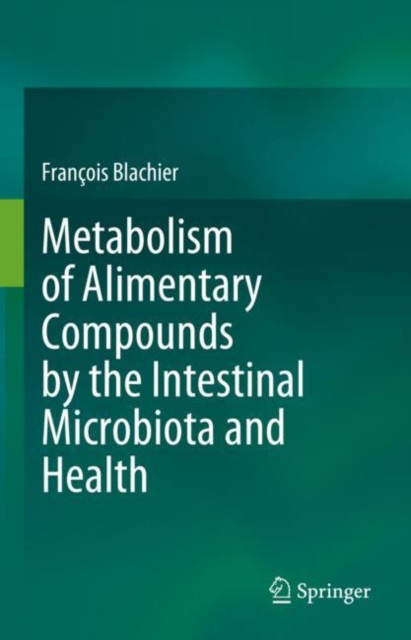
This book provides an overview of the metabolism of dietary compounds by the intestinal microbiota, and on the consequences of such metabolic activity on host metabolism and physiological functions; both in intestinal and peripheral tissues.
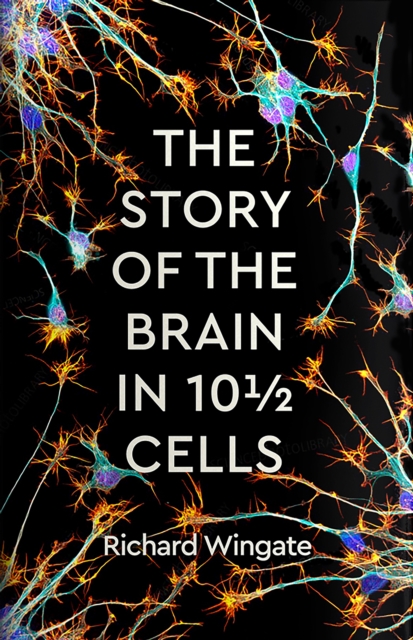
LONGLISTED FOR THE BSHS BRITISH SOCIETY FOR THE HISTORY OF SCIENCE HUGHES PRIZE 2025There are more than 100 billion brain cells in our heads, and every single one represents a fragment of thought and feeling.
An introduction to the basic structures of the central nervous system, the techniques used in neuroscience and a short discussion of the affect of drugs on the brain.
An introduction to the basic structures of the central nervous system, the techniques used in neuroscience and a short discussion of the affect of drugs on the brain.
This new edition discusses classical aspects of cellular physiology and the metabolism of physical exercise, as well as novel topics like exercise in transplantation and exercise in beta-cell failure, which mark the frontiers of research in sport-related sciences and research.
This new edition discusses classical aspects of cellular physiology and the metabolism of physical exercise, as well as novel topics like exercise in transplantation and exercise in beta-cell failure, which mark the frontiers of research in sport-related sciences and research.
This book provides easy-to-understand, scientifically backed answers to readers' questions about hormones, helping them understand the many important roles they play, particularly during adolescence.
The book will contain reviews and brief research articles from the participants attending the International Society for Arterial Chemoreception (ISAC) meeting, to be held in Lisbon in Portugal in June/July 2020.
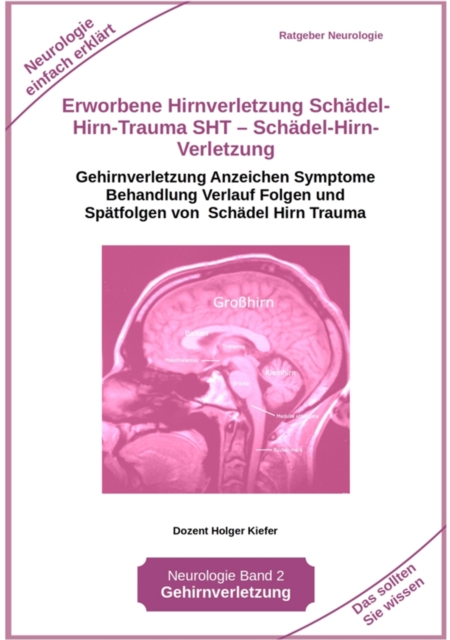
Neurologie Band 2Gehirnverletzung"Hirnverletzung Schädel-Hirn-Trauma SHT – Schädel-Hirn-Verletzung: Eine umfassende Information für Betroffene, Angehörige und medizinisches- sowie Pflegepersonal"Dieses fachlich fundierte Buch bietet in für Laien verständlicher Sprache einen ersten umfassenden Überblick für Betroffene, ihre Angehörigen und medizinisches Personal im Zusammenhang mit einer Hirnverletzung, insbesondere eines Schädel-Hirn-Traumas (SHT).