This book has included 19 recent topics about the treatment of cerebrovascular diseases from basics to surgical (include microneurosurgical, endovascular, endoscopic and Stereotactic radiosurgical techniques) aspects in the management of cerebrovascular diseases.
The book provides an excellent review of all the clinical aspects of neuroanesthesia in children, including neurosurgeries during fetal state to neonatal, infancy, toddler, and school-going age groups.
This book introduces a new medical device, the ZiNeu catheter, and explains its use for the non-surgical interventional treatment of degenerative spinal disease, including spinal stenosis.
This book, written by renowned experts from across the world, provides readers with a detailed and up-to-date understanding of posterior circulation stroke and its management.
This book describes and illustrates a variety of minimally invasive approaches to the thoracic spine, covering procedures applicable in not only degenerative diseases but also deformities and trauma.
The book provides detailed information on all major neuroemergencies, and includes a detailed checklist for practical care during the first hour of an emergency.
This book brings together information on all aspects of ossification of the posterior longitudinal ligament (OPLL), a hyperostotic condition of the spine that can cause severe neurological deficits.
This book focuses on hyperbaric oxygenation (HBO) therapy from the molecular biology perspective and its clinical applications, including molecular mechanisms of HBO's positive effect on cellular function in hypoxic tissues.
This book aims to facilitate readers to understand the origin, growth pattern and relationship between tumor and adherent structure of craniopharyngioma, so as to improve the cure rate and safety of surgery.
This book presents the latest findings on biological, epidemiological, and clinical investigations of RNF213, which is thought to be involved in many biological processes and plays a key role in cerebro- and cardiovascular disease .
This book approaches the topic of management of acute ischemic stroke in an interdisciplinary manner, explaining how best to utilize the methods currently available for medical, surgical, and endovascular care.
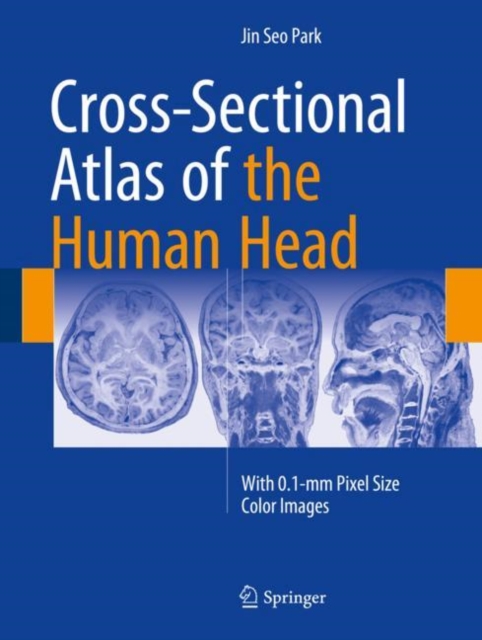
This superb color atlas sets a new standard in neuroanatomy by presenting around 300 detailed thin-sectioned images of the human head, including the brain, with 0.
This book provides an essential update on microvascular decompression (MVD) surgery, which has been widely accepted as an effective remedy for cranial nerve hyperexcitability disorders such as hemifacial spasm, trigeminal neuralgia, glossopharyngeal neuralgia, etc.
This volume contains the proceedings of the latest in a series of international symposia on advances in neuro-oncology, held September 26-29, 1990, in San Remo, Italy and sponsored by the University of Pavia, I.
Because of the topographic and pathophysiologic information obtained with contemporary neuroimaging techniques, CT and MR scanning now constitute the most important investigation in clinical neurology.
This book offers clear, detailed guidance on all aspects of prognostic evaluation in patients who have been involved in a serious accident with neurological consequences or have been diagnosed with a severe neurological illness.
This book reviews in detail the role of neuroradiological imaging in the evaluation of patients who have undergone surgery or interventional radiology procedures, and particularly its value in the documentation of normal and pathological post-treatment changes, detection of complications, and follow-up.
This book was born out of thirty years of didactic and practical experience with the intention of giving the reader concise neurosurgical elements and an appropriate selected iconography.