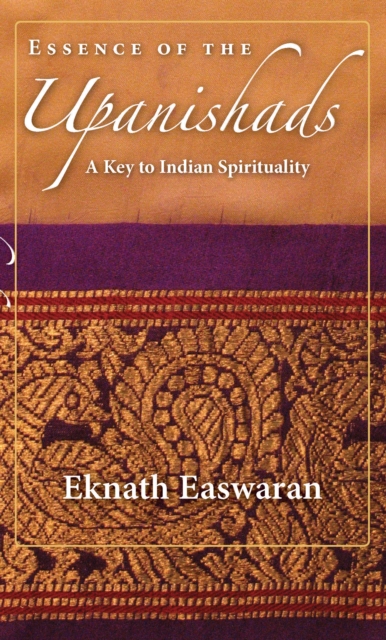
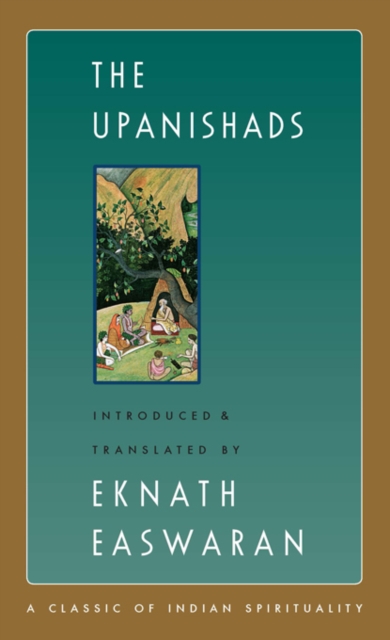
The Katha Upanishad embraces the key ideas of Indian mysticism in a mythic story we can all relate to the quest of a young hero, Nachiketa, who ventures into the land of death in search of immortality.
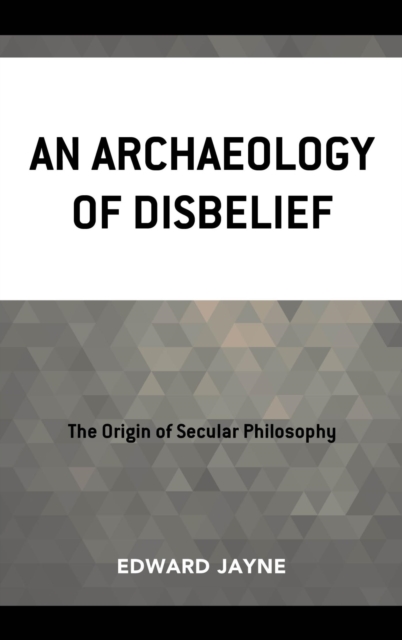
An Archaeology of Disbelief traces the origin of secular philosophy to pre-Socratic Greek philosophers who proposed a physical universe without supernatural intervention.
In the reincarnation myth in Book X of Plato's Republic, the unnamed first soul, who has lived a good life and has been rewarded in the afterlife, chooses a new life and fate, and chooses catastrophically badly.
This collection of essays and thoughts covers such areas as basic Christian thought, which includes traditional family morality and a great concern for alleviating poverty and promoting social justice, political thought comparing the need for a system which includes both socialist and capitalist elements, and the need for values in our society, which has come to emphasize money, power, and greed as philosophical goals and values, though they are not.
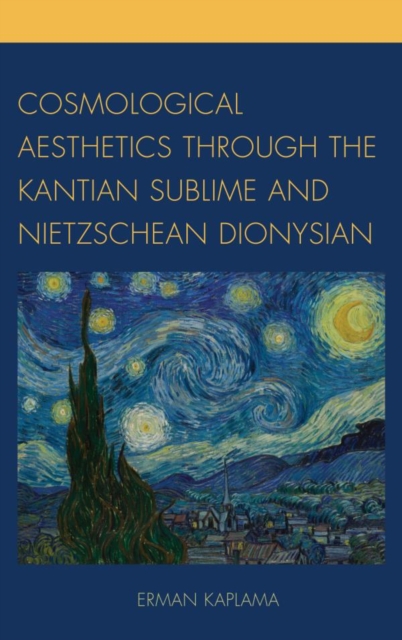
Erman Kaplama explores the principle of transition (Ubergang) from metaphysics to physics developed by Kant in his unfinished magnum opus, Opus Postumum.
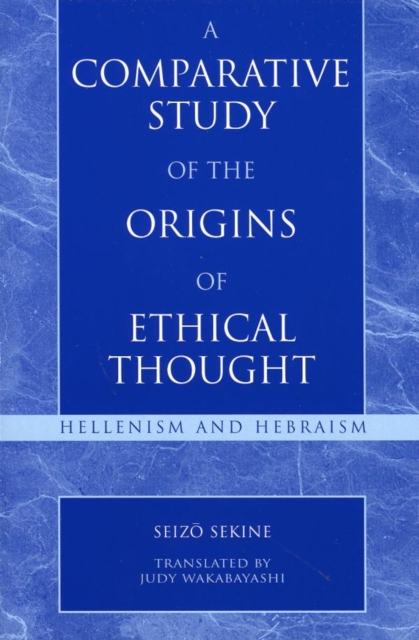
The Origins of Ethical Thought: A Comparative Study Between Hellenism and Hebraism is the first text to analyze both Greek and Hebrew ethical thought based on a comprehensive and ideological interpretation of the two systems on their own and in relation to one another.
The Origins of Ethical Thought: A Comparative Study Between Hellenism and Hebraism is the first text to analyze both Greek and Hebrew ethical thought based on a comprehensive and ideological interpretation of the two systems on their own and in relation to one another.
In the reincarnation myth in Book X of Plato's Republic, the unnamed first soul, who has lived a good life and has been rewarded in the afterlife, chooses a new life and fate, and chooses catastrophically badly.
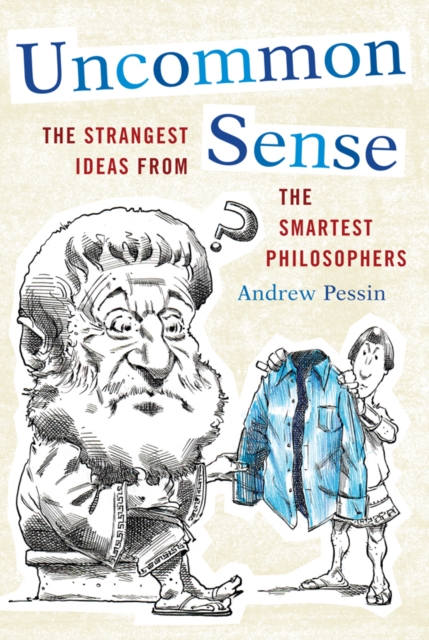
In Uncommon Sense, Andrew Pessin leads us on an entertaining tour of philosophy, explaining the pivotal moments when the greatest minds solved some of the knottiest conundrums-by asserting some very strange things.
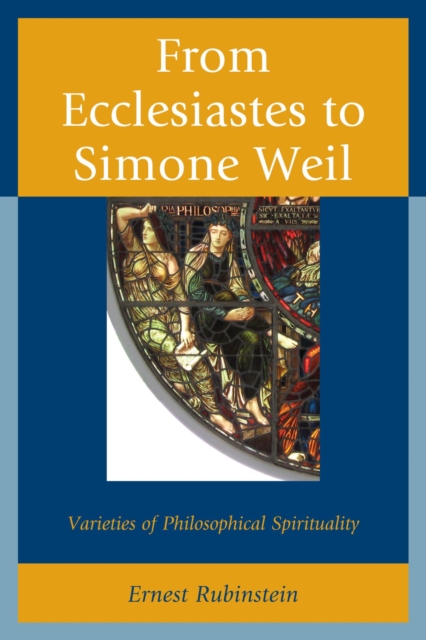
From Ecclesiastes to Simone Weil: Varieties of Philosophical Spirituality reads major philosophers from the Western philosophical canon and beyond for the spirituality implicit in their metaphysics, epistemology, ethics, aesthetics, and logic.
The Katha Upanishad embraces the key ideas of Indian mysticism in a mythic story we can all relate to the quest of a young hero, Nachiketa, who ventures into the land of death in search of immortality.
An Archaeology of Disbelief traces the origin of secular philosophy to pre-Socratic Greek philosophers who proposed a physical universe without supernatural intervention.
Erman Kaplama explores the principle of transition (Ubergang) from metaphysics to physics developed by Kant in his unfinished magnum opus, Opus Postumum.
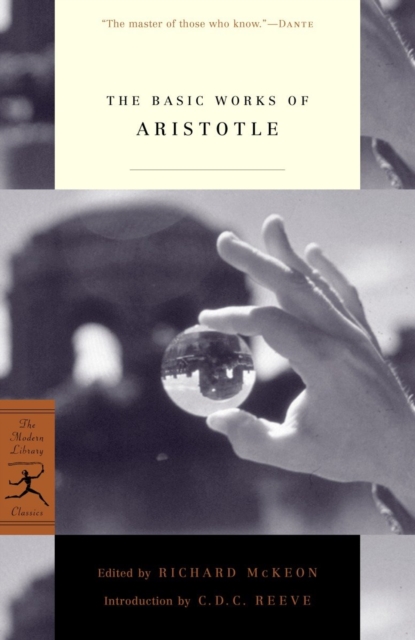
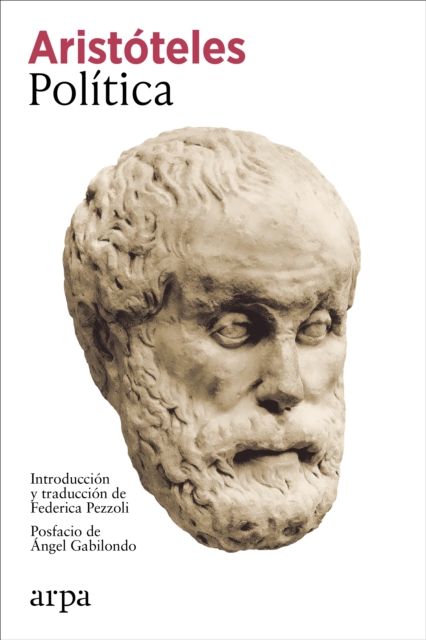
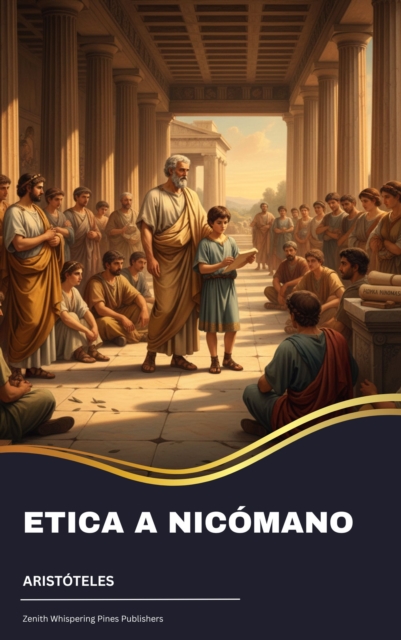
Preserved by Arabic mathematicians and canonized by Christian scholars, Aristotle’s works have shaped Western thought, science, and religion for nearly two thousand years.
This collection of essays and thoughts covers such areas as basic Christian thought, which includes traditional family morality and a great concern for alleviating poverty and promoting social justice, political thought comparing the need for a system which includes both socialist and capitalist elements, and the need for values in our society, which has come to emphasize money, power, and greed as philosophical goals and values, though they are not.
Plato's retelling of the discourses between Socrates and his friends on such subjects as love and desire, truth and illusion, spiritual transcendence and the qualities of a good ruler, profoundly affected the ways in which we view human relationships, society and leadership - and shaped the whole tradition of Western philosophy.
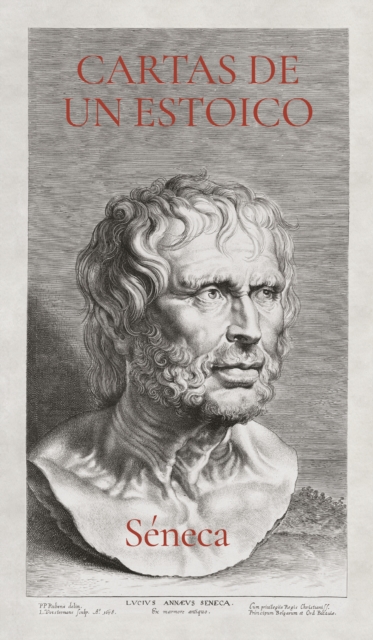
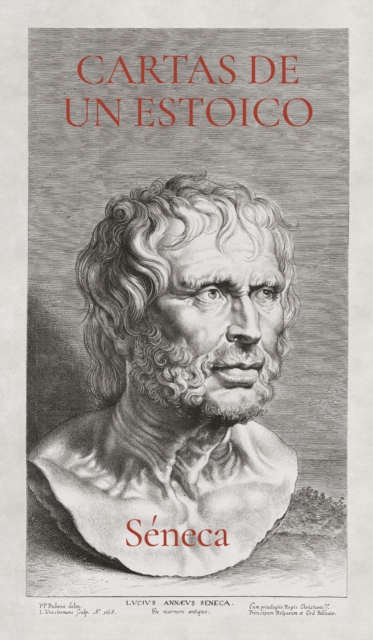
El estoicismo es un modo de vida, una práctica filosófica que implica un trabajo sobre sí, un fortalecimiento interior que debe llevarse a cabo con perseverancia y paciencia.
Epicteto, uno de los más insignes representantes del estoicismo romano, nos dejó un legado breve y directo, pero también brillante, rotundo e imperecedero.
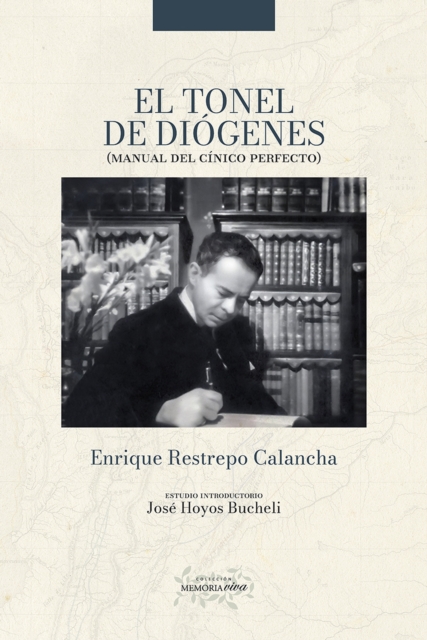
Este texto, publicado en 1925, se sitúa en una tendencia de escritura del pensamiento que tuvo su inicio, quizás, en la década de 1910 con los libros de aforismos de José María Vargas Vila.
Der Kern dieser Studie der – traditionell als unbefriedigend angesehenen – Toposlehre des Aristoteles liegt darin, die überlieferten, teils fragmentarisch gebliebenen, teils offensichtliche Inkonsistenzen aufweisenden Textzeugnisse zur Toposlehre (Kategorienlehre, Physik) systematisch als Zeugnisse für die Momente der von Aristoteles vollzogenen Denkbewegung zu interpretieren und nicht nur als Teil- oder Bruchstücke des »Aristotelischen Systems«.
En la mejor tradición de denuncia del existencialismo de Kierkegaard, Sartre, Camus e Ionesco, Conciencia del tiempo existencial es un grito desgarrador de rebeldía ante una humanidad que parece haber perdido el rumbo.