Kathrin Koslicki offers an analysis of ordinary materials objects, those material objects to which we take ourselves to be committed in ordinary, scientifically informed discourse.
This volume presents a series of essays published by Charles Kahn over a period of forty years, in which he seeks to explicate the ancient Greek concept of Being.
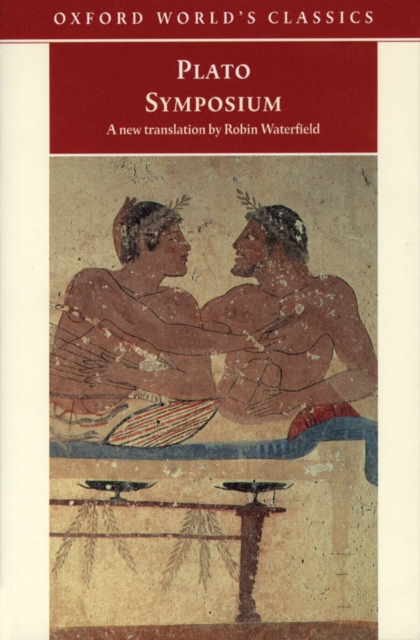
In his celebrated masterpiece, Symposium, Plato imagines a high-society dinner-party in Athens in 416 BC at which the guests - including the comic poet Aristophanes and, of course, Plato's mentor Socrates - each deliver a short speech in praise of love.
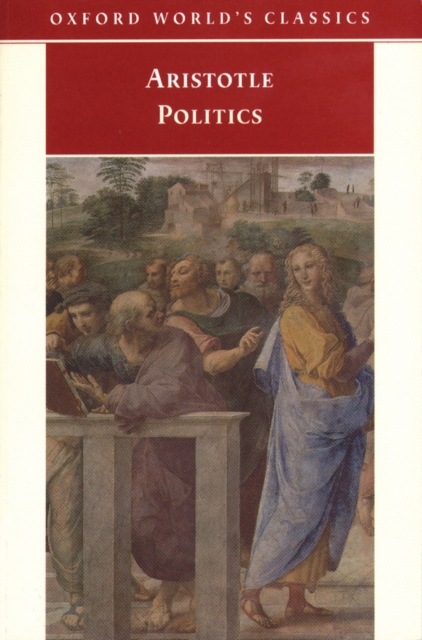
The Politics is one of the most influential texts in the history of political thought, and it raises issues which still confront anyone who wants to think seriously about the ways in which human societies are organized and governed.
The Politics is one of the most influential texts in the history of political thought, and it raises issues which still confront anyone who wants to think seriously about the ways in which human societies are organized and governed.
This book is a response to the literary pleasures and scholarly problems of reading the texts of Apuleius, most famous for his novel Metamorphoses or Golden Ass.
This lively and accessible introduction to Plato focuses on the philosophy and argument of his writings, drawing the reader into Plato's way of doing philosophy, and the general themes of his thinking.
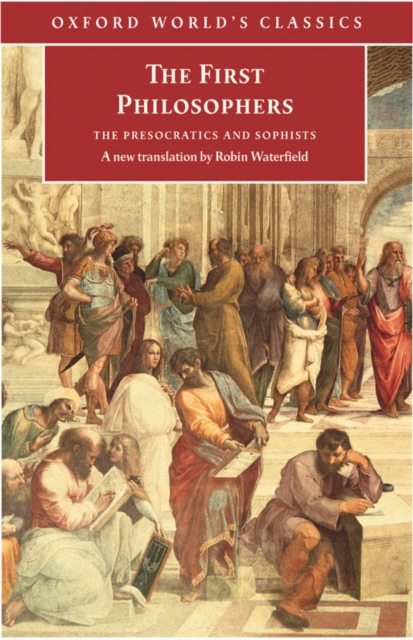
This is a book about the invention of Western philosophy, and the first thinkers to explore ideas about the nature of reality, time, and the origin of the universe.
Christianity is commonly held to have introduced an entirely new and better morality into the ancient world, a new morality that was decidedly universal, in contrast to the ethics of the philosophical schools which were only concerned with the intellectual few.
John Palmer develops and defends a modal interpretation of Parmenides, according to which he was the first philosopher to distinguish in a rigorous manner the fundamental modalities of necessary being, necessary non-being or impossibility, and non-necessary or contingent being.
The life and works of Augustine of Hippo (354-430) have shaped the development of the Christian Church, sparking controversy and influencing the ideas of theologians through subsequent centuries.
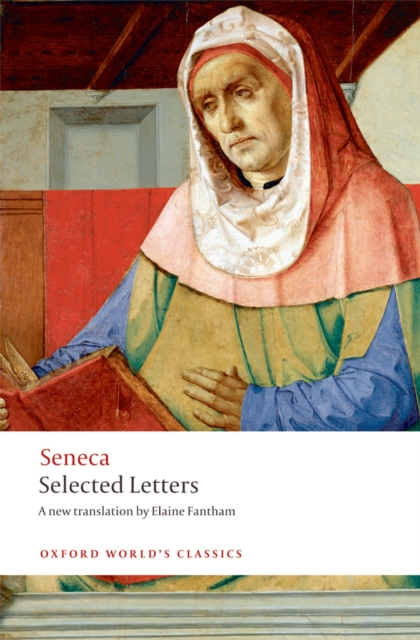
Seneca's Letters to Lucilius are a rich source of information about ancient Stoicism, an influential work for early modern philosophers, and a fascinating philosophical document in their own right.
A distinguished international team of scholars under the editorship of Carlo Natali have collaborated to produce a systematic, chapter-by-chapter study of one of the most influential texts in the history of moral philosophy.
From Empedocles to Wittgenstein is a collection of fifteen historical essays in philosophy, written by Sir Anthony Kenny in the early years of the 21st century.