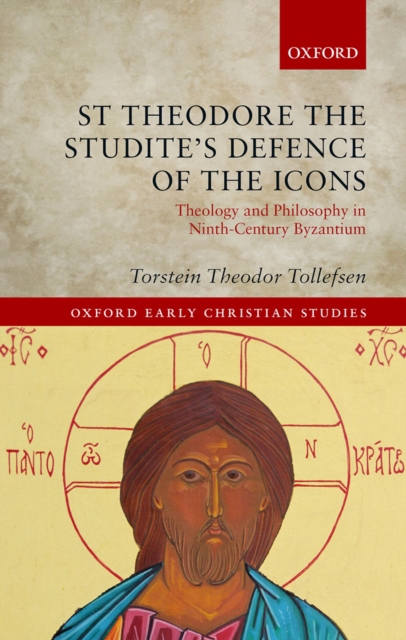
St Theodore the Studite's Defence of the Icons provides an investigation of the icon-theology of St Theodore the Studite, mainly as it is presented in his three refutations of the iconoclasts, the Antirrhetici tres adversus iconomachos.
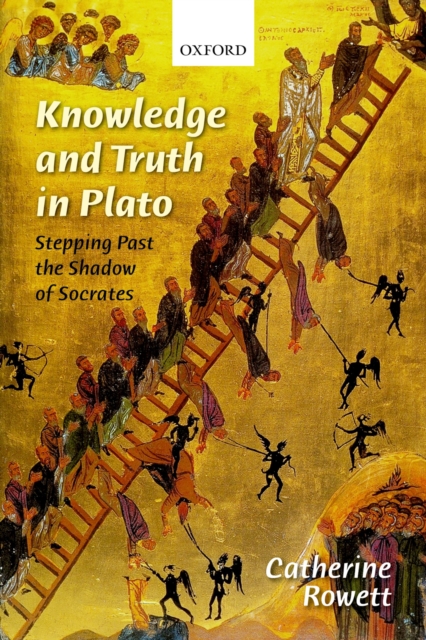
Several myths about Plato's work are decisively challenged by Catherine Rowett: the idea that Plato agreed with Socrates about the need for a definition of what we know; the idea that he set out to define justice in the Republic; the idea that knowledge is a kind of true belief, or that Plato ever thought that it might be something like that; the idea that "e;knowledge proper"e; is propositional, and that the Theaetetus was Plato's best attempt to define knowledge as a species of belief, and that it only failed due to his incompetence.
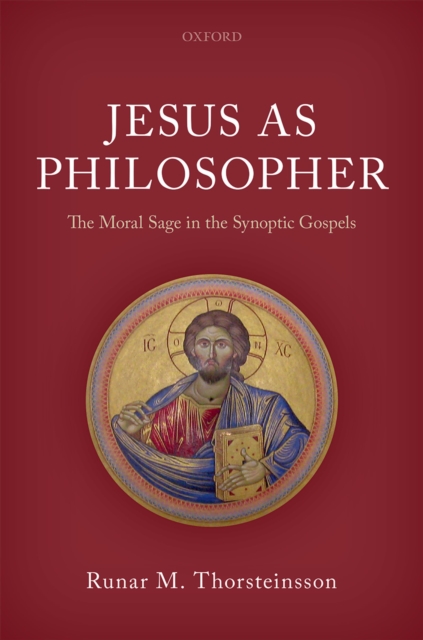
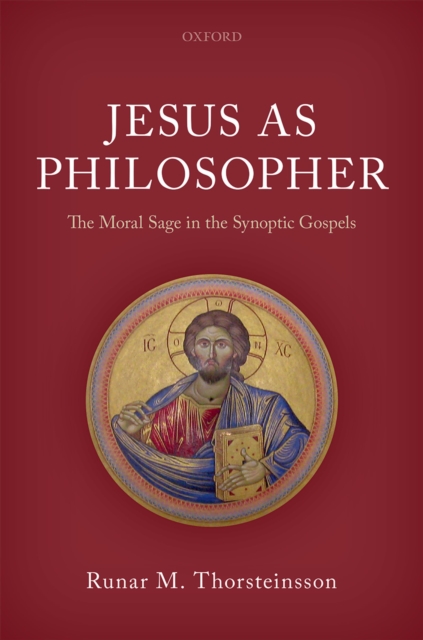
Jesus as Philosopher: The Philosophical Sage in the Synoptic Gospels examines the possible ways in which the authors of the Synoptic Gospels, Mark, Matthew, and Luke, were inspired by contemporary philosophical traditions about the ideal philosophical sage in their description of their ideal human being, Jesus Christ.
Jesus as Philosopher: The Philosophical Sage in the Synoptic Gospels examines the possible ways in which the authors of the Synoptic Gospels, Mark, Matthew, and Luke, were inspired by contemporary philosophical traditions about the ideal philosophical sage in their description of their ideal human being, Jesus Christ.
Several myths about Plato's work are decisively challenged by Catherine Rowett: the idea that Plato agreed with Socrates about the need for a definition of what we know; the idea that he set out to define justice in the Republic; the idea that knowledge is a kind of true belief, or that Plato ever thought that it might be something like that; the idea that "e;knowledge proper"e; is propositional, and that the Theaetetus was Plato's best attempt to define knowledge as a species of belief, and that it only failed due to his incompetence.
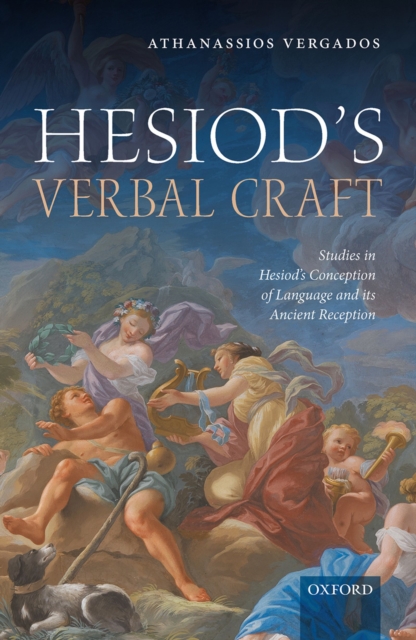
This novel, ground-breaking study aims to define Hesiod's place in early Greek intellectual history by exploring his conception of language and the ways in which it represents reality.
This novel, ground-breaking study aims to define Hesiod's place in early Greek intellectual history by exploring his conception of language and the ways in which it represents reality.
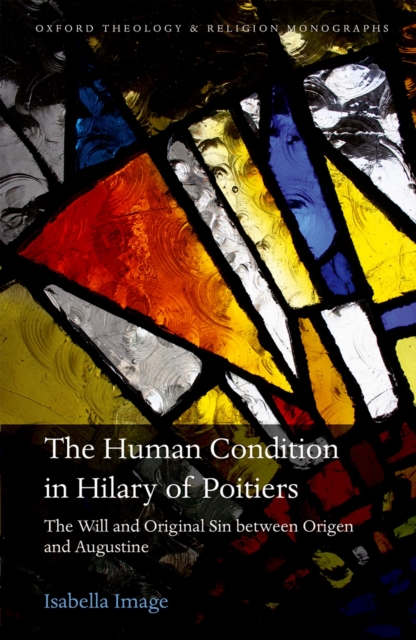
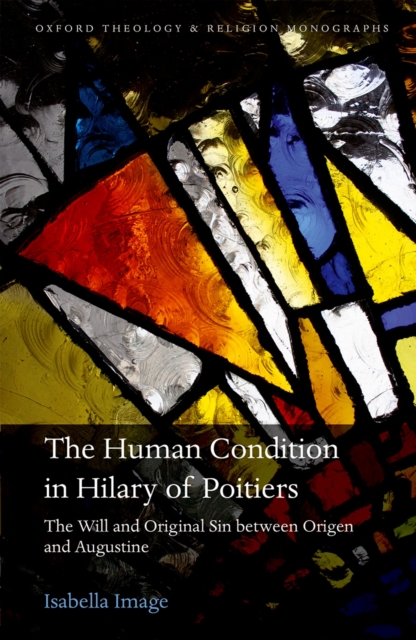
While he is more commonly known for his Trinitiarian works and theology, this study assesses mid-fourth-century bishop Hilary of Poitiers' view of the human condition.
While he is more commonly known for his Trinitiarian works and theology, this study assesses mid-fourth-century bishop Hilary of Poitiers' view of the human condition.
The Philebus is an extraordinarily creative and profound examination of what makes for a good human life, containing some of Plato's most sophisticated discussions of moral psychology, knowledge, metaphysics, and philosophical methodology.
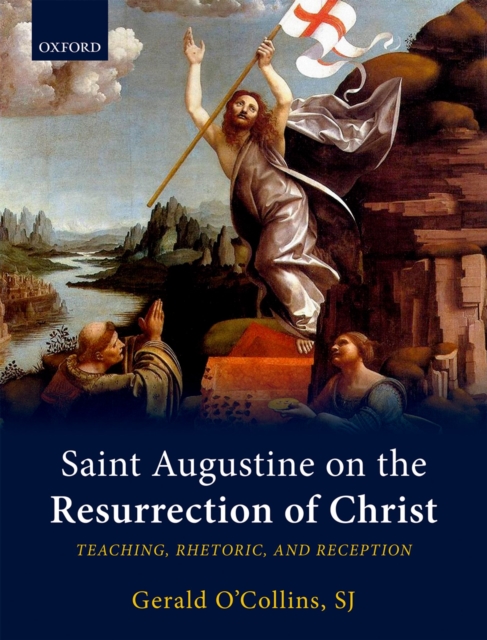
Despite an enormous amount of literature on St Augustine of Hippo, this work provides the first examination of what he taught about the resurrection of Jesus Christ.
Despite an enormous amount of literature on St Augustine of Hippo, this work provides the first examination of what he taught about the resurrection of Jesus Christ.
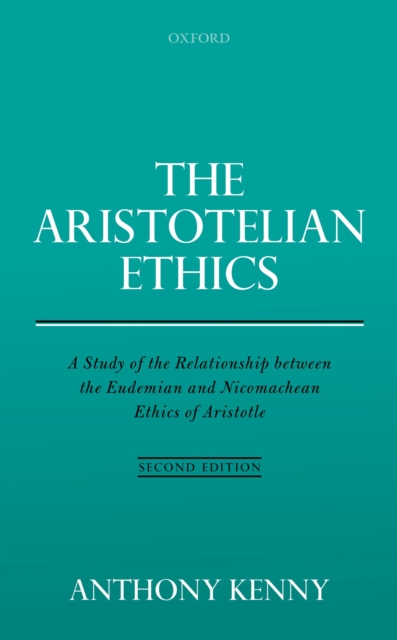
Sir Anthony Kenny presents a second edition of his landmark work The Aristotelian Ethics, which transformed Aristotle studies in 1978 by showing, on stylistic, historical, and philosophical grounds, that the Eudemian Ethics was a mature work with as strong a claim to be Aristotle's ethical masterpiece as the more widely studied Nicomachean Ethics.
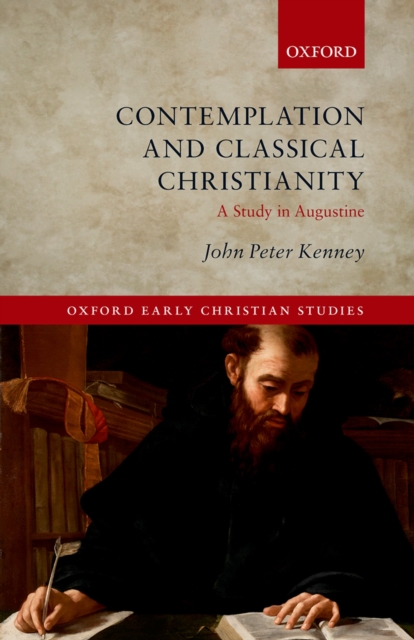
After resolving to become a Catholic Christian, Augustine spent a decade trying to clarify his understanding of 'contemplation,' the interior presence of God to the soul.
Zina Giannopoulou argues that Theaetetus--Plato's most systematic examination of knowledge--is a philosophically sophisticated elaboration of Apology that successfully differentiates Socrates from the sophists.
Plato's dialogues were part of a body of fourth-century literature in which Socrates questioned (and usually got the better of) friends, associates, and supposed experts.
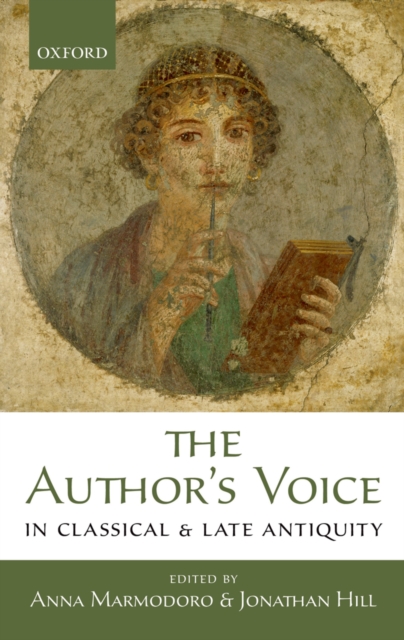
Ancient religions are usually treated as collective and political phenomena and, apart from a few towering figures, the individual religious agent has fallen out of view.
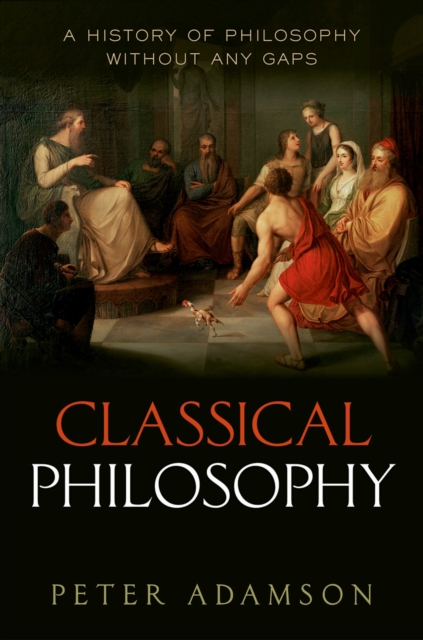
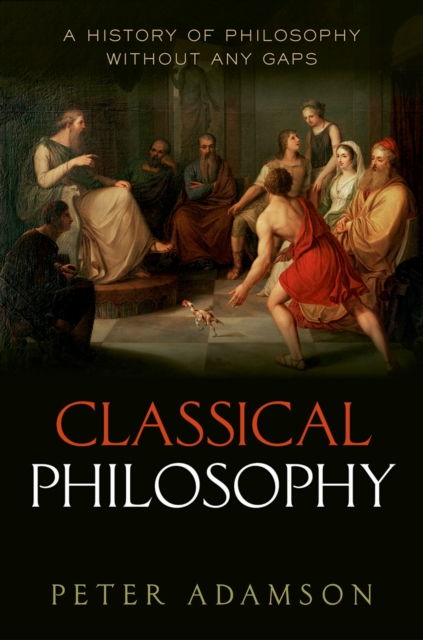
Classical Philosophy is the first of a series of books in which Peter Adamson aims ultimately to present a complete history of philosophy, more thoroughly but also more enjoyably than ever before.
Classical Philosophy is the first of a series of books in which Peter Adamson aims ultimately to present a complete history of philosophy, more thoroughly but also more enjoyably than ever before.
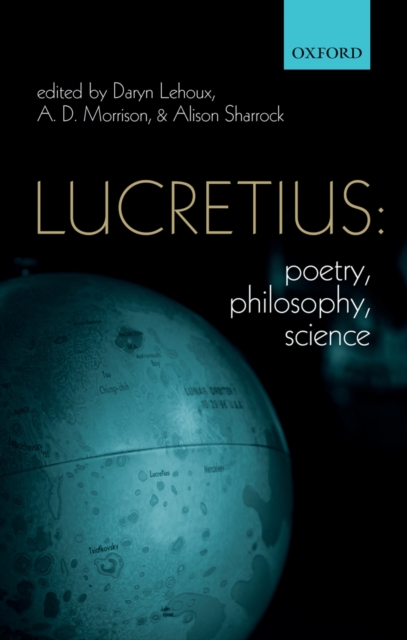
Lucretius' didactic masterpiece De Rerum Natura (On the Nature of Things) is one of the most brilliant and powerful poems in the Latin language, a passionate attempt at dispelling humanity's fear of death and its enslavement by false beliefs about the gods, and a detailed exposition of Epicurean atomist physics.
No Regrets: Remorse in Classical Antiquity is the first sustained study examining the circumstances under which the emotions of remorse and regret were manifested in Greek and Roman public life.