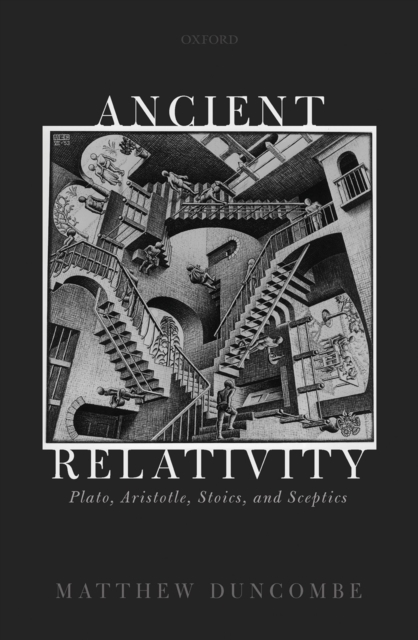
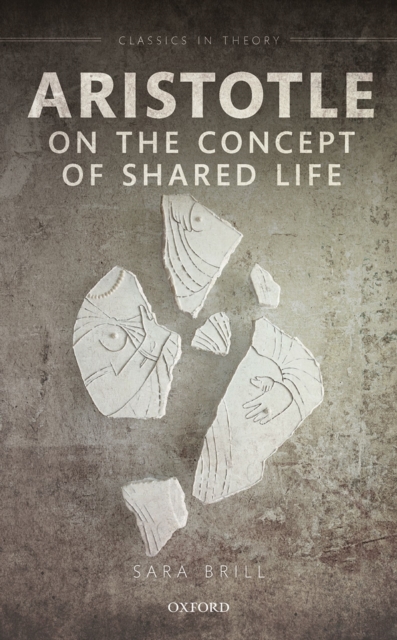
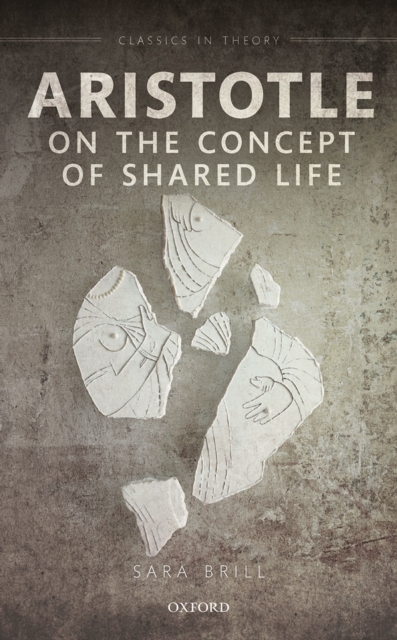
Ideas about relativity underlie much ancient Greek philosophy, from Protagorean relativism, to Plato's theory of Forms, Aristotle's category scheme, and relational logic.
After Plato's Forms, and Aristotle's substances, the Stoics posited the fundamental reality of lekta - the meanings of sentences, distinct from the sentences themselves.
After Plato's Forms, and Aristotle's substances, the Stoics posited the fundamental reality of lekta - the meanings of sentences, distinct from the sentences themselves.
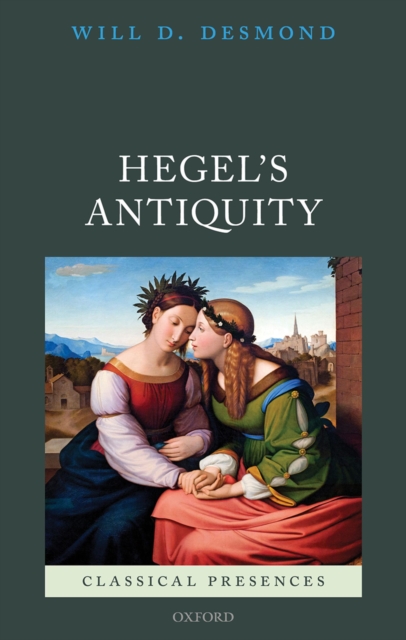
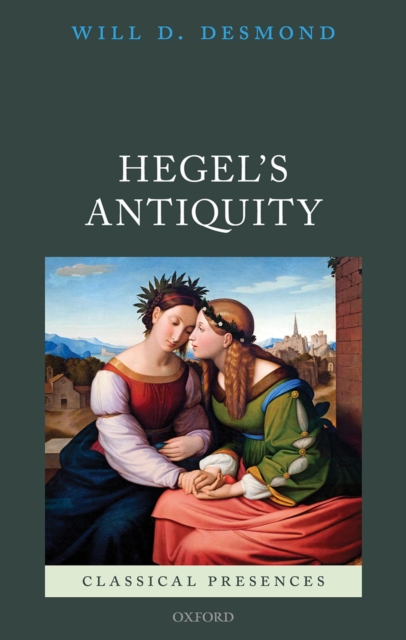
Hegel's Antiquity aims to summarize, contextualize, and criticize Hegel's understanding and treatment of major aspects of the classical world, approaching each of the major areas of his historical thinking in turn: politics, art, religion, philosophy, and history itself.
Hegel's Antiquity aims to summarize, contextualize, and criticize Hegel's understanding and treatment of major aspects of the classical world, approaching each of the major areas of his historical thinking in turn: politics, art, religion, philosophy, and history itself.
Aristotle on the Sources of the Ethical Life challenges the common belief that Aristotle's ethics is founded on an appeal to human nature, an appeal that is thought to be intended to provide both substantive ethical advice and justification for the demands of ethics.
Socrates has a unique position in the history of philosophy; it is no exaggeration to say that had it not been for his influence on Plato, the whole development of Western philosophy might have been unimaginably different.
Socrates has a unique position in the history of philosophy; it is no exaggeration to say that had it not been for his influence on Plato, the whole development of Western philosophy might have been unimaginably different.
Leadership has become a prevalent concept across a variety of disciplines, among them history, politics, management studies, economics, and psychology.
Leadership has become a prevalent concept across a variety of disciplines, among them history, politics, management studies, economics, and psychology.
Aristotle on the Sources of the Ethical Life challenges the common belief that Aristotle's ethics is founded on an appeal to human nature, an appeal that is thought to be intended to provide both substantive ethical advice and justification for the demands of ethics.
Rhythm: A Theological Category argues that, as a pervasive dimension of human existence with theological implications, rhythm ought to be considered a category of theological significance.
Rhythm: A Theological Category argues that, as a pervasive dimension of human existence with theological implications, rhythm ought to be considered a category of theological significance.
Against Those in the Disciplines (Pros Mathematikous, also known by the abbreviated title M 1-6) deals with six specialized fields of study: grammar, rhetoric, geometry, arithmetic, astrology, and music.
Humility, Pride, and Christian Virtue Theory proposes an account of humility that relies on the most radical Christian sayings about humility, especially those found in Augustine and the early monastic tradition.
Humility, Pride, and Christian Virtue Theory proposes an account of humility that relies on the most radical Christian sayings about humility, especially those found in Augustine and the early monastic tradition.
Fifteen leading philosophers explore a set of themes from the pioneering work of Gail Fine and Terence Irwin, in ancient philosophy but also in later periods and in systematic philosophy.
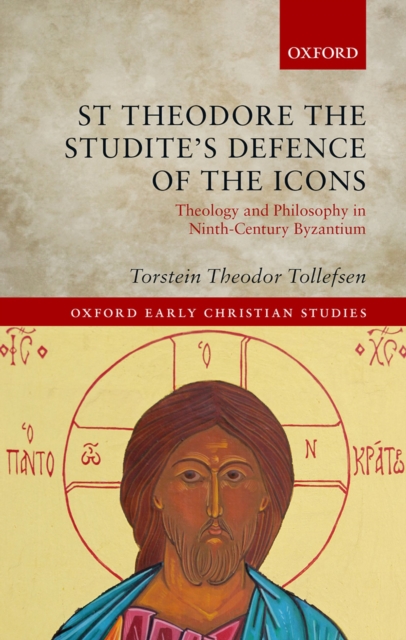
St Theodore the Studite's Defence of the Icons provides an investigation of the icon-theology of St Theodore the Studite, mainly as it is presented in his three refutations of the iconoclasts, the Antirrhetici tres adversus iconomachos.