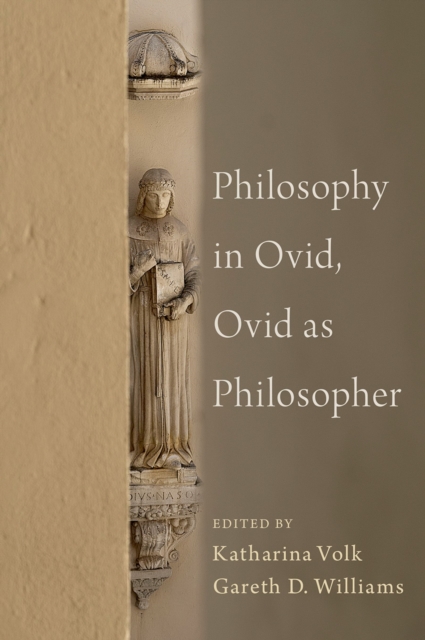
Ovid has long been celebrated for the versatility of his poetic imagination, the diversity of his generic experimentation throughout his long career, and his intimate engagement with the Greco-Roman literary tradition that precedes him; but what of his engagement with the philosophical tradition?
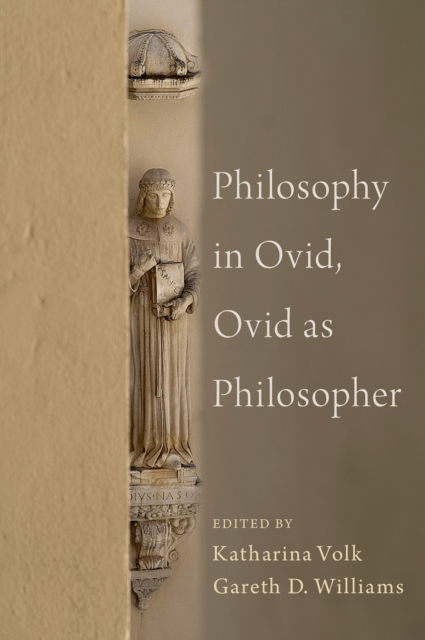
Ovid has long been celebrated for the versatility of his poetic imagination, the diversity of his generic experimentation throughout his long career, and his intimate engagement with the Greco-Roman literary tradition that precedes him; but what of his engagement with the philosophical tradition?
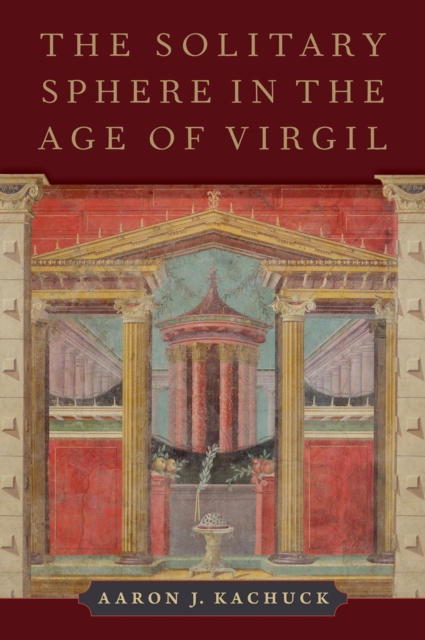
The Solitary Sphere in the Age of Virgil uses an enriched tripartite model of Roman culture-touching not only the public and the private, but also the solitary-in order to present a radical re-interpretation of Latin literature and of the historical causes of this third sphere's relative invisibility in scholarship.
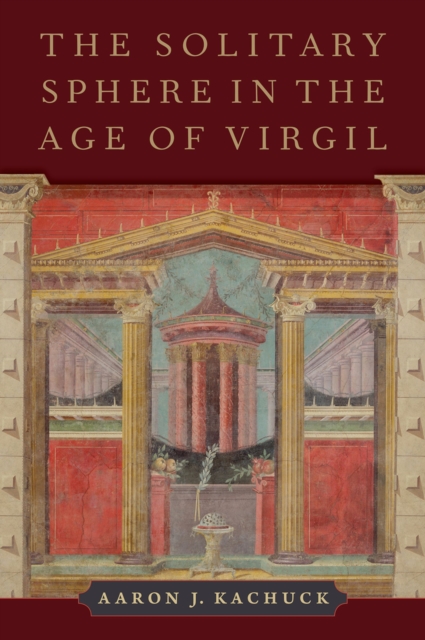
The Solitary Sphere in the Age of Virgil uses an enriched tripartite model of Roman culture-touching not only the public and the private, but also the solitary-in order to present a radical re-interpretation of Latin literature and of the historical causes of this third sphere's relative invisibility in scholarship.
This book investigates the thought of two of the most influential philosophers of antiquity, Plato and his predecessor Anaxagoras, with respect to their metaphysical accounts of objects and their properties.
This book investigates the thought of two of the most influential philosophers of antiquity, Plato and his predecessor Anaxagoras, with respect to their metaphysical accounts of objects and their properties.
The ancient Greek philosopher Epicurus (341-270 BCE), though often despised for his materialism, hedonism, and denial of the immortality of the soul during many periods of history, has at the same time been a source of inspiration to figures as diverse as Vergil, Hobbes, Thomas Jefferson, and Bentham.
The ancient Greek philosopher Epicurus (341-270 BCE), though often despised for his materialism, hedonism, and denial of the immortality of the soul during many periods of history, has at the same time been a source of inspiration to figures as diverse as Vergil, Hobbes, Thomas Jefferson, and Bentham.
In order to compete in the modern world, any society today must rank education in science, mathematics, and technology as one of its highest priorities.
Modern studies of classical utopian thought are usually restricted to the Republic and Laws of Plato, producing the impression that Greek speculation about ideal states was invariably authoritarian and hierarchical.
This volume brings together mostly previously unpublished studies by prominent historians, classicists, and philosophers on the roles and effects of religion in Socratic philosophy and on the trial of Socrates.
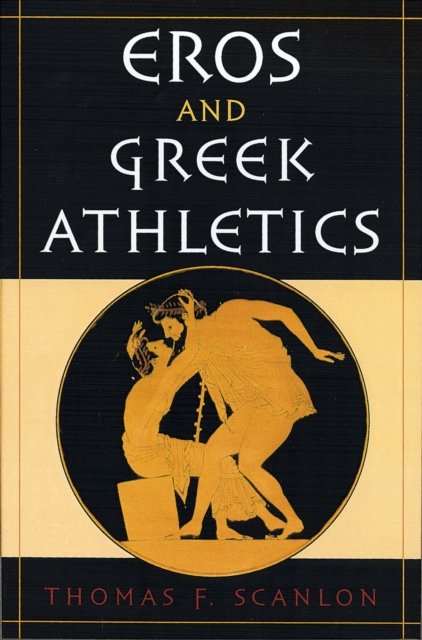
Ancient Greek athletics offer us a clear window on many important aspects of ancient culture, some of which have distinct parallels with modern sports and their place in our society.
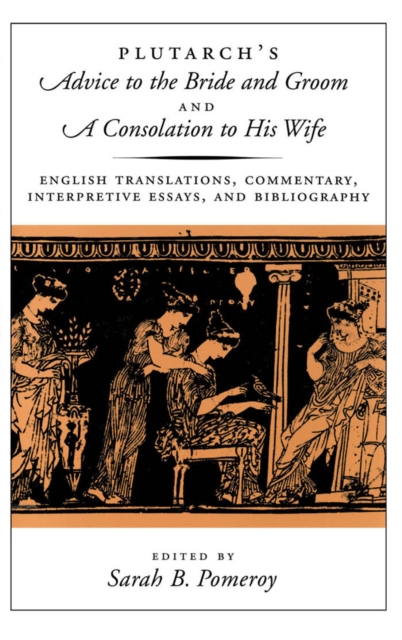
While perhaps best known for his Lives, Plutarch also wrote philosophical dialogues that constitute a major intellectual legacy from the first century A.
The struggle which Plato has Socrates recommend to his interlocutors in Gorgias - and to his readers - is the struggle to overcome the temptations of worldly success and to concentrate on genuine morality.
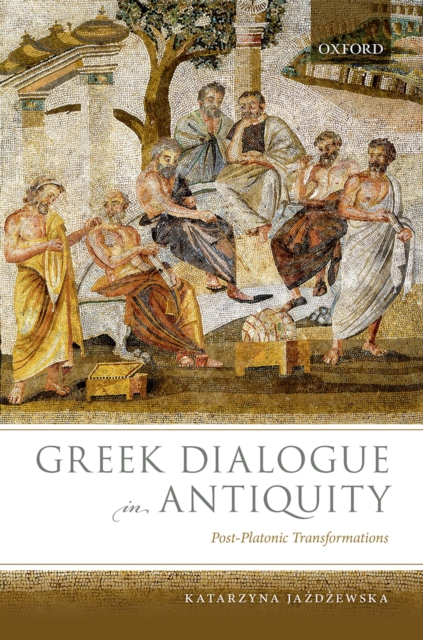
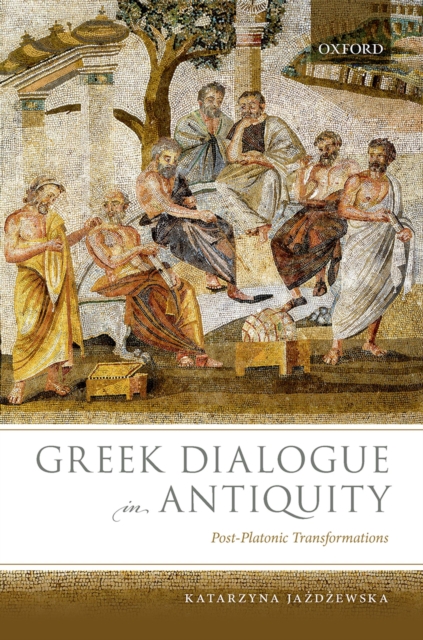
Greek Dialogue in Antiquity reexamines evidence for Greek dialogue between the mid-fourth century BCE and the mid-first century CE - that is, roughly from Plato's death to the death of Philo of Alexandria.
Greek Dialogue in Antiquity reexamines evidence for Greek dialogue between the mid-fourth century BCE and the mid-first century CE - that is, roughly from Plato's death to the death of Philo of Alexandria.
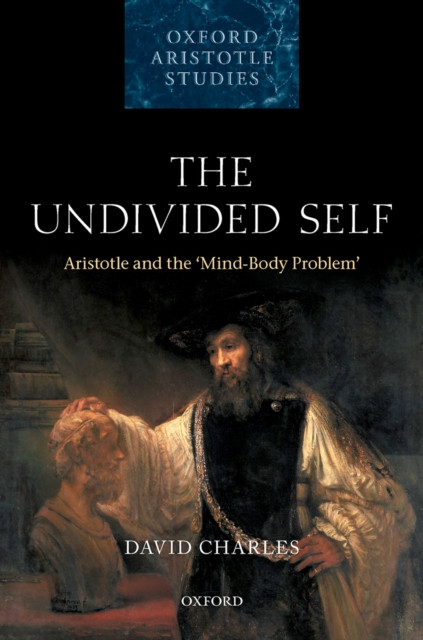
Aristotle initiated the systematic investigation of perception, the emotions, memory, desire and action, developing his own account of these phenomena and their interconnection.
This book offers an innovative analytic account of Cicero's treatment of key political ideas: liberty and equality, government, law, cosmopolitanism and imperialism, republican virtues, and ethical decision-making in politics.
Determinism, Freedom, and Moral Responsibility brings together nine essays on determinism, freedom and moral responsibility in antiquity by Susanne Bobzien.
This book examines the relationship between Plato's views on psychology and his political philosophy, focusing on his reflections on the spirited part of the tripartite soul, or thumos, and spirited motivation over the course of his career.
Focusing on Plato's Republic and Aristotle's Nicomachean Ethics, this book compares their views on the persuasiveness of moral argument: how far did they think it could reach beyond a narrow circle of believers and influence people more generally?