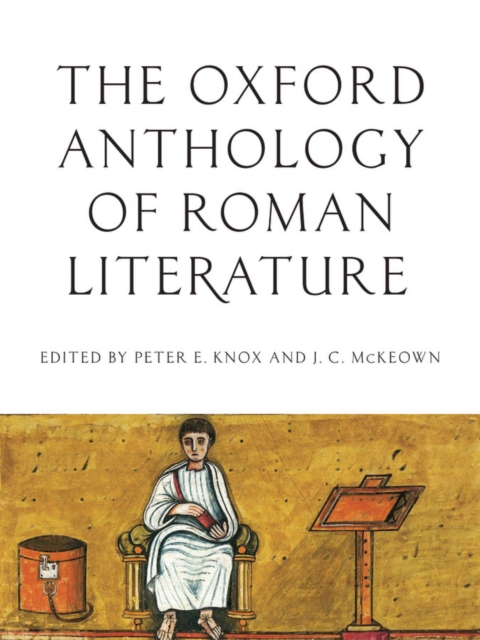
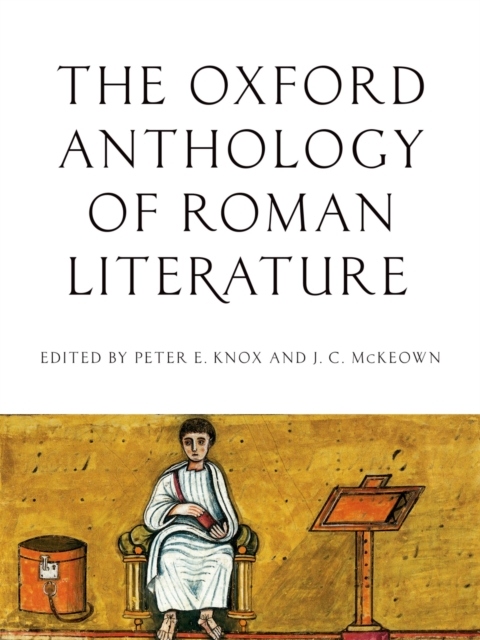
Though the wonders of ancient Roman culture continue to attract interest across the disciplines, it is difficult to find a lively, accessible collection of the full range of the era's literature in English.
This volume features fifteen new papers by an international group of scholars in ancient philosophy, with a particular focus on new work in ancient Greek and Roman ethics, epistemology, logic, and science.
In this book, Phillip Cary argues that Augustine invented the concept of the self as a private inner space-a space into which one can enter and in which one can find God.
Stoic Warriors explores the relationship between soldiers and Stoic philosophy, exploring what Stoicism actually is, the role it plays in the character of the military (both ancient and modern), and its powerful value as a philosophy of life.
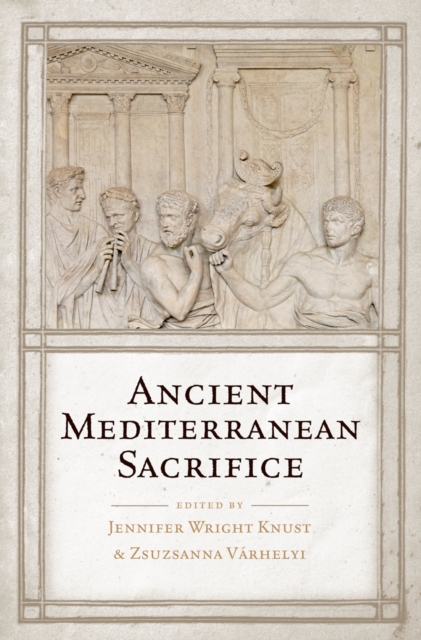
An investigation of the multiple meanings and functions of sacrifice in diverse religious texts and practices from the late Hellenistic and Roman imperial periods.
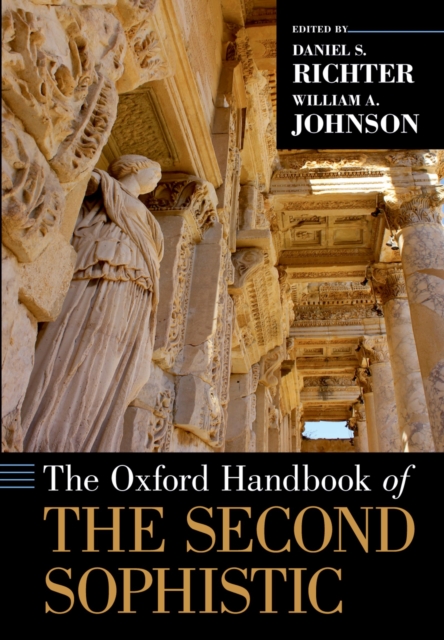
Though the wonders of ancient Roman culture continue to attract interest across the disciplines, it is difficult to find a lively, accessible collection of the full range of the era's literature in English.
Focusing on the period known as the Second Sophistic (an era roughly co-extensive with the second century AD), this Handbook serves the need for a broad and accessible overview.
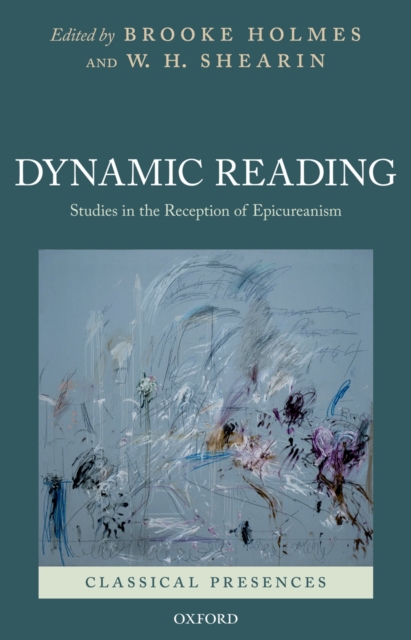
Dynamic Reading examines the reception history of Epicureanism in the West, focusing in particular on the ways in which it has provided conceptual tools for defining how we read and respond to texts, art, and the world more generally.
Most people think that the difficulty of balancing career and personal/family relationships is the fault of present-day society or is due to their own inadequacies.
Seneca's Natural Questions is an eight-book disquisition on the nature of meteorological phenomena, ranging inter alia from rainbows to earthquakes, from comets to the winds, from the causes of snow and hail to the reasons why the Nile floods in summer.
Most philosophy has rejected the theater, denouncing it as a place of illusion or moral decay; the theater in turn has rejected philosophy, insisting that drama deals in actions, not ideas.
This book offers a new argument for the ancient claim that well-being as the highest prudential good -- eudaimonia --consists of happiness in a virtuous life.
Scholarship on Plato's dialogues persistently divides its focus between the dramatic or literary and the philosophical or argumentative dimensions of the texts.
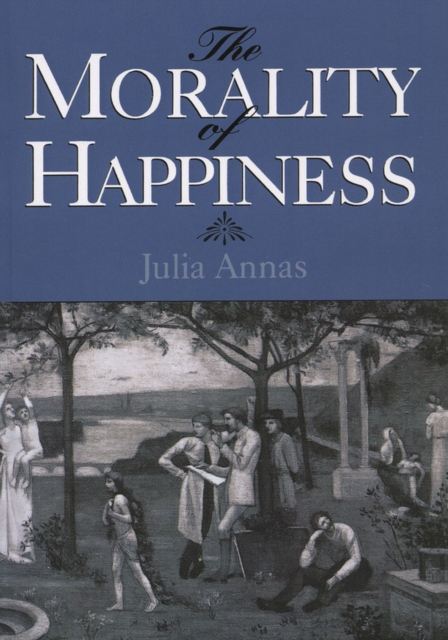
Ever since "e;Know Thyself"e; was inscribed at Delphi, Western philosophers have struggled to understand the relations between morality and self-interest.
Oxford Approaches to Classical Literature (Series Editors: Kathleen Coleman and Richard Rutherford) introduces individual works of Greek and Latin literature to readers who are approaching them for the first time.
In this book, Phillip Cary argues that Augustine invented the concept of the self as a private inner space-a space into which one can enter and in which one can find God.
In the past quarter century, enormous philosophical attention has been paid to Plato's "e;Socratic"e; dialogues, as interpreters have sought to identify which dialogues are truly Socratic and interpret and defend the moral theories they find in those works.