This unique collection of essays, published together for the first time, not only elucidates the complexity of ancient Greek thought, but also reveals Karl Popper's engagement with Presocratic philosophy and the enlightenment he experienced in his reading of Parmenides.
This unique collection of essays, published together for the first time, not only elucidates the complexity of ancient Greek thought, but also reveals Karl Popper's engagement with Presocratic philosophy and the enlightenment he experienced in his reading of Parmenides.
That the works of the ancient tragedians still have an immediate and profound appeal surely needs no demonstration, yet the modern reader continually stumbles across concepts which are difficult to interpret or relate to - moral pollution, the authority of oracles, classical ideas of geography - as well as the names of unfamiliar legendary and mythological figures.
That the works of the ancient tragedians still have an immediate and profound appeal surely needs no demonstration, yet the modern reader continually stumbles across concepts which are difficult to interpret or relate to - moral pollution, the authority of oracles, classical ideas of geography - as well as the names of unfamiliar legendary and mythological figures.
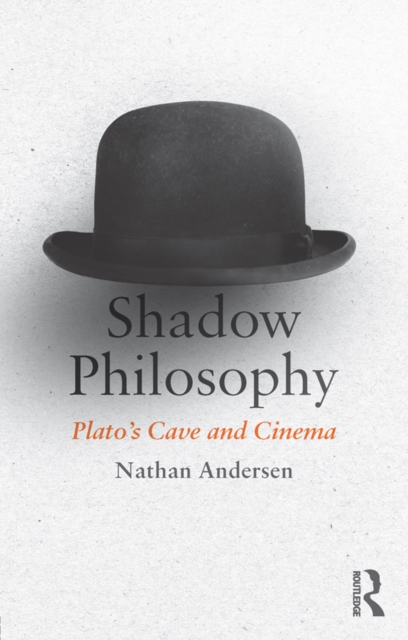
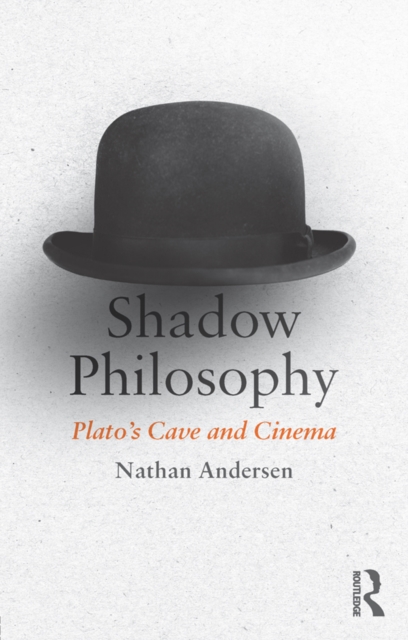
Shadow Philosophy: Plato's Cave and Cinema is an accessible and exciting new contribution to film-philosophy, which shows that to take film seriously is also to engage with the fundamental questions of philosophy.
Shadow Philosophy: Plato's Cave and Cinema is an accessible and exciting new contribution to film-philosophy, which shows that to take film seriously is also to engage with the fundamental questions of philosophy.
This volume, first published in 1974, offers a selection of modern perspectives on Seneca, covering his prose treatises, his letters and his tragedies.
This volume, first published in 1974, offers a selection of modern perspectives on Seneca, covering his prose treatises, his letters and his tragedies.
Intellectuals in Politics in the Greek World, first published in 1984, was the first comprehensive study of this recurrent theme in political sociology with specific reference to antiquity, and led to significant revaluation of the role of intellectuals in everyday political life.
Intellectuals in Politics in the Greek World, first published in 1984, was the first comprehensive study of this recurrent theme in political sociology with specific reference to antiquity, and led to significant revaluation of the role of intellectuals in everyday political life.
The Third City, first published in 1982, offers an innovative response to the troubled relationship between Western philosophy, as it has been conducted since the Renaissance, and the everyday lives of the communities in which we live.
The Third City, first published in 1982, offers an innovative response to the troubled relationship between Western philosophy, as it has been conducted since the Renaissance, and the everyday lives of the communities in which we live.
Roman Stoicism, first published in 1911, offers an authoritative introduction to this fascinating chapter in the history of Western philosophy, which throughout the 20th century has been rediscovered and rehabilitated among philosophers, theologians and intellectual historians.
Roman Stoicism, first published in 1911, offers an authoritative introduction to this fascinating chapter in the history of Western philosophy, which throughout the 20th century has been rediscovered and rehabilitated among philosophers, theologians and intellectual historians.
Julian: An Intellectual Biography, first published in 1981, presents a penetrating and scholarly analysis of Julian's intellectual development against the background of philosophy and religion in the late Roman Empire.
Julian: An Intellectual Biography, first published in 1981, presents a penetrating and scholarly analysis of Julian's intellectual development against the background of philosophy and religion in the late Roman Empire.
In the fifth century BC Thebes, faced with the challenges presented by defeat and disgrace in the Persian Wars - it had sided with the invaders - succeeded not only in regaining its former prominence, but also in laying the groundwork for its hegemony of Greece in the early part of the fourth century.
In the fifth century BC Thebes, faced with the challenges presented by defeat and disgrace in the Persian Wars - it had sided with the invaders - succeeded not only in regaining its former prominence, but also in laying the groundwork for its hegemony of Greece in the early part of the fourth century.
The Sophists, the Socratics and the Cynics had one important characteristic in common: they mainly used spoken natural language as their instrument of investigation, and they were more concerned to discover human nature in its various practical manifestations than the facts of the physical world.
The Sophists, the Socratics and the Cynics had one important characteristic in common: they mainly used spoken natural language as their instrument of investigation, and they were more concerned to discover human nature in its various practical manifestations than the facts of the physical world.
This book sketches the contours of a vision that moves beyond the dominant paradigm or worldview that underlies and governs modernity (and postmodernity).
This book sketches the contours of a vision that moves beyond the dominant paradigm or worldview that underlies and governs modernity (and postmodernity).