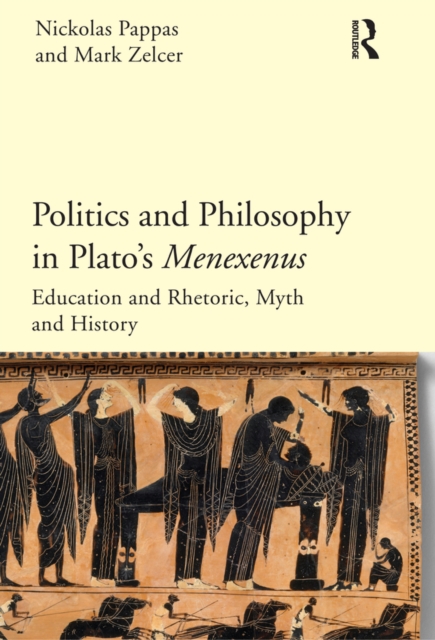
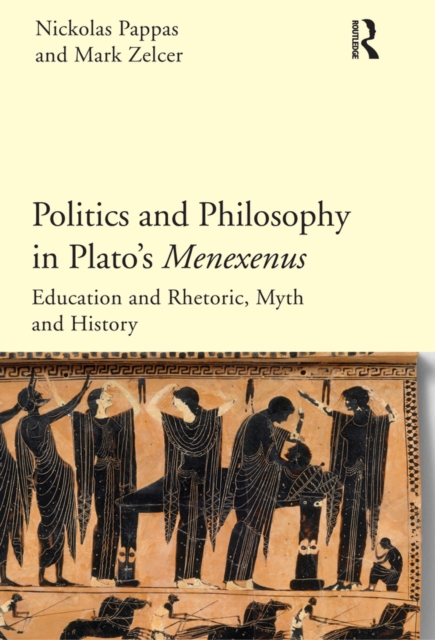
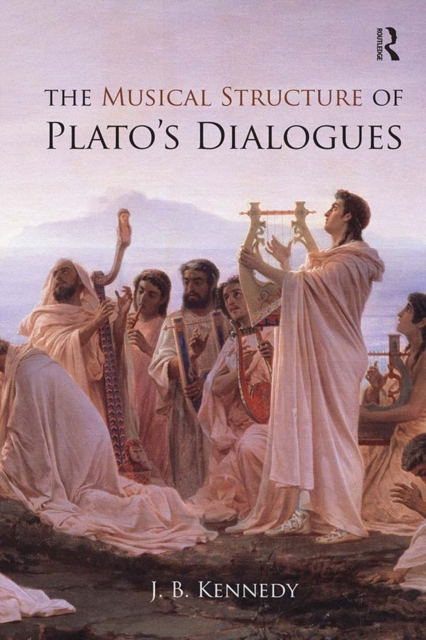
Menexenus is one of the least studied among Plato's works, mostly because of the puzzling nature of the text, which has led many scholars either to reject the dialogue as spurious or to consider it as a mocking parody of Athenian funeral rhetoric.
Menexenus is one of the least studied among Plato's works, mostly because of the puzzling nature of the text, which has led many scholars either to reject the dialogue as spurious or to consider it as a mocking parody of Athenian funeral rhetoric.
The Routledge Handbook of Neoplatonism is an authoritative and comprehensive survey of the most important issues and developments in one of the fastest growing areas of research in ancient philosophy.
The Routledge Handbook of Neoplatonism is an authoritative and comprehensive survey of the most important issues and developments in one of the fastest growing areas of research in ancient philosophy.
The New Yearbook for Phenomenology and Phenomenological Philosophy provides an annual international forum for phenomenological research in the spirit of Husserl's groundbreaking work and the extension of this work by such figures as Scheler, Heidegger, Sartre, Levinas, Merleau-Ponty and Gadamer.
The New Yearbook for Phenomenology and Phenomenological Philosophy provides an annual international forum for phenomenological research in the spirit of Husserl's groundbreaking work and the extension of this work by such figures as Scheler, Heidegger, Sartre, Levinas, Merleau-Ponty and Gadamer.
It is argued that the normative and ethical presuppositions of standard economics render the discipline incapable of addressing an important class of problems involving human choices.
From the now iconic Barack Obama 'Hope' poster of the 2008 presidential campaign to the pit-head 'Camp Hope' of the families of the trapped Chilean miners, the language of hope can be hugely powerful as it draws on resources that are uniquely human and universal.
From the now iconic Barack Obama 'Hope' poster of the 2008 presidential campaign to the pit-head 'Camp Hope' of the families of the trapped Chilean miners, the language of hope can be hugely powerful as it draws on resources that are uniquely human and universal.
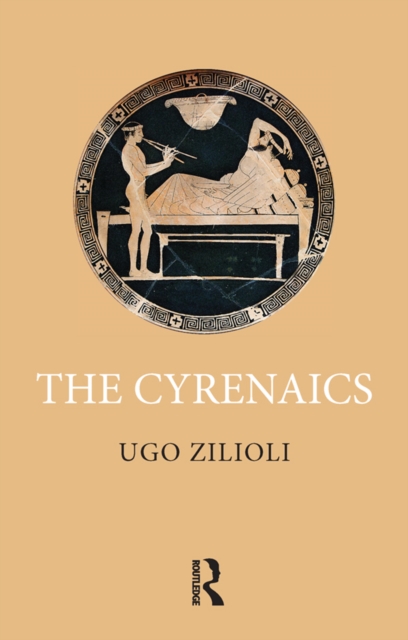
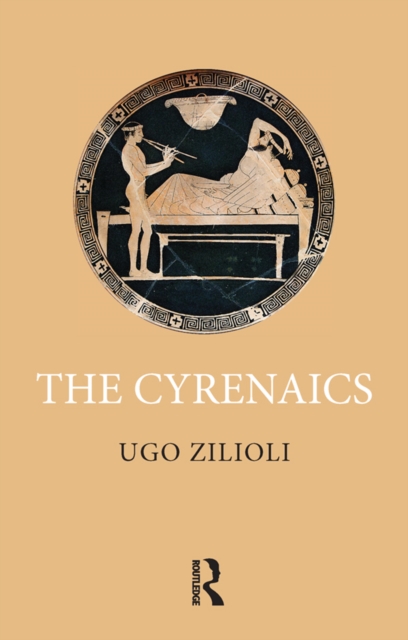
The Cyrenaic school of philosophy (named after its founder Aristippus' native city of Cyrene in North Africa) flourished in the fifth and fourth centuries BCE and whose importance was much recognized in ancient times.
The Cyrenaic school of philosophy (named after its founder Aristippus' native city of Cyrene in North Africa) flourished in the fifth and fourth centuries BCE and whose importance was much recognized in ancient times.
Cicero's philosophical works introduced Latin audiences to the ideas of the Stoics, Epicureans and other schools and figures of the post-Aristotelian period, thus influencing the transmission of those ideas through later history.
Cicero's philosophical works introduced Latin audiences to the ideas of the Stoics, Epicureans and other schools and figures of the post-Aristotelian period, thus influencing the transmission of those ideas through later history.
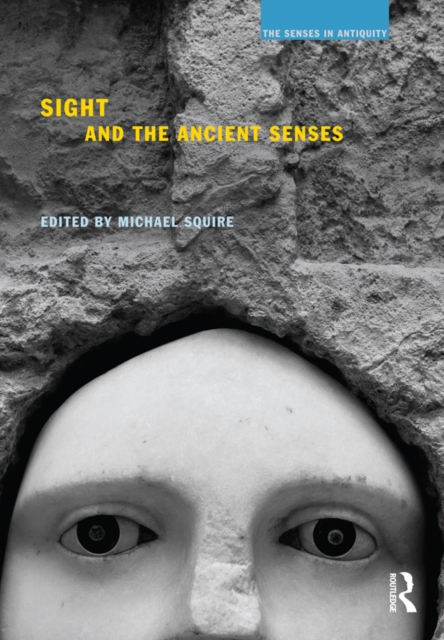
It is to Greek critical thinking about seeing that we owe our conceptual framework for theorizing the senses, and it is also to such thinking that we owe the lasting legacy of Greco-Roman imagery.
It is to Greek critical thinking about seeing that we owe our conceptual framework for theorizing the senses, and it is also to such thinking that we owe the lasting legacy of Greco-Roman imagery.
In the two golden centuries that followed the death of Socrates, ancient philosophy underwent a tremendous transformation that culminated in the philosophical systematizations of Plato, Aristotle and the Hellenistic schools.
In the two golden centuries that followed the death of Socrates, ancient philosophy underwent a tremendous transformation that culminated in the philosophical systematizations of Plato, Aristotle and the Hellenistic schools.
This collection of essays showcases the most important and influential philosophical works of the ancient and medieval period, roughly from 600 BC to AD 1600.
This collection of essays showcases the most important and influential philosophical works of the ancient and medieval period, roughly from 600 BC to AD 1600.
The earliest phase of philosophy in Europe saw the beginnings of cosmology and rational theology, metaphysics, epistemology, and ethical and political theory.
The earliest phase of philosophy in Europe saw the beginnings of cosmology and rational theology, metaphysics, epistemology, and ethical and political theory.
Although Neoplatonism has long been studied by classicists, until recently most philosophers saw the ideas of Plotinus et al as a lot of religious/magical mumbo-jumbo.
Although Neoplatonism has long been studied by classicists, until recently most philosophers saw the ideas of Plotinus et al as a lot of religious/magical mumbo-jumbo.
Scepticism, a philosophical tradition that casts doubt on our ability to gain knowledge of the world and suggests suspending judgement in the face of uncertainty, has been influential since is beginnings in ancient Greece.
Scepticism, a philosophical tradition that casts doubt on our ability to gain knowledge of the world and suggests suspending judgement in the face of uncertainty, has been influential since is beginnings in ancient Greece.
Aimed at students of classics and of philosophy who would like a taste of the subject before being committed to a full course and at those who have already started and need to find their bearings in what may seem at first a complex maze of names and schools, "e;Introducing Greek Philosophy"e; is a concise, lively, philosophically aware introduction to ancient Greek philosophy.
This introduction to one of the liveliest and most popular fields in philosophy is written specifically for a beginning readership with no background in philosophy or science.
This introduction to one of the liveliest and most popular fields in philosophy is written specifically for a beginning readership with no background in philosophy or science.
In late antiquity the works of Plato and Aristotle were subject to intense study, which eventually led to the development of a new literary form, the philosophical commentary.
In late antiquity the works of Plato and Aristotle were subject to intense study, which eventually led to the development of a new literary form, the philosophical commentary.