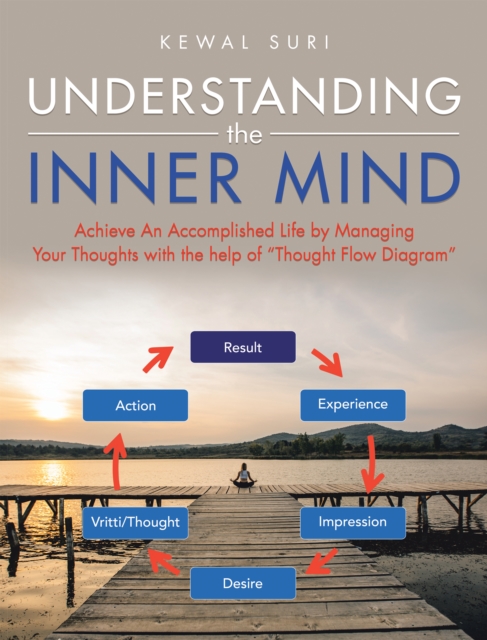
Using a lens of mindfulness, this book explores how digital dependencies can displace attention and undermine attentional control, leading to experiences of stress and mindless involvement with digital technology.
This highly interdisciplinary book, covering more than six fields, from philosophy and sciences all the way up to the humanities and with contributions from eminent authors, addresses the interplay between content and context, reductionism and holism and their meeting point: the notion of emergence.
This book examines the link between sensual austerity and moral leadership-a topic largely neglected in contemporary academic scholarship and public policy-by exploring the comparative cross-cultural perspectives of Plato, Confucius, and Gandhi, on this theme.
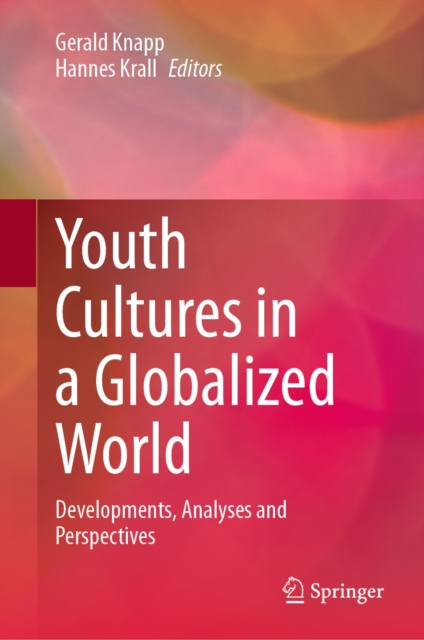
This book examines the relation between the phenomenon of globalization, changes in the lifeworld of young people and the development of specific youth cultures.
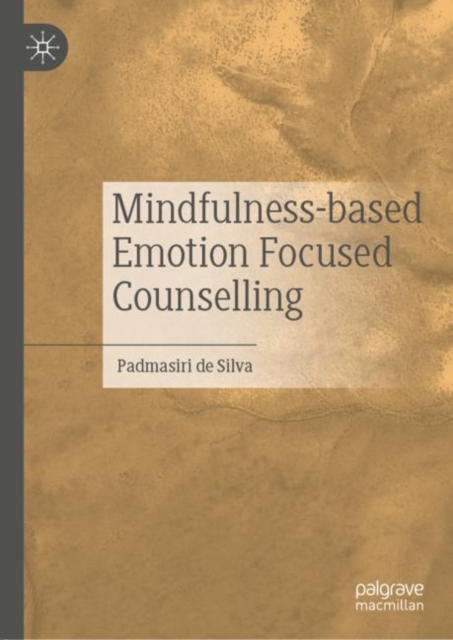
This book examines the use of Buddhist ideas, particularly mindfulness, to manage a broad spectrum of emotions and to address social and economic issues impacting the world, such as climate change.
This book investigates young children's everyday digital practices, embodied digital play, and digital media products - such as mobile applications, digital games, and software tools.
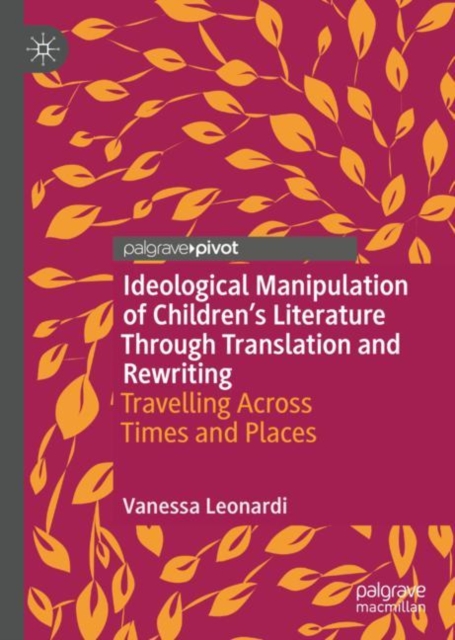
This book explores the topic of ideological manipulation in the translation of children's literature by addressing several crucial questions, including how target language norms and conventions affect the quality of a translation, how translations are selected on the basis of what is culturally accepted, who is involved in the selection of what should be translated for children in the target culture, and how this process takes place.
Dieses eBook: "Die Weisheit des Brahmanen" ist mit einem detaillierten und dynamischen Inhaltsverzeichnis versehen und wurde sorgfältig korrekturgelesen.
This is the second volume of the annotated translation of Tsong Khapa's Illumination of the Hidden Meaning (sbas don kun gsal), a magnificent commentary on the Cakrasamvara Tantra.
A masterful translation of classic scholar Buddhapalita's breakthrough elucidation of Nagarjuna's famous Middle Way text, which has profoundly influenced generations of Buddhist philosophers.
Enlightened Contemporaries is the first book to compare the lives and teachings of three of the world's most admired spiritual masters: Francis of Assisi, the Christian saint; Dogen, the great Zen Buddhist teacher; and Rumi, the Islamic Sufi master.
"e;These two extraordinary Zen Teachers offer a cutting-edge immersion into the koans of our actual lives, issue by issue, urging us to plunge in, and be intimate with what actually is, in this very moment.
Este libro, Shaivismo de Cachemira: el Supremo secreto, por el gran santo filósofo del siglo XX Swami Lakshmanjoo, presenta un desarrollo sistemático de las enseñanzas tántricas de la antigua tradición del Shaivismo de Cachemira.