While indeterminacy is a recurrent theme in philosophy, less progress has been made in clarifying its significance for various philosophical and interdisciplinary contexts.
The Routledge Handbook of Yoga and Meditation Studies is a comprehensive and interdisciplinary resource, which frames and contextualises the rapidly expanding fields that explore yoga and meditative techniques.
The Routledge Handbook of Indian Buddhist Philosophy is the first scholarly reference volume to highlight the diversity and individuality of a large number of the most influential philosophers to have contributed to the evolution of Buddhist thought in India.
Crossing continents and running across centuries, Key Concepts in World Philosophies brings together the 45 core ideas associated with major Indian, Chinese, Japanese, Islamic, African, Ancient Greek, Indigenous and modern European philosophers.
This book offers the first introduction to a major Japanese philosophical movement through the interests and arguments of its founder, Nishida Kitaro (1870-1945), his successor, Tanabe Hajime (1885-1962), and student-turned-critic, Tosaka Jun (1900-1945).
Brimming with mythical imagination, poetic sallies, and often ferociously witty remarks, the Zhuangzi is one of China's greatest literary and philosophical masterpieces.
This introduction to Tanabe Hajime (1885 1962), the critical successor of the father of contemporary Japanese philosophy Nishida Kitaro (1870 1945), focuses on Tanabe's central philosophical ideas and perspective on self, world, knowledge, and the purpose of philosophizing.
Daya Krishna and Twentieth-Century Indian Philosophy introduces contemporary Indian philosophy as a unique philosophical genre through the writings of one its most significant exponents, Daya Krishna (1924-2007).
Arth patti is a pervasive form of reasoning investigated by Indian philosophers in order to think about unseen causes and interpret ordinary and religious language.
This introduction brings to life the main themes in Indian philosophy of language by using an accessible translation of an Indian classical text to provide an entry into the world of Indian linguistic theories.
Philosophy of The Bhagavad Gita: A Contemporary Introduction presents a complete philosophical guide and new translation of the most celebrated text of Hinduism.
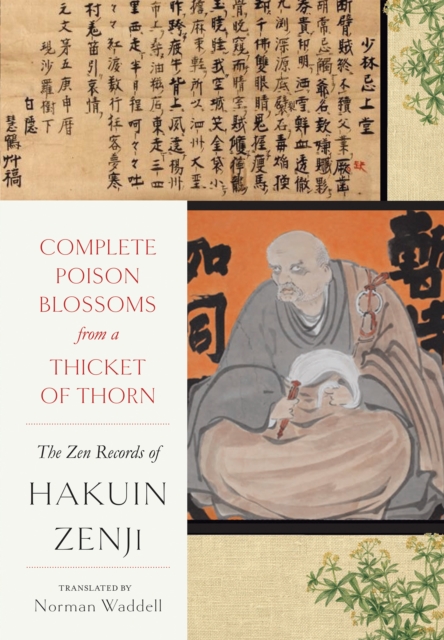
A variety of crucial and still most relevant ideas about nothingness or emptiness have gained profound philosophical prominence in the history and development of a number of South and East Asian traditions-including in Buddhism, Daoism, Neo-Confucianism, Hinduism, Korean philosophy, and the Japanese Kyoto School.
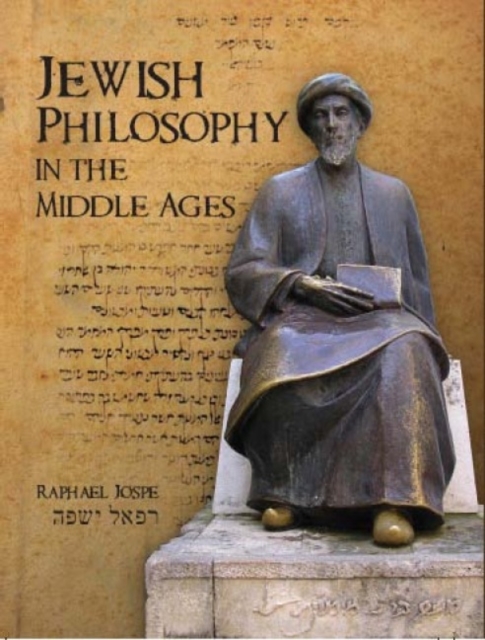
Like an ancient river, Daoist traditions introduced from China once flowed powerfully through the Japanese religious landscape, forever altering its topography and ecology.
The moral values and interpretive systems of religions are crucially involved in how people imagine the challenges of sustainability and how societies mobilize to enhance ecosystem resilience and human well-being.
Theistic Vedanta originated with Ramanuja (1077-1157), who was one of the foremost theologians of Visistadvaita Vedanta and also an initiate of the Srivaisnava sectarian tradition in South India.
The encounter between the West and India in the modern period has also been an encounter between Western modernity and the traditions of classical Indian thought.
Organised in broadly chronological terms, this book presents the philosophical arguments of the great Indian Buddhist philosophers of the fifth century BCE to the eighth century CE.