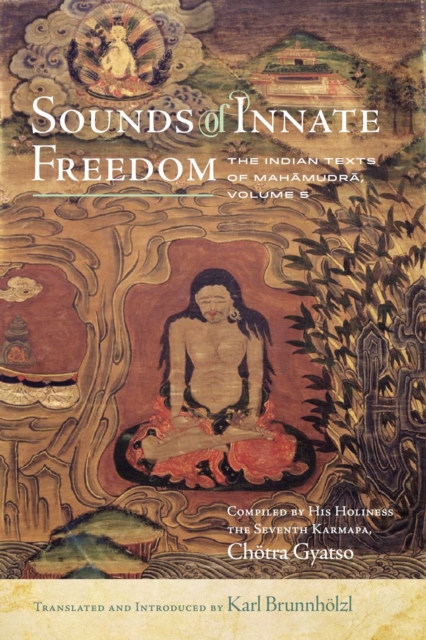
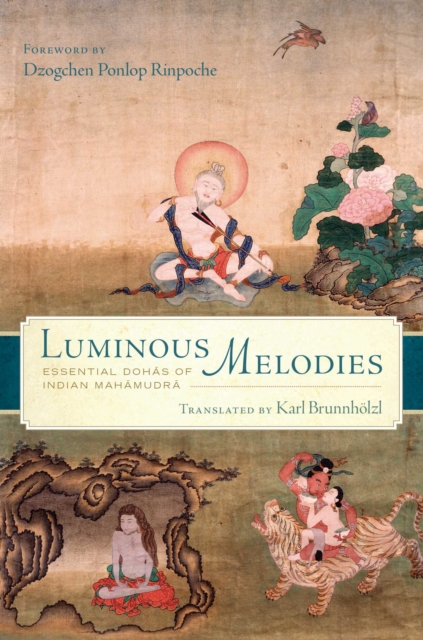
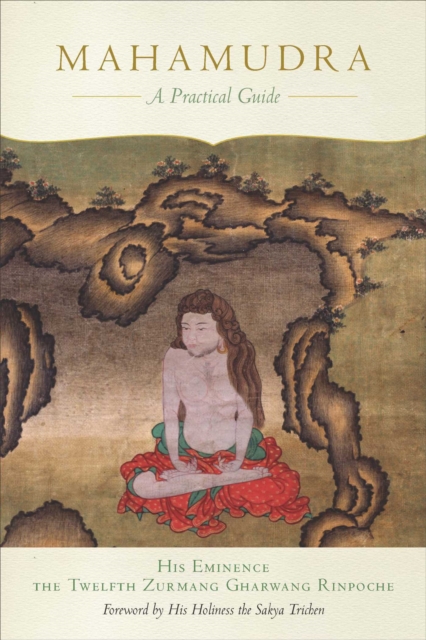
The first volume in an historic and noteworthy 6-volume series containing many of the first English translations of the classic mahamudra literature compiled by the Seventh Karmapa.
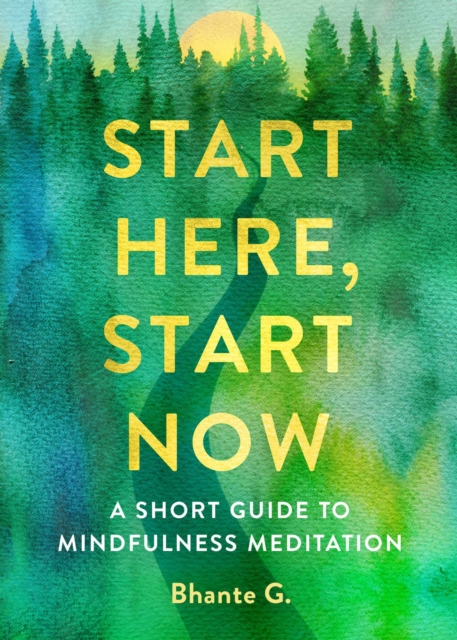
A new book distilling Wisdom's definitive masterpiece on mindfulness and all-time bestseller, Mindfulness in Plain English, down to a pocket-sized guide with everything you need to get started practicing mindfulness right now.
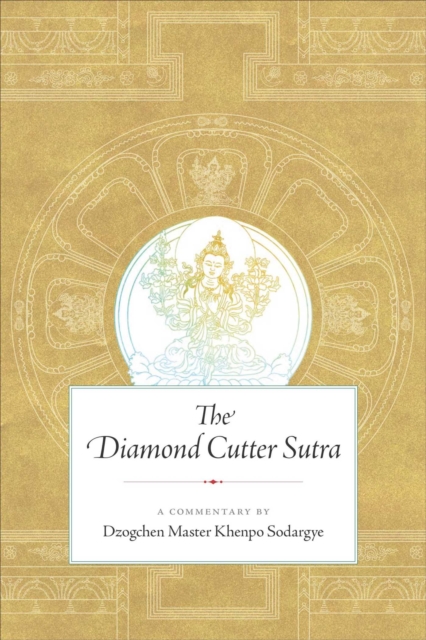
Khenpo Sodargye translates and provides commentary on the Diamond Cutter Sutra, the oldest printed book in China, shedding light on the Buddha's teachings on how to destroy attachment without being led astray; the author is a household name in China and his books and CDs sell in the millions in China.
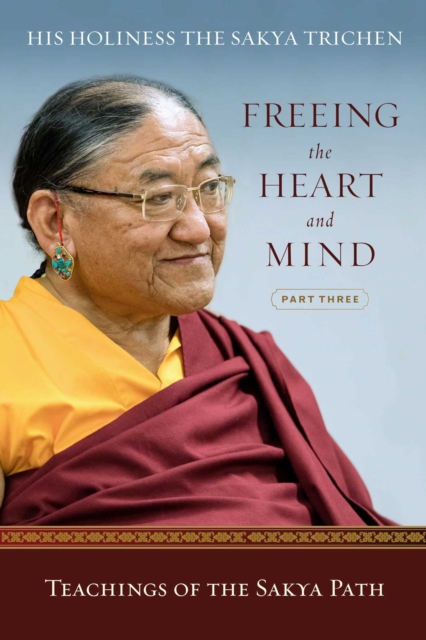
The poems and teachings of a beloved Buddhist master, vividly presented so that readers feel they are listening to the precious and renowned teachings of His Holiness directlyand learning how to live with more joy and ease.
An accessible, inspiring book on one of the most important topics in Tibetan Buddhism, written by one of its renowned masters, who has an international following of thousands.
A yoga teacher, punk rock bassist, and Buddhist teaches from experience on how approaching death and grief with a little more compassion and a little less fear will make for a better lifeand a better death, too.
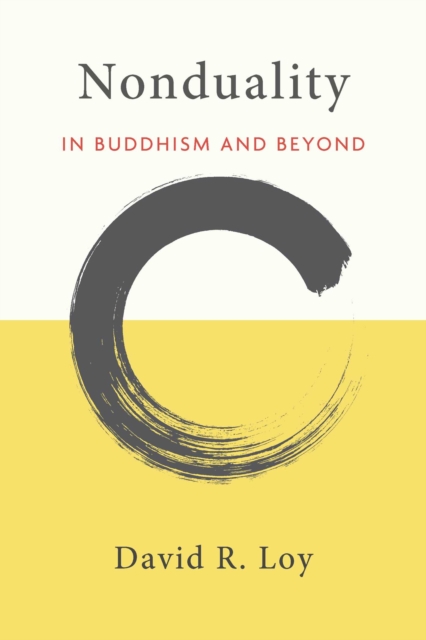
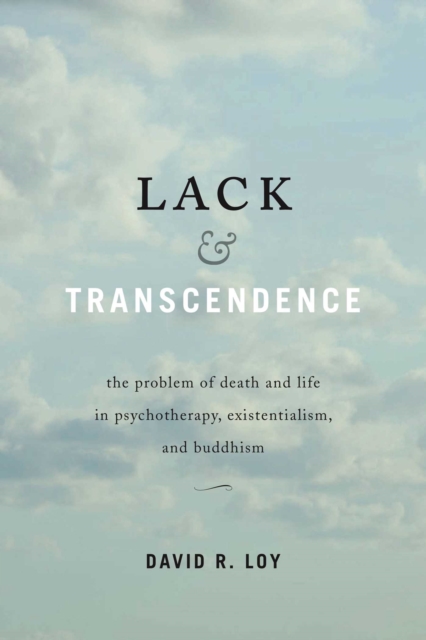
Loy draws from giants of psychotherapy and existentialism, from Nietzsche to Kierkegaard to Sartre, to explore the fundamental issues of life, death, and what motivates us.
In her long-awaited debut, a beloved master teacher shows us how to move from the ';constant squeeze' of suffering to a direct experience of enoughness.
Jewels of the Middle Way documents an important tradition of Madhyamaka and provides insight into both the late Indian Buddhist blend of Madhyamaka and tantra and the Kadampa school founded by the Indian Buddhist master Atisa.
In this mindfulness guide for a new generation, the author of A Fool's Guide to Actual Happiness provides accessible mindfulness teachings that reveal how simple it really is to entirely transform your life.
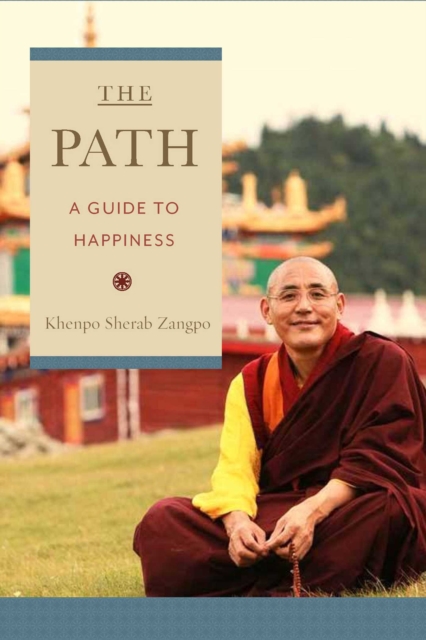
Khenpo Sherab Zangpo draws on Tibetan Buddhist tradition and his own fascinating life story to describe a way forward for contemporary practitioners, offering lucid guidance on daily practice, finding the right teacher, and cultivating a wiser and more compassionate attitude toward others and ourselves.
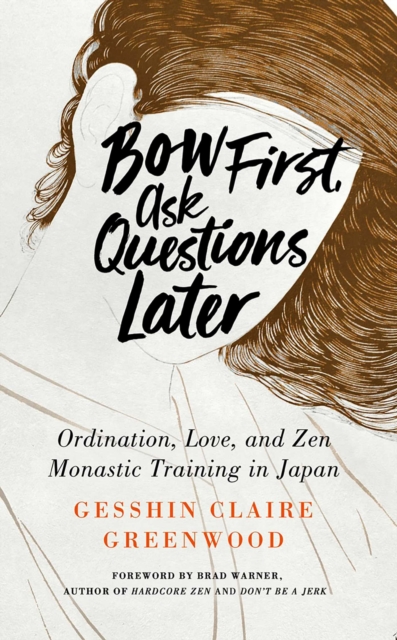
What happens when a liberal, free-spirited, modern American girl goes on a spiritual quest into structured, disciplined, traditional Japanese Zen life?