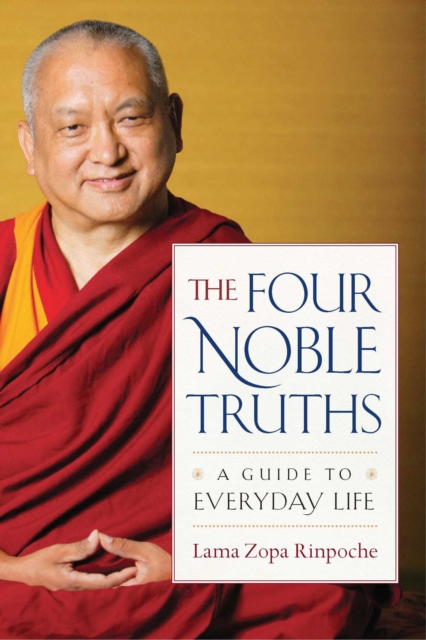
The Buddha's profound teachings on the four noble truths are illuminated by a Tibetan master simply and directly, so that readers gain an immediate and personal understanding of the causes and conditions that give rise to suffering as well as the spiritual life as the path to liberation.
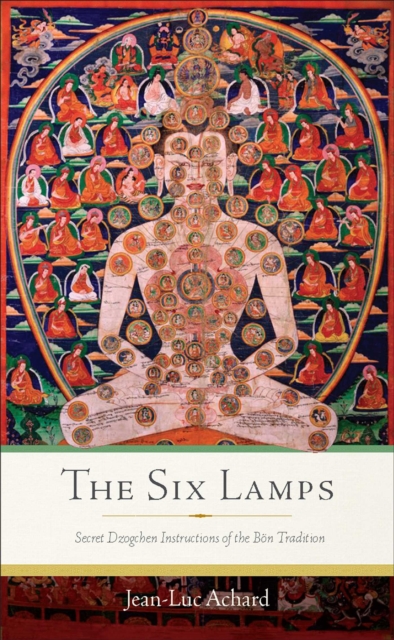
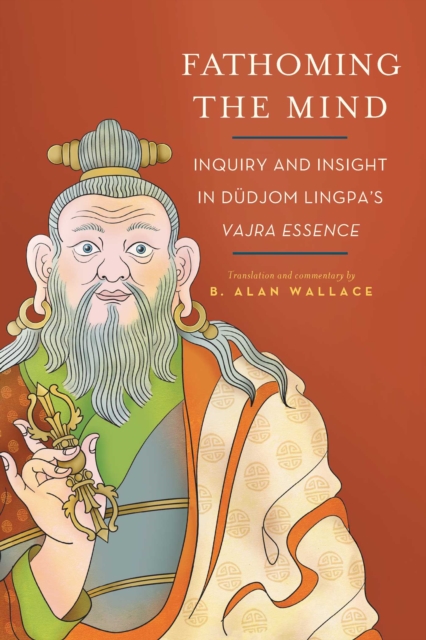
Esteemed Tibetologist Jean-Luc Achard contextualizes and provides a clear translation of highly secret precepts on Dzogchen practice unlike anything published.
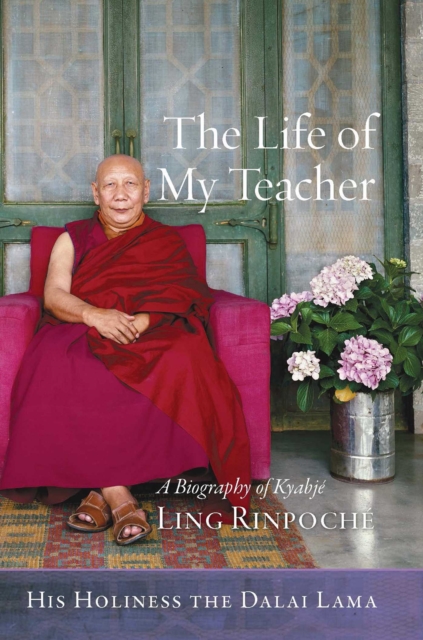
The Dalai Lama tells the life story of his remarkable teacher, Ling Rinpoche, who remained a powerful anchor for him from childhood and into his emergence as a global spiritual leader.
The final installment of the Steps on the Path to Enlightenment series examines the nature of reality with a master class in Buddhist Middle Way philosophy and meditation.
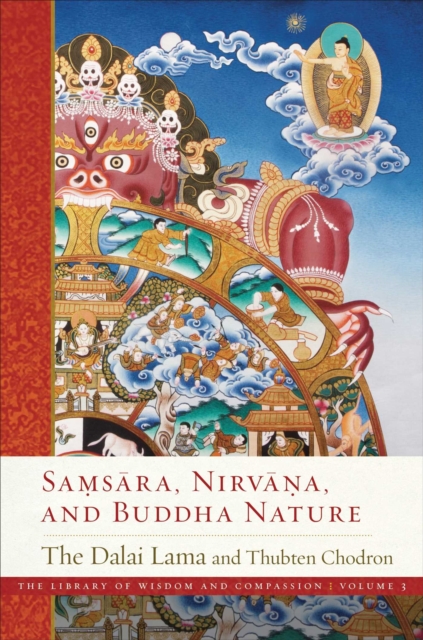
Samsara, Nirvana, and Buddha Nature takes up centrally important premises of Buddhism: the unsatisfactoriness (duhkha) of cyclic existence (samsara), the determination to be free of cyclic existence, and the mind as the basis for both the extreme duhkha of samsara and the bliss of nirvana.
Explore the nature of our material world in a unique sourcebook, conceived by the Dalai Lama, collecting the scientific observations found in classical Buddhist treatises.
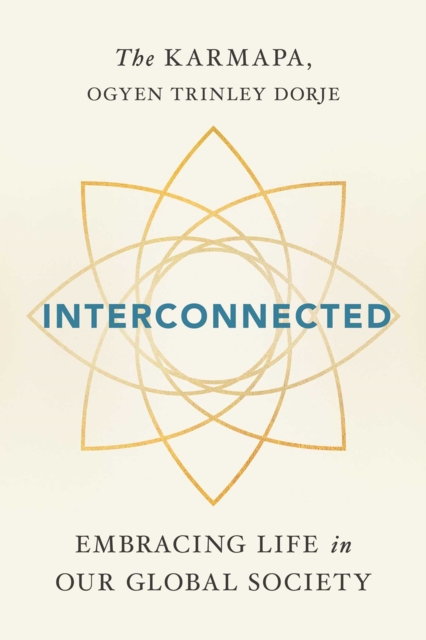
Plucked from a humble nomad family to become the leader of one of Tibet's oldest Buddhist lineages, the young Seventeenth Karmapa draws on timeless values to create an urgent ethic for today's global community.
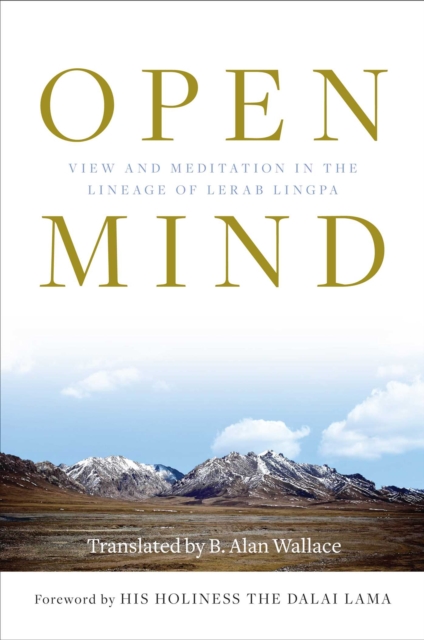
Get to know the teachings and legacy of the celebrated Lerab Lingpa, the influential confidant of the Thirteenth Dalai Lama, in this collection of practical instructions on the Great Perfection and reflections on the nonsectarian (rime) approach to Tibetan Buddhism.
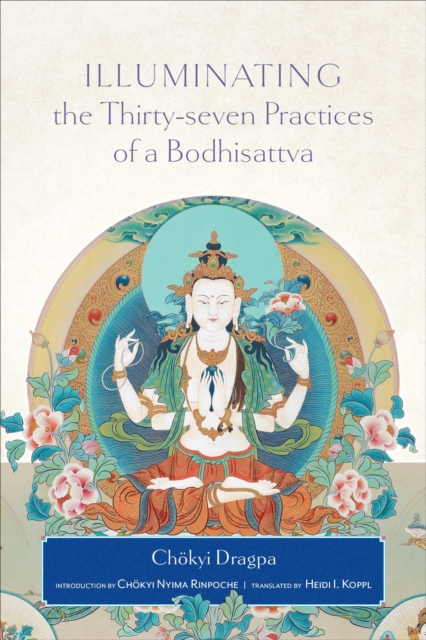
A unique presentation of the Buddhist path by Chkyi Dragpa, the foremost Gelug disciple of the famed nineteenth-century Tibetan master Patrul Rinpoche.
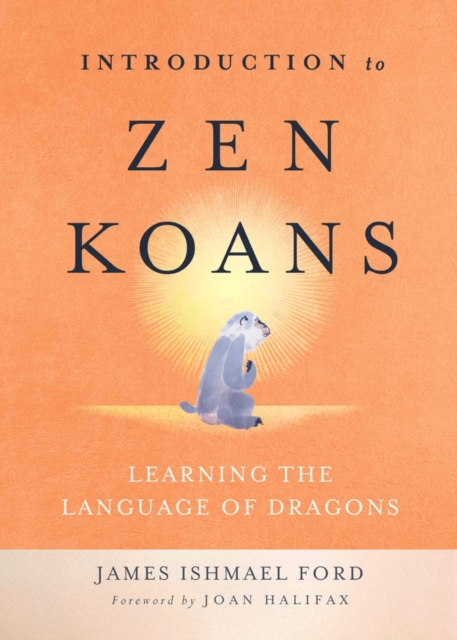
An indispensible guide to koans, teaching the reader about the importance of lineage, the practice of ';just sitting,' and koan practice as paths to awakening.
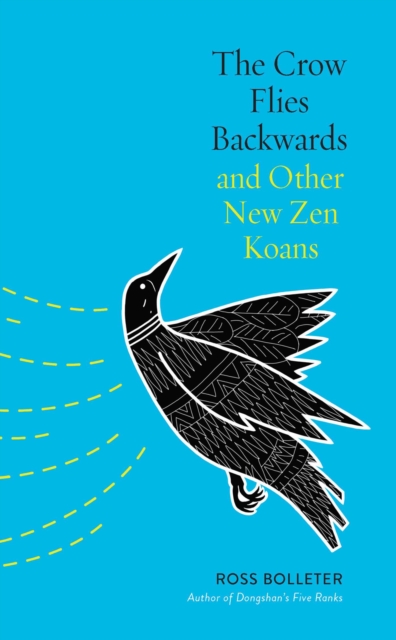
Discover how the mysterious, powerful form of the koanknown for bringing about sudden enlightenmentcan disrupt and illuminate your everyday understanding of life.
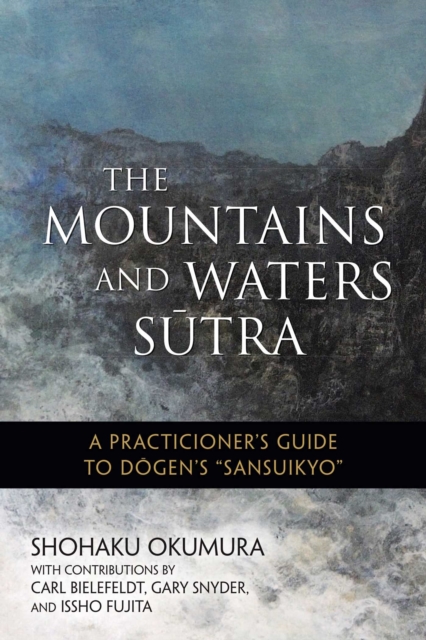
Drawing on his encyclopaedic knowledge, one of the most famous masters in the history of Zen leads us on a grand tour of Buddhist theology in all its timeless relevance.