Through a unique combination of theoretical scope and material, and historical, breadth The Hermeneutics of Suspicionposes an original investigation into our understanding of alterity in Indian literature and history, and significantly contributes to an emerging discourse on East-West literary relations.
Through a unique combination of theoretical scope and material, and historical, breadth The Hermeneutics of Suspicionposes an original investigation into our understanding of alterity in Indian literature and history, and significantly contributes to an emerging discourse on East-West literary relations.
Comparative Philosophy without Borders presents original scholarship by leading contemporary comparative philosophers, each addressing a philosophical issue that transcends the concerns of any one cultural tradition.
Comparative Philosophy without Borders presents original scholarship by leading contemporary comparative philosophers, each addressing a philosophical issue that transcends the concerns of any one cultural tradition.
The Bloomsbury Research Handbook of Chinese Philosophy Methodologies presents a new understanding of the changing methods used to study Chinese philosophy.
The Bloomsbury Research Handbook of Chinese Philosophy Methodologies presents a new understanding of the changing methods used to study Chinese philosophy.
Covering the historical, social, political, and cultural contexts, The Bloomsbury Research Handbook of Chinese Philosophy and Gender presents a comprehensive overview of the complexity of gender disparity in Chinese thought and culture.
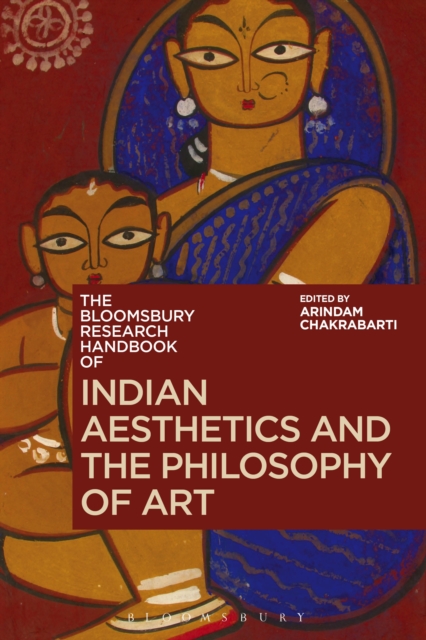
The Bloomsbury Research Handbook of Indian Aesthetics and the Philosophy of Art provides an extensive research resource to the burgeoning field of Asian aesthetics.
Introducing the topics, themes and arguments of the most influential Hindu and Buddhist Indian philosophers, An Introduction to Indian Philosophy leads the reader through the main schools of Indian thought from the origins of Buddhism to the Saiva Philosophies of Kashmir.
Introducing the topics, themes and arguments of the most influential Hindu and Buddhist Indian philosophers, An Introduction to Indian Philosophy leads the reader through the main schools of Indian thought from the origins of Buddhism to the Saiva Philosophies of Kashmir.
The Bloomsbury Research Handbook of Indian Aesthetics and the Philosophy of Art provides an extensive research resource to the burgeoning field of Asian aesthetics.
'Each page solidifies my commitment to living a life of ritual, observance and beauty' Kathryn Budig'Mira's book is a timely reminder to love yourself - to give yourself that much needed moment to stop and breathe' Asma KhanBeautifully simple age-old rituals for modern-day living that will enhance your wellbeing and bring you happiness.
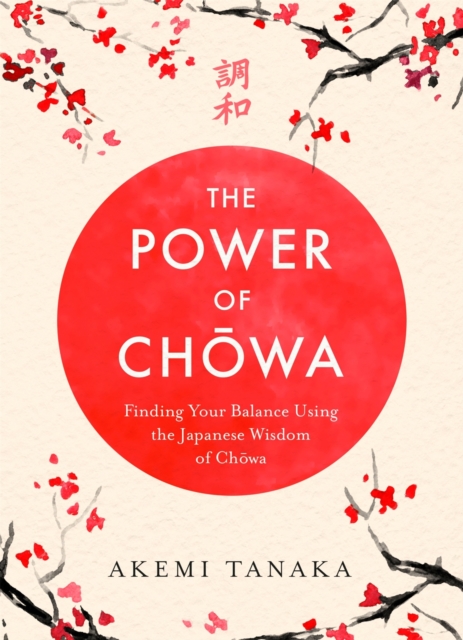
'Following Tanaka's wisdom is an easy way to start making life feel just a little more balanced' the IndependentThe Japanese wisdom of chowa offers a fresh perspective on how to live, and new ways to find balance among the many different directions that modern life pulls us in.
A NEW YORK TIMES TOP 10 BESTSELLER A fascinating, mind-blowing and deeply intelligent book that should be recommended reading for every person on our planet SCARLETT CURTISLaura Bates puts out books that perfectly describe growing problems and possible solutions.
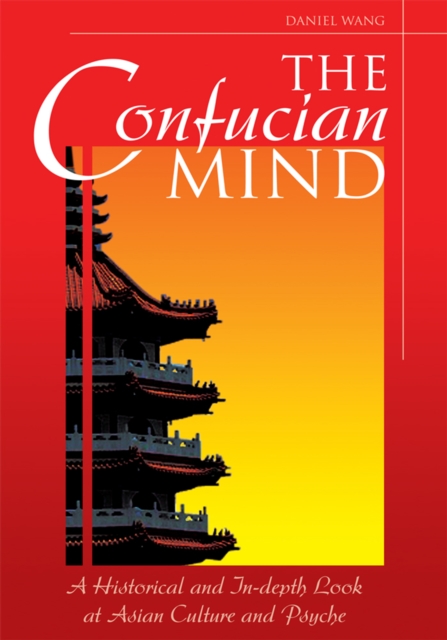
Publication Date: July 2006The Confucian civilization is thoroughly examined and explained in this volume, historically, philosophically and psychologically, by its two most prominant examples (Chinese and Japanese cultures), after a multi-year research effort, with ground breaking findings and analyses not available elsewhere.
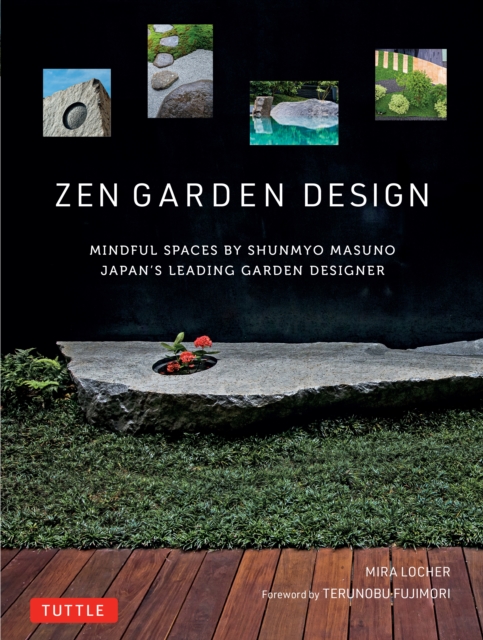
Zen Buddhist priest Shunmyo Masuno understands that today's busy world leaves little time or space for self-reflection, but that a gardeneven in the most urban of spacescan provide some respite.
This book approaches humanism in the new era in China by discussing the nature of value philosophy and by analyzing in depth the significance of value research for China's modernization and future development.
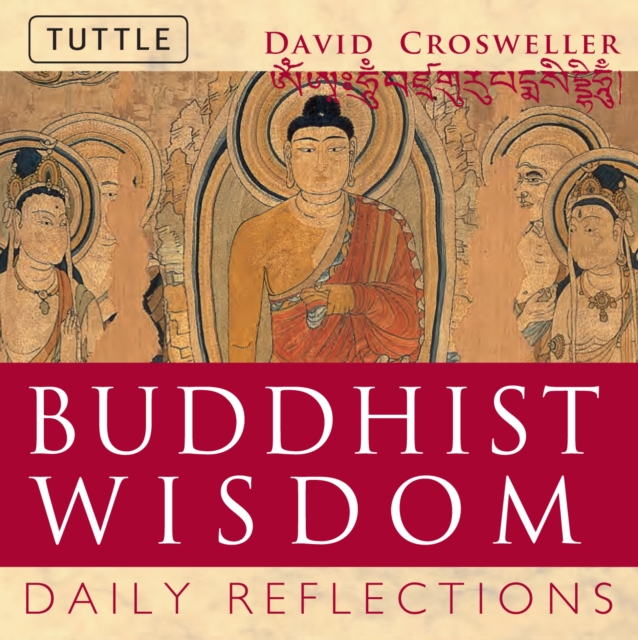
Awaken your heart and engage your mind with Buddhist Wisdom: Daily Reflections, a simple but powerful collection of Buddhist sayings and extracts that offer an easy way to incorporate the Buddha's greatest teachings into your everyday life.
The Art of War is one of the oldest and most widely read books on tactics and strategy ever written, but it can also be one of the most mystifying for modern readers to tackle.
From the kind of coverage Islam and Muslims receive in the media you would think it is an irrational and violent way of life, adopted by a bunch of lunatics.
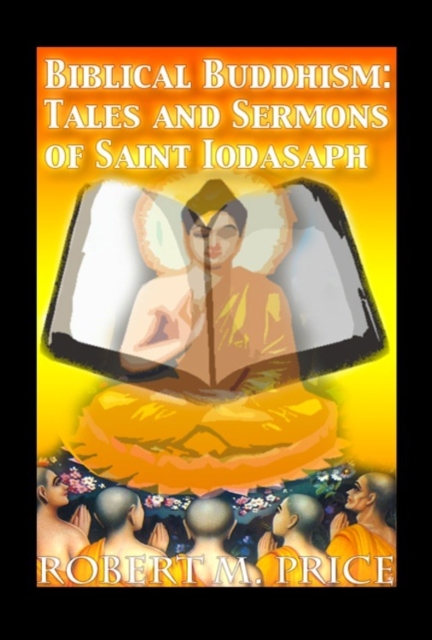
Medieval Churchmen heard the legend of Prince Siddhartha (the Bodhisattva, or Buddha-to-be) renouncing his wealth and seeking salvation as a monk, but they mistook it for the history of some Christian monk named Iodasaph (a corruption of Bodhisattva).