This is the story of fifth century CE India, when the Yogacarin Buddhists tested the awareness of unawareness, and became aware of human unawareness to an extraordinary degree.
This is the story of fifth century CE India, when the Yogacarin Buddhists tested the awareness of unawareness, and became aware of human unawareness to an extraordinary degree.
The phenomenon of filial piety is fundamental to our understanding of Chinese culture, and this excellent collection of essays explores its role in various areas of life throughout history.
The phenomenon of filial piety is fundamental to our understanding of Chinese culture, and this excellent collection of essays explores its role in various areas of life throughout history.
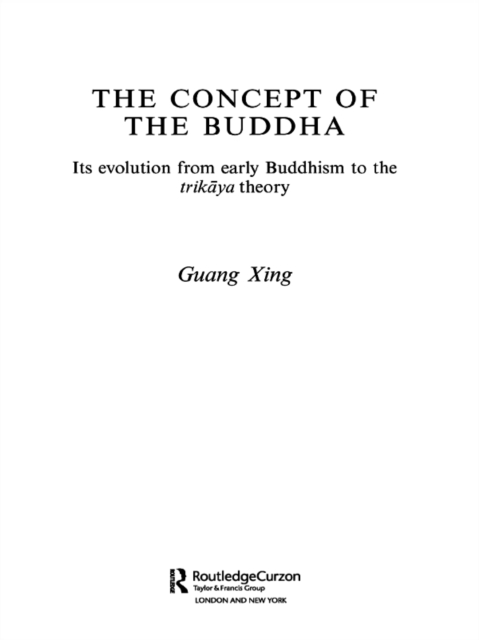
Guang Xing gives an analysis of one of the fundamental Mahayana Buddhist teachings, namely the three bodies of the Buddha (the trikaya Theory), which is considered the foundation of Mahayana philosophy.
Guang Xing gives an analysis of one of the fundamental Mahayana Buddhist teachings, namely the three bodies of the Buddha (the trikaya Theory), which is considered the foundation of Mahayana philosophy.
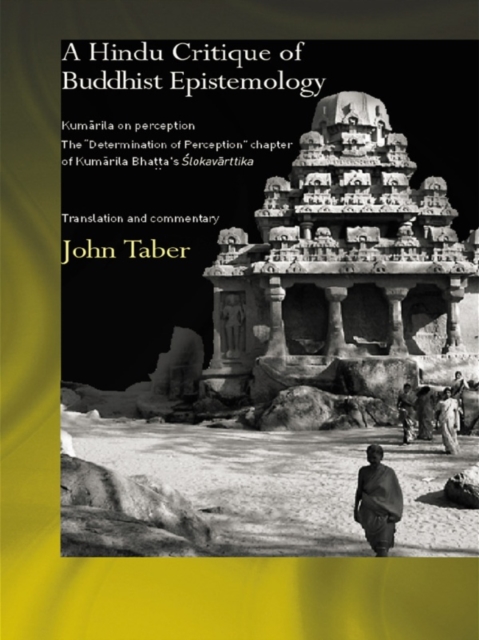
This is a translation of the chapter on perception of Kumarilabhatta's magnum opus, the Slokavarttika, one of the central texts of the Hindu response to the criticism of the logical-epistemological school of Buddhist thought.
This is a translation of the chapter on perception of Kumarilabhatta's magnum opus, the Slokavarttika, one of the central texts of the Hindu response to the criticism of the logical-epistemological school of Buddhist thought.
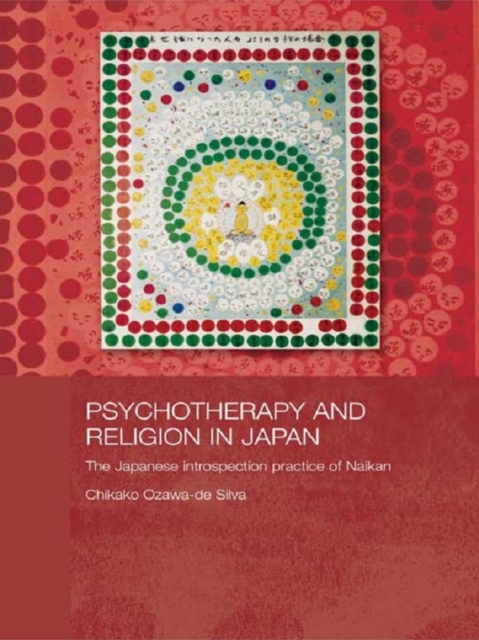
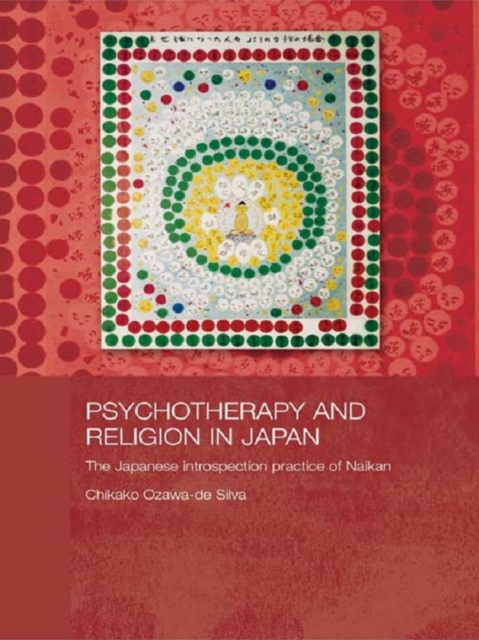
Naikan is a Japanese psychotherapeutic method which combines meditation-like body engagement with the recovery of memory and the reconstruction of one's autobiography in order to bring about healing and a changed notion of the self.
Naikan is a Japanese psychotherapeutic method which combines meditation-like body engagement with the recovery of memory and the reconstruction of one's autobiography in order to bring about healing and a changed notion of the self.
Early Buddhist Metaphysics provides a philosophical account of the major doctrinal shift in the history of early Theravada tradition in India: the transition from the earliest stratum of Buddhist thought to the systematic and allegedly scholastic philosophy of the Pali Abhidhamma movement.
Early Buddhist Metaphysics provides a philosophical account of the major doctrinal shift in the history of early Theravada tradition in India: the transition from the earliest stratum of Buddhist thought to the systematic and allegedly scholastic philosophy of the Pali Abhidhamma movement.
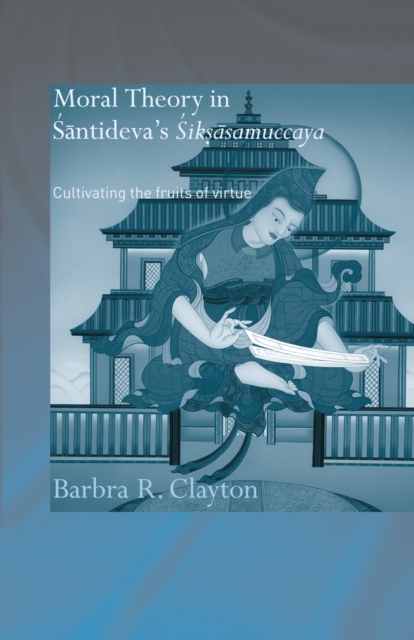
This important text analyzes the moral theory of the seventh century Indian Mahayana master, Santideva, author of the well-known religious poem, the Bodhicaryavatara (Entering the Path of Enlightenment) as well as the significant, but relatively overlooked, Siksasamuccaya (Compendium of Teachings).
This important text analyzes the moral theory of the seventh century Indian Mahayana master, Santideva, author of the well-known religious poem, the Bodhicaryavatara (Entering the Path of Enlightenment) as well as the significant, but relatively overlooked, Siksasamuccaya (Compendium of Teachings).
This is an introduction to the Buddhist philosophy of Emptiness which explores a number of themes in connection with the concept of Emptiness, a highly technical but very central notion in Indo-Tibetan Buddhism.
This is an introduction to the Buddhist philosophy of Emptiness which explores a number of themes in connection with the concept of Emptiness, a highly technical but very central notion in Indo-Tibetan Buddhism.
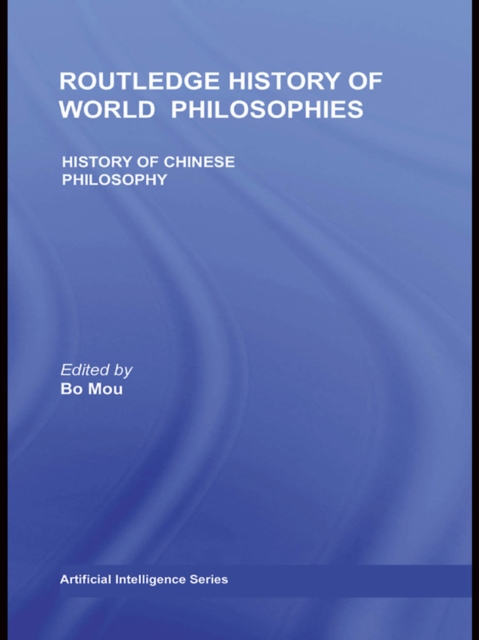
The History of Chinese Philosophy is a comprehensive and authoritative examination of the movements and thinkers that have shaped Chinese philosophy over the last three thousand years.
The History of Chinese Philosophy is a comprehensive and authoritative examination of the movements and thinkers that have shaped Chinese philosophy over the last three thousand years.
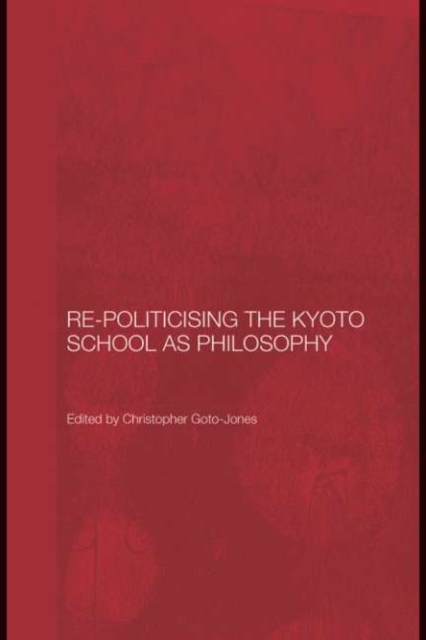
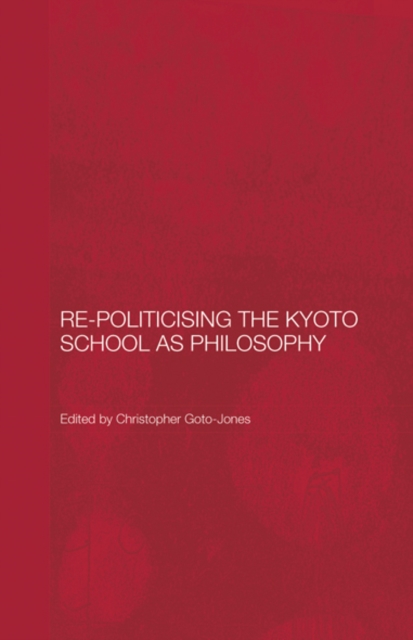
In Re-Politicising the Kyoto School as Philosophy Christopher Goto-Jones contends that existing approaches to the controversial Kyoto School fail to take it seriously as a school of philosophy, instead focussing on historical debates about the alleged complicity of the School's members with the imperialist regime in Japan.
In Re-Politicising the Kyoto School as Philosophy Christopher Goto-Jones contends that existing approaches to the controversial Kyoto School fail to take it seriously as a school of philosophy, instead focussing on historical debates about the alleged complicity of the School's members with the imperialist regime in Japan.
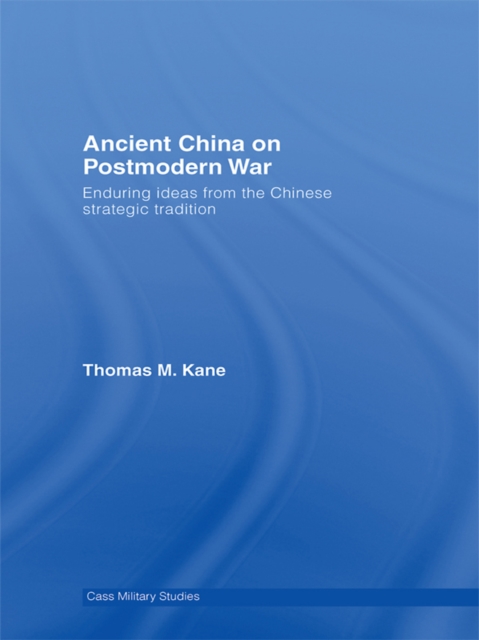
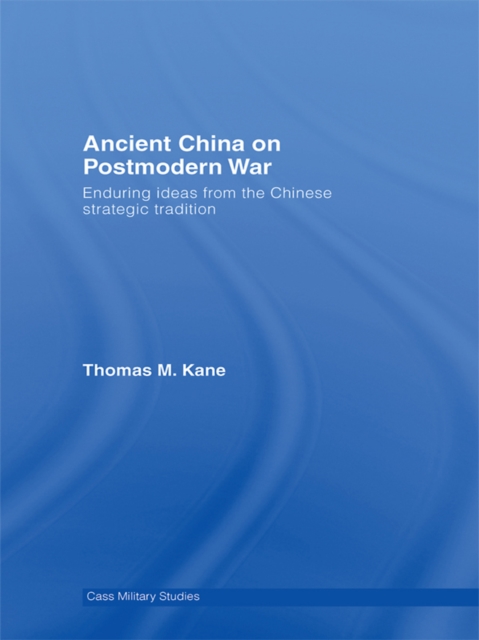
Sun Tzu and other classical Chinese strategic thinkers wrote in an era of social, economic and military revolution, and hoped to identify enduring principles of war and statecraft.
Sun Tzu and other classical Chinese strategic thinkers wrote in an era of social, economic and military revolution, and hoped to identify enduring principles of war and statecraft.
Based on extensive fieldwork and longitudinal studies, this book posits that the household registration (hukou) system is a fundamental institutional arrangement in contemporary China.