Osho sees Zen not as a historical spiritual tradition, but as the future of a humanity that has matured to the point that people no longer need religions controlled by priesthoods and based on fearful superstitions that cripple peoples innate intelligence and divide them from one another.
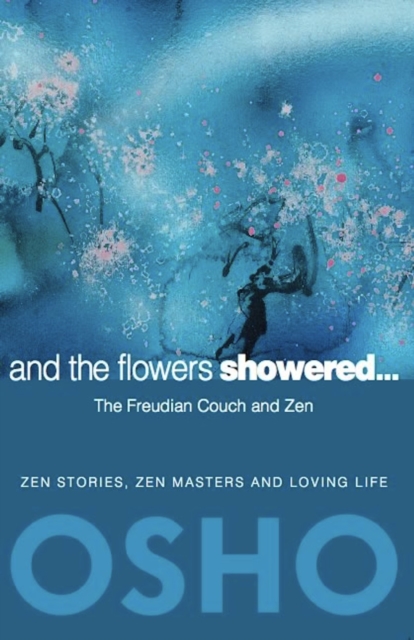
Using eleven Zen stories as a starting point and diving deep into their mysterious world, he then weaves his magical clarity on many diverse contemporary topics.
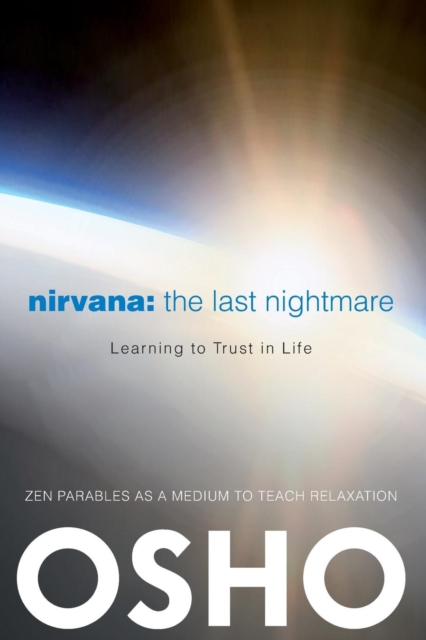
Nirvana has become an idealized word associated with the juxtaposition of a cult rock celebrity who died before his time and a vague new age version of Eastern religion.
Moving beyond the usual interpretations of this classic Chinese text that of using it as an indicator of what to do next or attempting to predict the future Osho is using the Tao Te Ching as Lao Tzu intended: to ignite the flame of individual awareness and insight.
Fed up with teenage life in the suburbs, Jaimal Yogis ran off to Hawaii with little more than a copy of Hermann Hesse's Siddhartha and enough cash for a surfboard.
In the classic bestseller, Introduction to Tantra, Lama Yeshe offered a profound and wonderfully clear glimpse into the sophisticated practices of Tibetan Buddhist tantra.
In The Gateless Gate, one of modern Zen Buddhism's uniquely influential masters offers classic commentaries on the Mumonkan, one of Zen's greatest collections of teaching stories.
Jeff Wilson started his walk on the Buddha's path as a Zen practitioner - taking up a tradition of vigorous self-effort, intensive meditation, and meticulous attention to rectitude in every action.
With characteristic humility, His Holiness the Dalai Lama begins this landmark survey of the entire Buddhist path by saying, "e;I think an overview of Tibetan Buddhism for the purpose of providing a comprehensive framework of the path may prove helpful in deepening your understanding and practice.
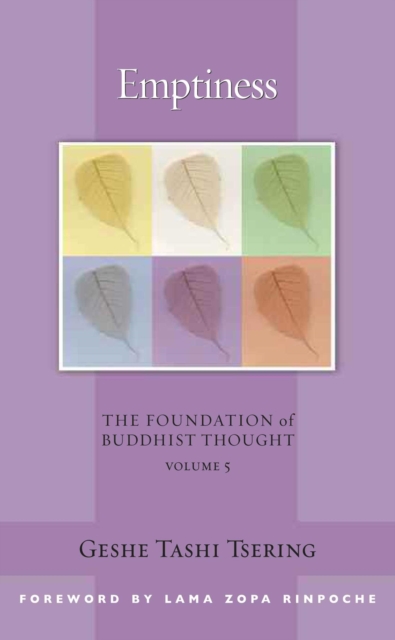
In Emptiness, the fifth volume in The Foundation of Buddhist Thought series, Geshe Tashi Tsering provides readers with an incredibly welcoming presentation of the central philosophical teaching of Mahayana Buddhism.
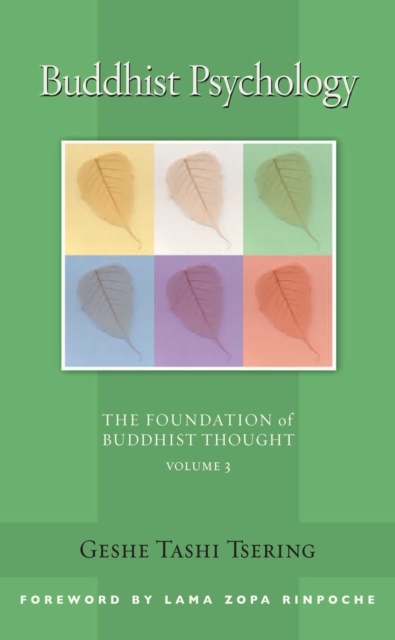
This new volume from the Foundation of Buddhist Thought series, provides a stand-alone and systematic - but accessible - entry into how Buddhism understands the mind.
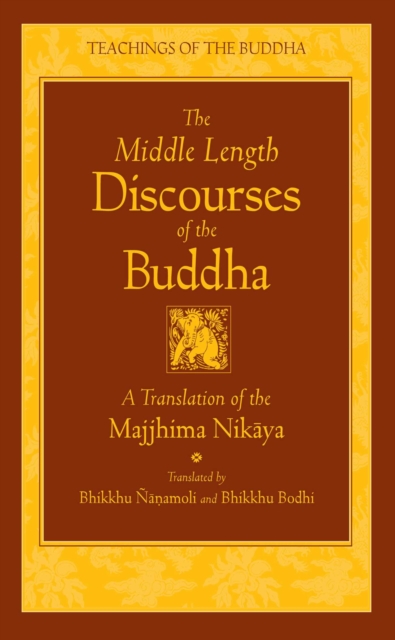
This book offers a complete translation of the Majjhima Nikaya, or Middle Length Discourses of the Buddha, one of the major collections of texts in the Pali Canon, the authorized scriptures of Theravada Buddhism.
This book offers a complete translation of the Digha Nikaya, the long discourses of the Buddha, one of the major collections of texts in the Pali Canon, the authorized scriptures of Theravada Buddhism.
Before he began training as a psychiatrist, Mark Epstein immersed himself in Buddhism through influential teachers such as Ram Dass, Joseph Goldstein, and Jack Kornfield.
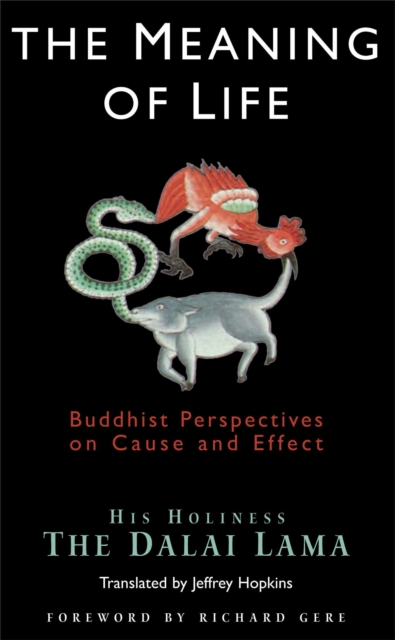
Using the traditional Buddhist allegorical image of the Wheel of Life and the teaching of the twelve links of dependent origination, the Dalai Lama deftly illustrates how our existence, though fleeting and often full of woes, brims with the potential for peace and happiness.